 English
 русский
 Español
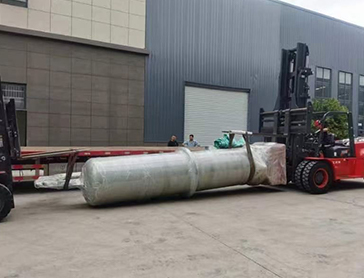
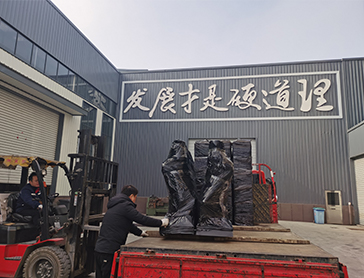
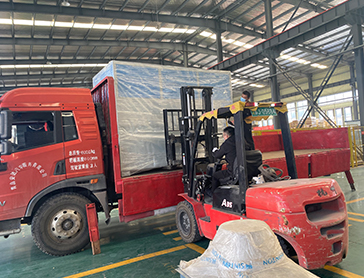
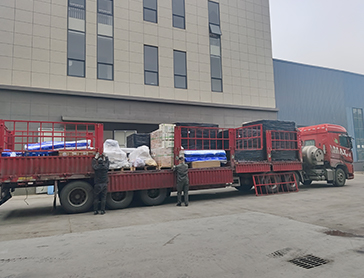
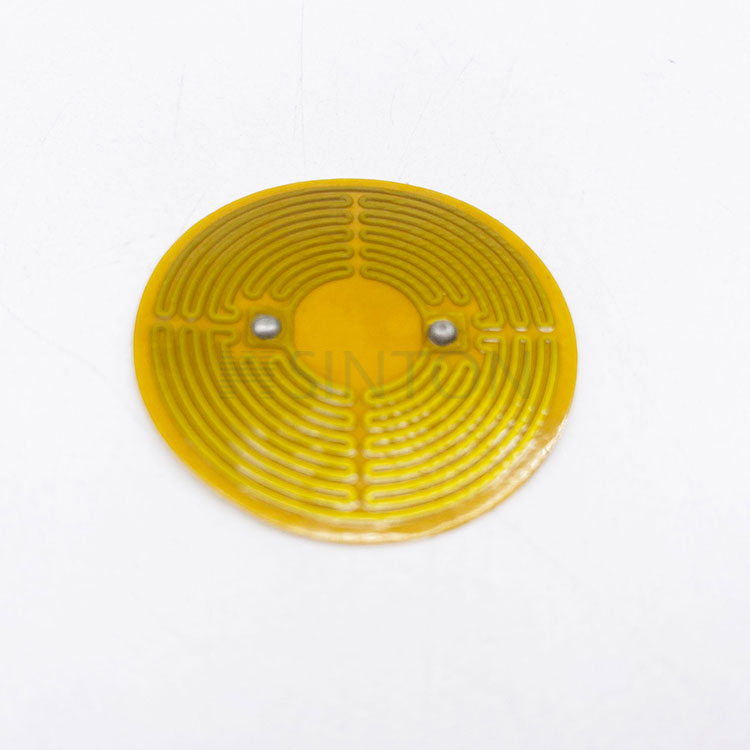
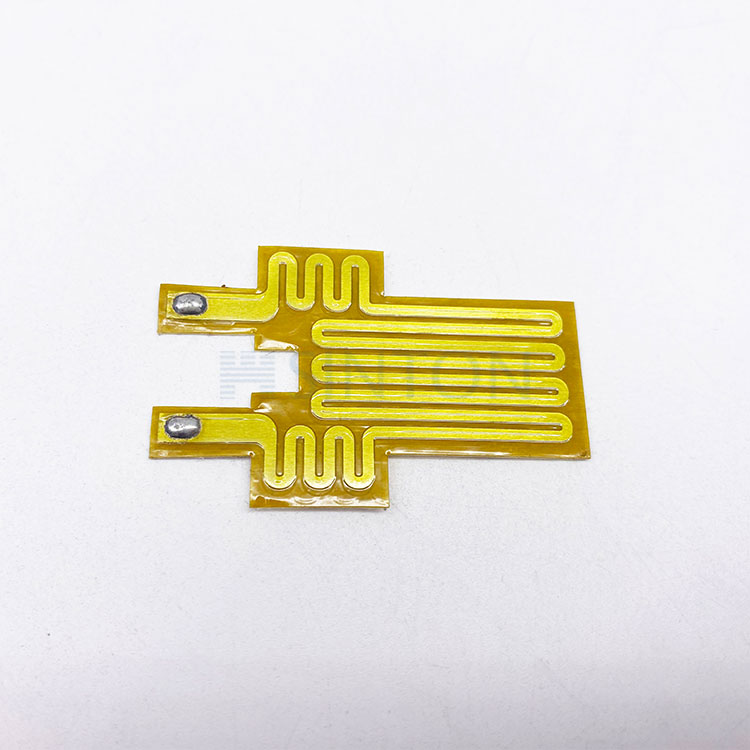
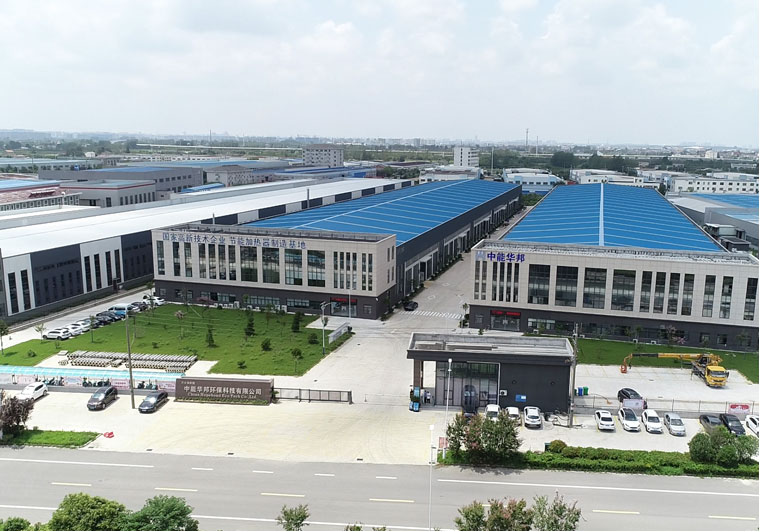
Founded in 2001, Sinton Group is a one-stop supplier specializing in industrial heating solutions, headquartered in Yancheng, Jiangsu Province, China (approximately 2 hours by high-speed rail or 1 hour by flight from Shanghai).
Operating through an integrated group structure, Sinton centers on Sinton Electric Co., Ltd. (formerly Yancheng Xingtai Electric Equipement Co.,Ltd.), and works in close coordination with Sinton Technology Limited, Jiangsu Sinton Thermal Co., Ltd., Jiangsu Sinton Energy Co., Ltd., and China Hopebond Eco Tech Co., Ltd. (formerly China Energy Huabang Environmental Protection Technology Co., Ltd.), enabling the Group to cover industrial heater R&D and manufacturing, thermal engineering, energy systems, environmental protection technologies, and global trade within a unified operational framework.
With over 20 years of experience in industrial heating equipment manufacturing and system design, Sinton Group now serves more than 60,000 clients across 120+ countries and regions, providing complete heating solution chains from preliminary engineering design and customized heater supply to installation guidance and long-term technical support.
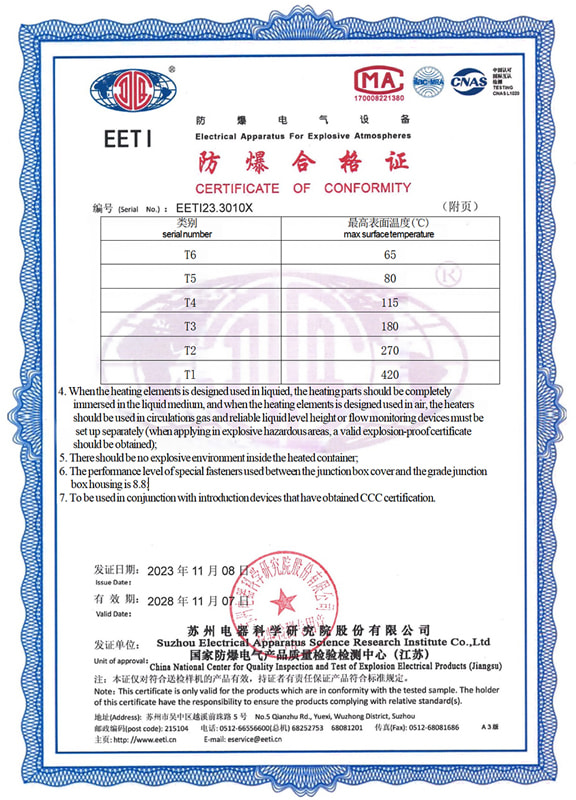
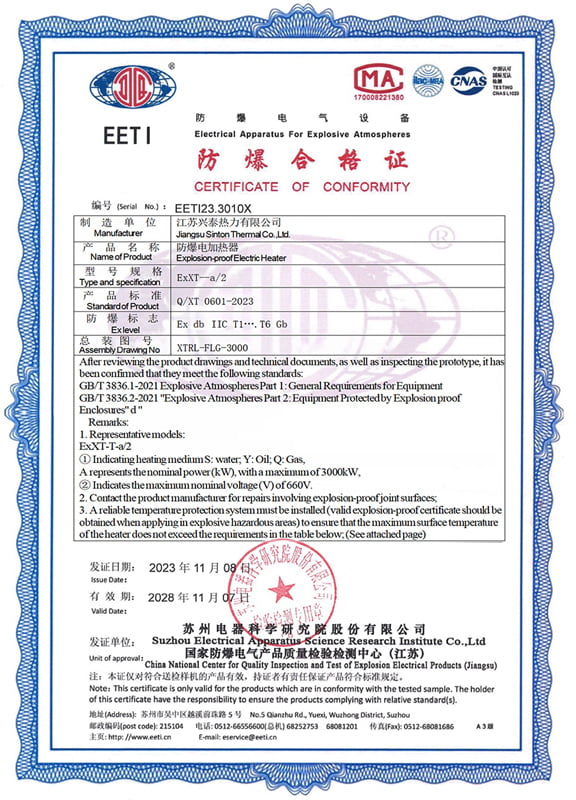
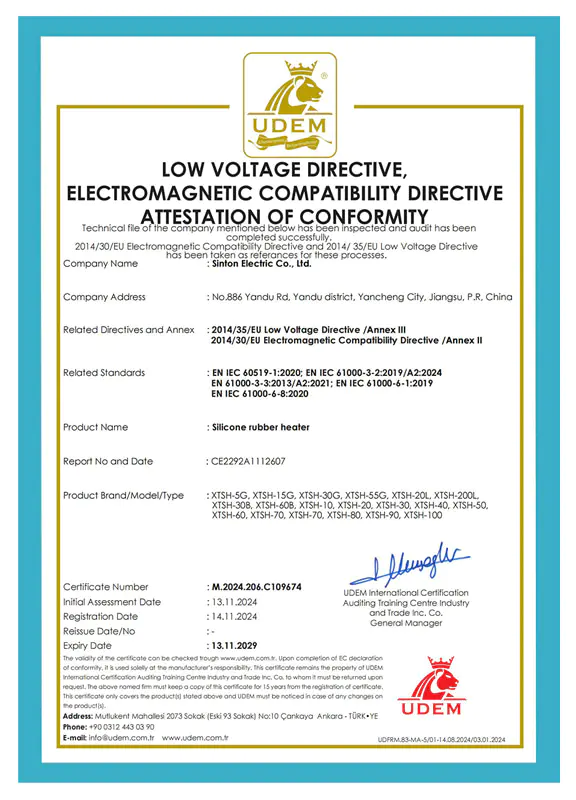
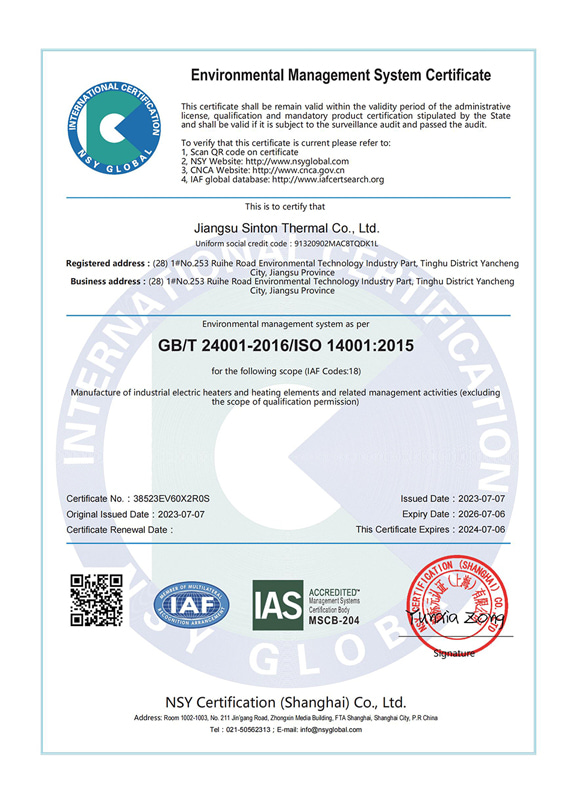
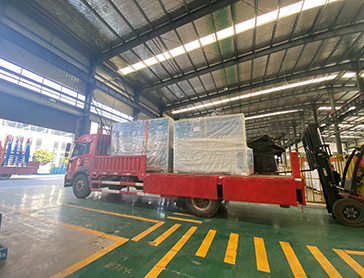
Supported by a modern industrial base of 20,000 sqm dedicated to production and R&D, together with 10,000 sqm for headquarters and logistics, Sinton holds comprehensive certifications including EAC, Ex, CE, ISO, and Pressure Vessel Design and Manufacturing Licenses, owns 200+ patented technologies, and has been recognized for innovations such as the Graphene-Nano Quartz Electric Tubular Heating Element, awarded the Provincial Innovation Gold Award, while also contributing to the formulation of Chinese industrial heater industry standards.
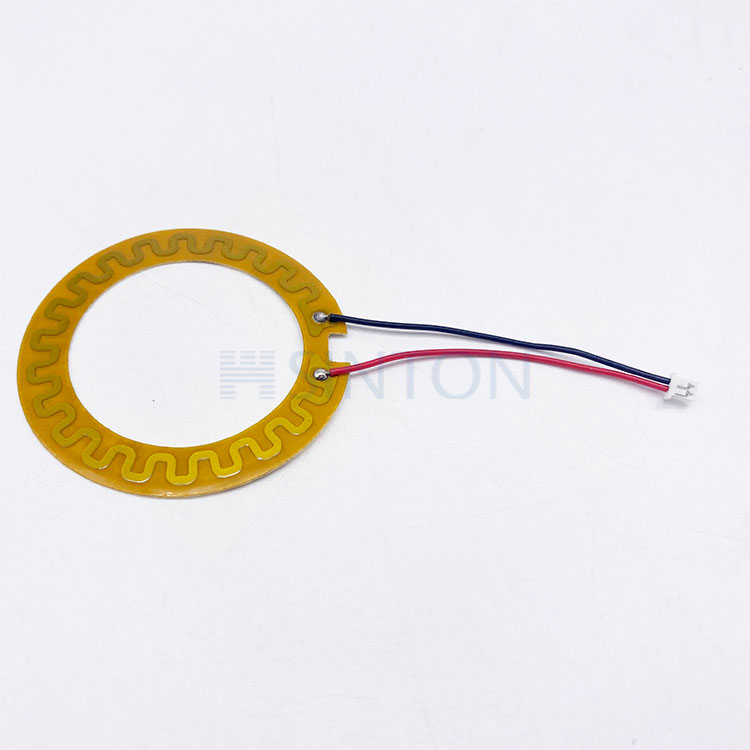
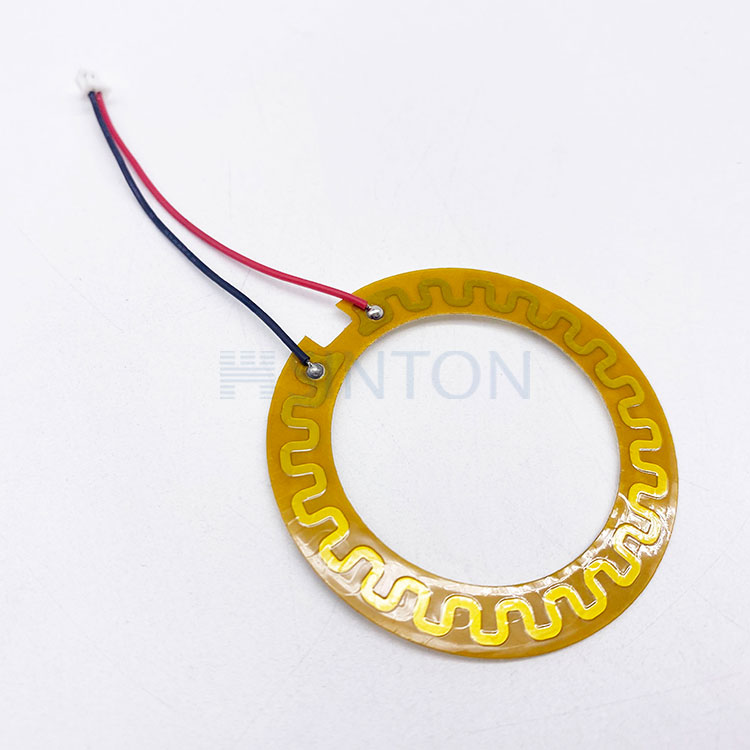
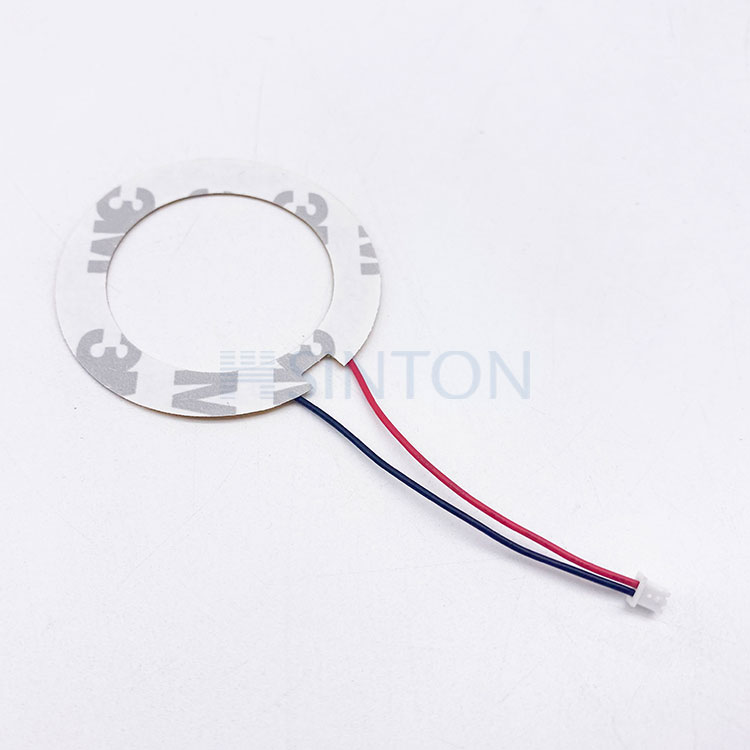
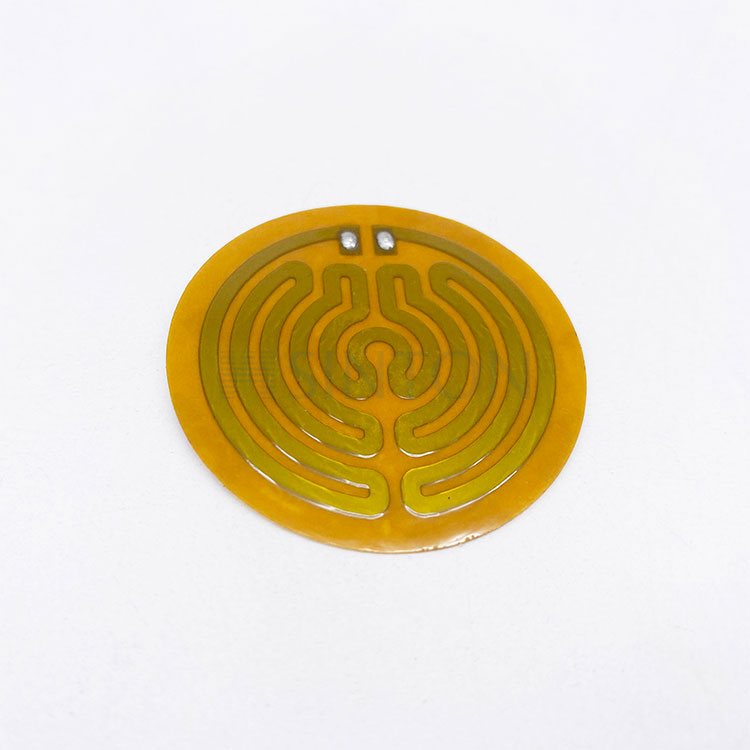
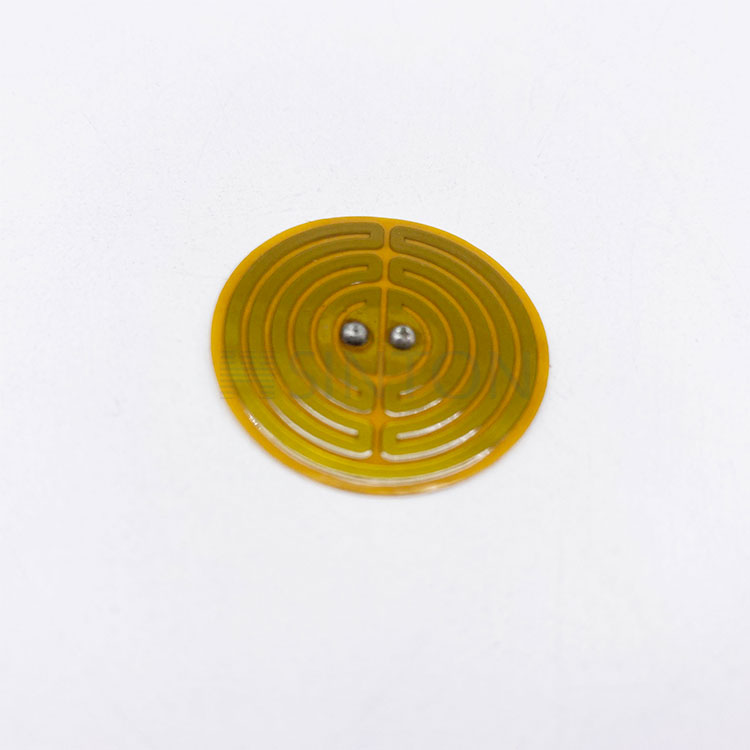
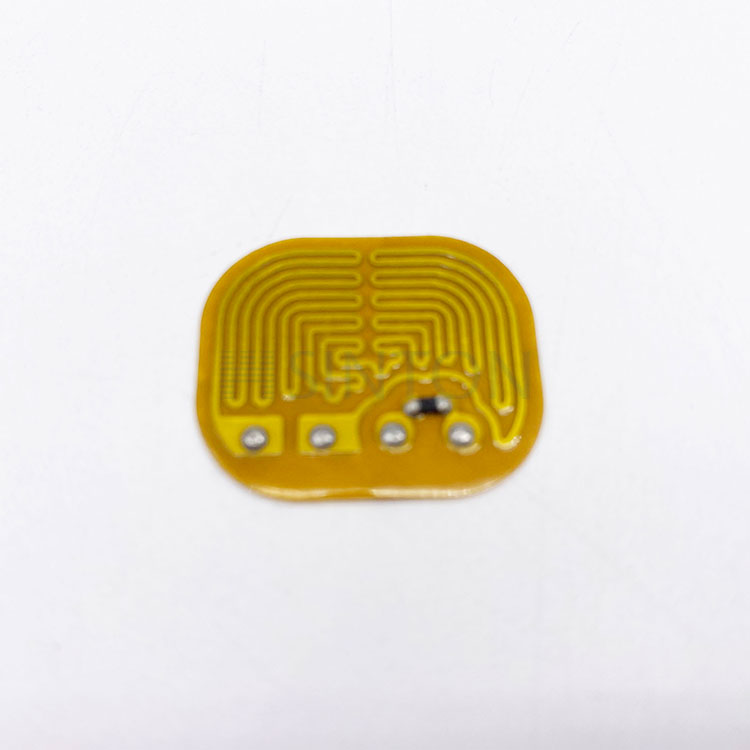
As a famous China Fast Heating Polyimide Film Heater Factory and Fast Heating Polyimide Film Heater Suppliers. Sinton’s heating solutions are widely applied in industrial equipment, petroleum and mineral processing, machinery manufacturing, dyeing and printing, tooling and mold industries, light industry and textiles, industrial consumables, plastic machinery, medical equipment and heavy industry, as well as construction engineering, precision processing, energy services, engineering construction, and industrial drying systems.
Heating Equipment
Heating elements
• Electromagnetic Heater • Drying Oven • Frame Type Air Duct Heater • Graphene Nano Quartz Heater • Cartridge Heater • Tubular Heater • Immersion Heater • Cast-in Heater • Flexible Heating Element • High temperature heating element • Temperature Sensor • Resistive Composites • Spart Parts