WhatsApp: +86-185-5601-8866
Heating Equipment
News
2026-03-03
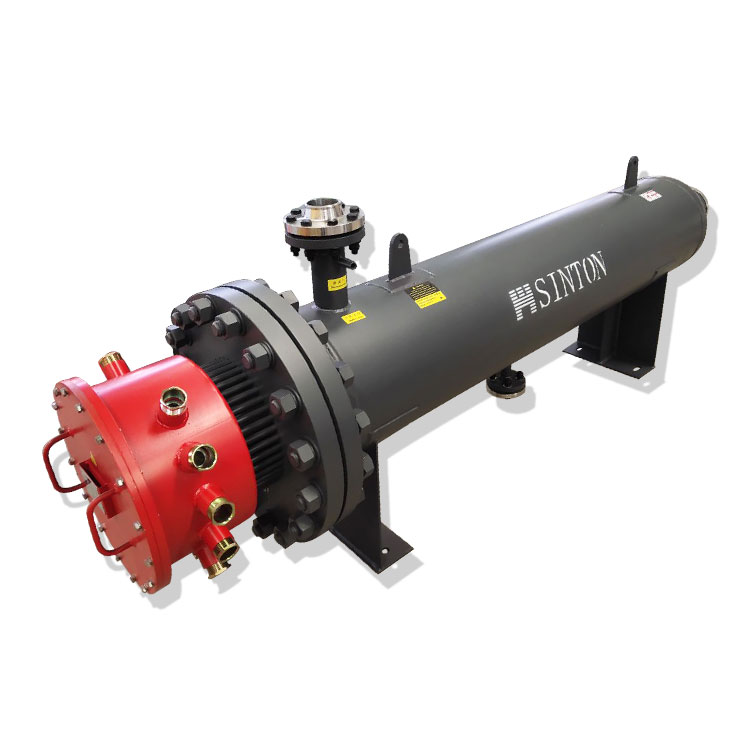
The Pipeline Heater ensures uniform heat distribution primarily through advanced design of its heating elements, precise flow control, and integrated thermal monitoring systems. By maintaining a consistent temperature along the entire length of the pipeline, it effectively prevents localized overheating and reduces thermal stress on the pipeline material.
Uniform heat is critical for pipelines carrying temperature-sensitive fluids such as crude oil, chemical products, or viscous hydrocarbons. Uneven heating can lead to blockages, accelerated corrosion, or even catastrophic failure due to thermal expansion stress.
A Pipeline Heater achieves uniform heat distribution through multiple engineering strategies:
Modern Pipeline Heaters are equipped with multiple thermal sensors placed along the pipeline. These sensors continuously measure fluid and pipe wall temperatures, feeding data into a central control system that adjusts heating intensity in real-time.
For example, if a sensor detects a temperature drop of 3°C in a 100-meter section, the control system automatically increases power in that zone while maintaining other sections at the nominal setpoint. This ensures temperature variation remains within ±1°C along the pipeline.
Some advanced controllers also include predictive algorithms that anticipate temperature fluctuations based on flow rate changes, ambient temperature, and fluid viscosity.
Flow rate directly affects the heat distribution in a Pipeline Heater. Uneven or turbulent flow can create localized hotspots or underheated areas. To counter this, heaters often include:
In pipelines transporting heavy crude oil, for instance, increasing flow by 10% can reduce the thermal gradient from 8°C to less than 2°C when combined with proper zoned heating.
Thermal insulation plays a critical role in uniform heat distribution. Without proper insulation, heat loss to the environment can create uneven temperature profiles, causing thermal stress and material fatigue.
Common insulation strategies include:
Proper insulation combined with zoned heating and real-time monitoring keeps temperature fluctuations minimal, significantly reducing pipeline expansion and contraction cycles.
Field studies indicate that a well-engineered Pipeline Heater can maintain fluid temperature variations within ±1°C over 200 meters of pipeline. In contrast, conventional single-zone heaters without flow control or zoned elements can experience fluctuations exceeding 10°C over the same distance.
| Pipeline Length (m) | Temperature Variation (°C) - Single-Zone Heater | Temperature Variation (°C) - Zoned Heater |
|---|---|---|
| 100 | 6.5 | 0.8 |
| 200 | 10.2 | 1.1 |
| 300 | 13.7 | 1.5 |
Consistent heat distribution depends on proper maintenance. Key practices include:
Pipeline Heater achieves uniform heat distribution and minimizes thermal stress through zoned heating elements, precise flow management, advanced insulation, and real-time thermal monitoring. Combined with proper maintenance, these design strategies keep temperature variations within ±1°C over long pipeline sections, enhancing safety, operational efficiency, and pipeline longevity.
By focusing on uniform heat distribution, operators can prevent hotspots, reduce mechanical stress, and ensure smooth transport of temperature-sensitive fluids. Implementing these practices also lowers energy costs, avoids emergency shutdowns, and supports compliance with industrial safety standards.
Looking For Business Opportunity?
Request for a call today
WhatsApp: +86-185-5601-8866
Tel: +86-185-5601-8866
E-mail: [email protected]
Address: Sinton Building, No. 886 Yandu Road, Yandu District, Yancheng City, Jiangsu Province
Friendly Link: www.cn-lvdao.com www.sealing-china.com
Products
Message