1. Benefits of Cast Aluminum Heaters
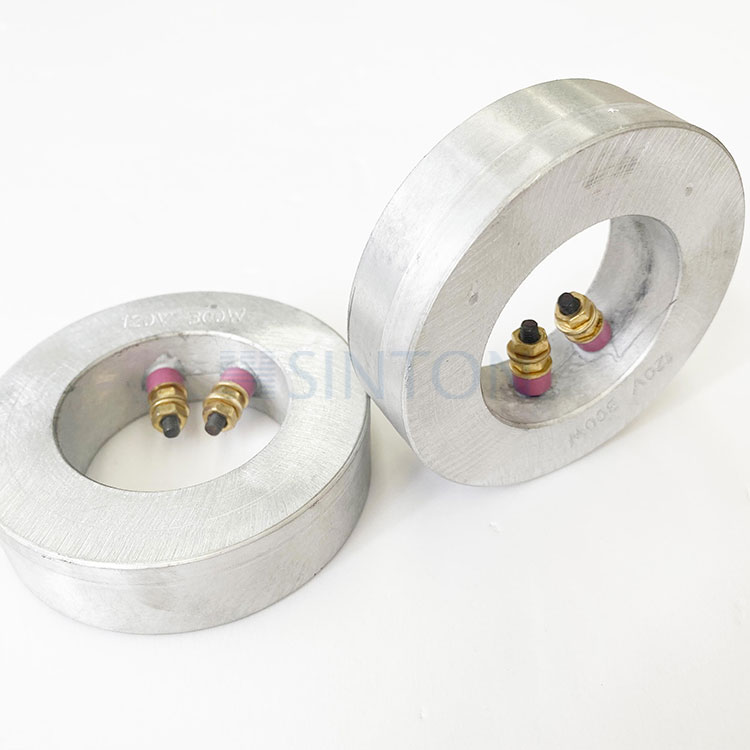
Cast aluminum heaters offer a multitude of advantages that make them a preferred choice in numerous industrial and commercial applications. These benefits stem from their superior material properties, robust construction, and versatile design options.
a)High Thermal Conductivity: One of the standout features of cast aluminum heaters is their high thermal conductivity. Aluminum, as a material, is known for its ability to conduct heat efficiently. This property ensures that heat generated by the embedded heating elements is quickly and evenly distributed across the heater's surface. This rapid and uniform heat distribution is crucial in processes requiring precise temperature control, such as in plastic molding, food processing, and semiconductor manufacturing.
b)Durability and Longevity: Cast aluminum heaters are renowned for their durability. The casting process produces a solid, single-piece construction that is highly resistant to mechanical wear and tear. This durability extends the operational life of the heater, making it a cost-effective solution over the long term. The robust nature of cast aluminum heaters means they can withstand the rigors of industrial environments, including exposure to chemicals and physical impact.
c)Corrosion Resistance: Aluminum has excellent resistance to corrosion, which is a significant advantage in environments where the heater may be exposed to moisture or corrosive substances. This corrosion resistance ensures that the heater maintains its structural integrity and efficiency over time, reducing maintenance needs and downtime. Industries such as food processing and chemical manufacturing, where equipment is often exposed to harsh conditions, particularly benefit from this property.
d)Lightweight and Easy to Handle: Compared to other materials used for heaters, aluminum is relatively lightweight. This feature facilitates easier handling and installation, especially in applications where the heater needs to be mounted or integrated into machinery. The lighter weight does not compromise the strength of the heater, making it an ideal choice for various applications where both durability and ease of handling are required.
e)High Temperature Tolerance: Cast aluminum heaters are capable of operating at high temperatures, often exceeding 400°C (752°F). This high-temperature tolerance makes them suitable for demanding applications that require sustained high heat levels, such as plastic extrusion or chemical processing. The ability to maintain performance at elevated temperatures ensures the reliability and efficiency of the heating process.
f)Energy Efficiency: Energy efficiency is a critical consideration in industrial heating applications, and cast aluminum heaters excel in this area. The efficient thermal conductivity of aluminum means that less energy is required to achieve and maintain the desired temperature. This efficiency not only reduces operational costs but also contributes to more sustainable energy usage. The quick heat-up and cool-down times further enhance energy savings by minimizing the duration for which the heater needs to be active.
g)Precision and Control: Cast aluminum heaters are often equipped with advanced control systems, including embedded sensors and thermocouples. These features allow for precise temperature monitoring and control, ensuring that the heater operates within the optimal temperature range for the specific application. This precision is crucial in processes where temperature fluctuations can affect the quality of the final product, such as in plastics manufacturing or food processing.
2. Applications in Various Industries
Cast aluminum heaters are utilized across a diverse range of industries due to their versatility, efficiency, and reliability. Each industry leverages the unique benefits of cast aluminum heaters to enhance their specific processes, ensuring optimal performance and energy efficiency.
a)Plastics Industry: In the plastics industry, precise temperature control is crucial for processes such as injection molding, extrusion, and thermoforming. Cast aluminum heaters provide the necessary consistent and even heat distribution, which is essential for melting and shaping plastic materials. They are used to heat extruder barrels, injection nozzles, and molds, ensuring that the plastic material flows smoothly and forms correctly without defects. Their high thermal conductivity and durability make them ideal for the high-demand environment of plastic manufacturing.
b)Food and Beverage Industry: Temperature control is vital in the food and beverage industry for processes like cooking, baking, drying, and sterilization. Cast aluminum heaters are employed in ovens, fryers, grills, and packaging equipment to ensure uniform heating and consistent product quality. Their corrosion resistance is particularly beneficial in this industry, as it ensures longevity even when exposed to moisture and food acids. The precise temperature control offered by these heaters helps in maintaining food safety standards and optimizing energy usage.
c)Pharmaceutical Industry: In the pharmaceutical industry, maintaining precise temperatures during production processes is critical for ensuring the efficacy and safety of medications. Cast aluminum heaters are used in equipment such as tablet presses, capsule filling machines, and sterilizers. They provide uniform heating for drying, coating, and sterilizing pharmaceutical products. The durability and reliability of cast aluminum heaters help maintain the stringent quality control standards required in this industry, ensuring that products are free from contamination and consistently meet regulatory requirements.
d)Chemical Processing Industry: Chemical processing often involves reactions that require precise and consistent heating. Cast aluminum heaters are used in reactors, distillation units, and chemical baths to provide controlled temperatures necessary for chemical reactions, separation processes, and purification. Their ability to withstand high temperatures and corrosive environments makes them suitable for handling aggressive chemicals. The even heat distribution ensures that chemical reactions proceed efficiently and safely, optimizing production yields and quality.
e)Semiconductor Manufacturing: The semiconductor industry demands extreme precision in temperature control for processes such as wafer fabrication, etching, and deposition. Cast aluminum heaters are integral in equipment used for these processes, providing stable and uniform heating. Their rapid heat-up and cool-down capabilities are crucial for maintaining the precise thermal cycles required in semiconductor manufacturing. The reliability and precision of cast aluminum heaters help in achieving the high-quality standards needed for semiconductor components.

 English
 русский
 Español
 One Major Consideration for This Application