1. The Working Principle of Flanged Immersion Heaters: Engineering Precision for Efficient Heat Transfer
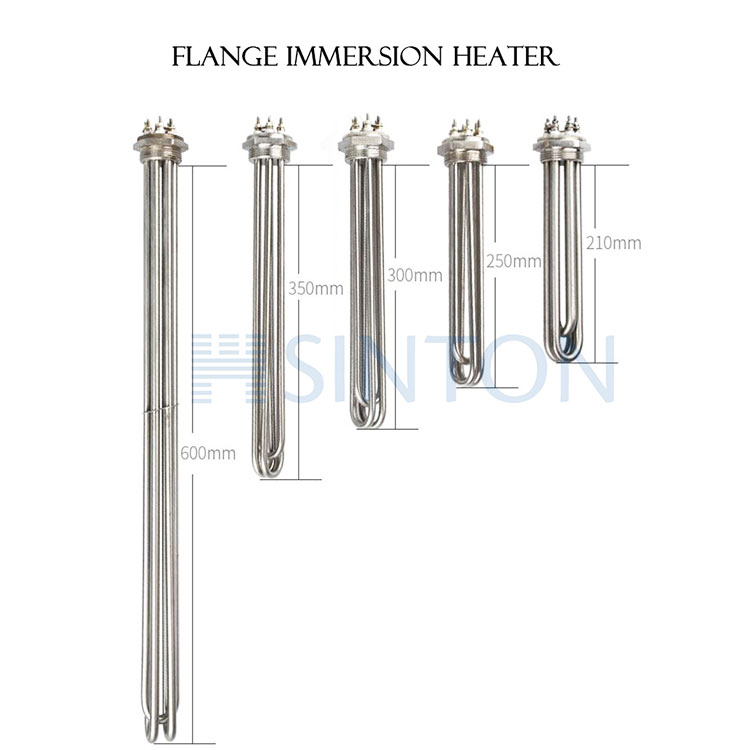
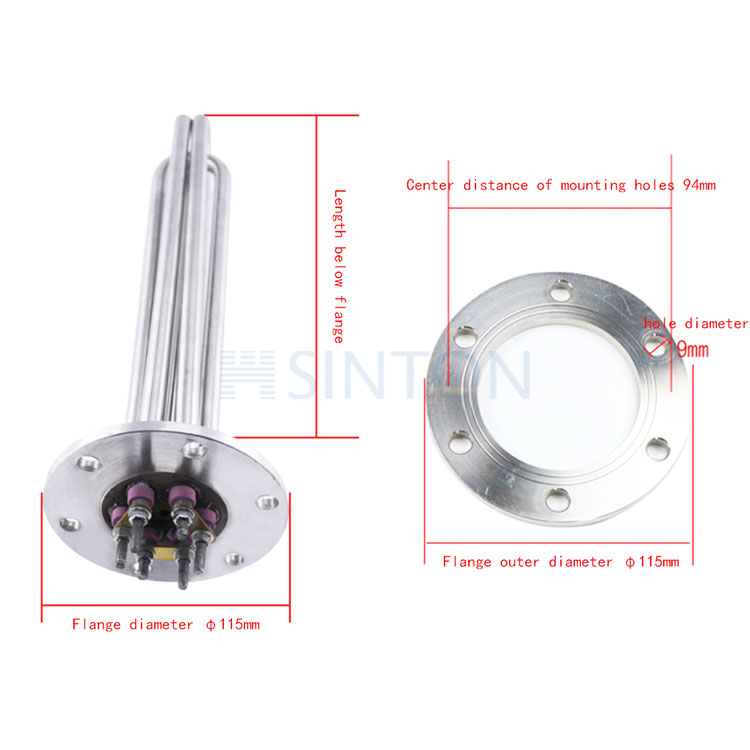
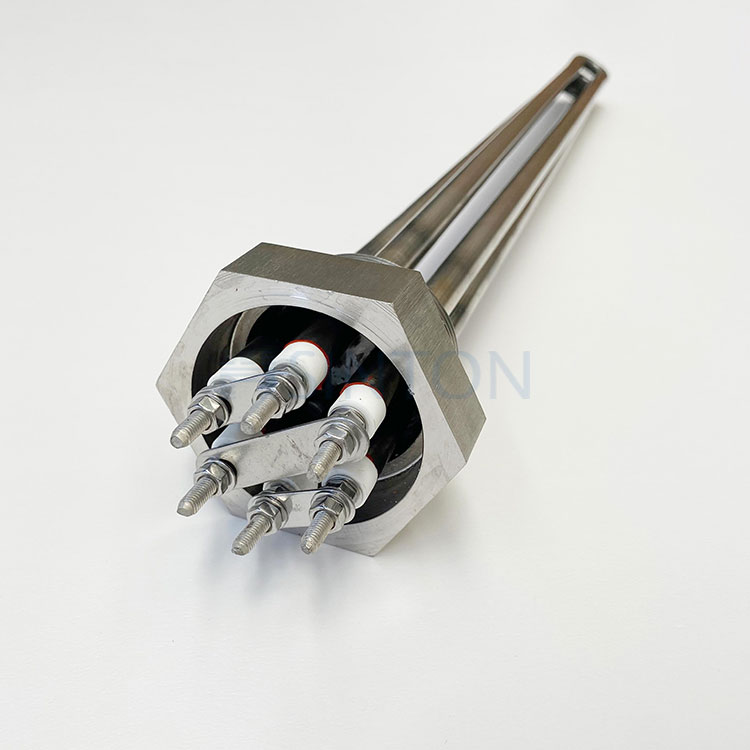
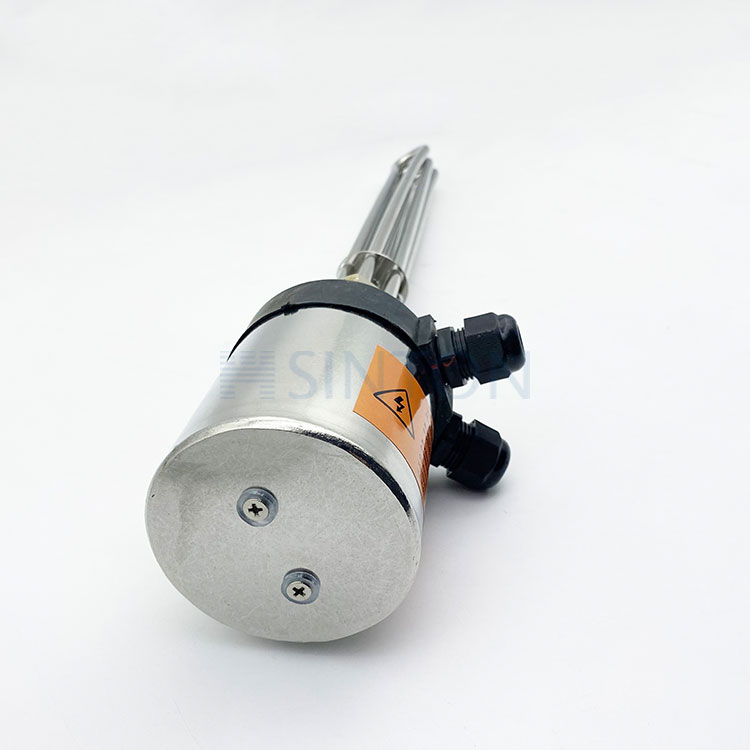
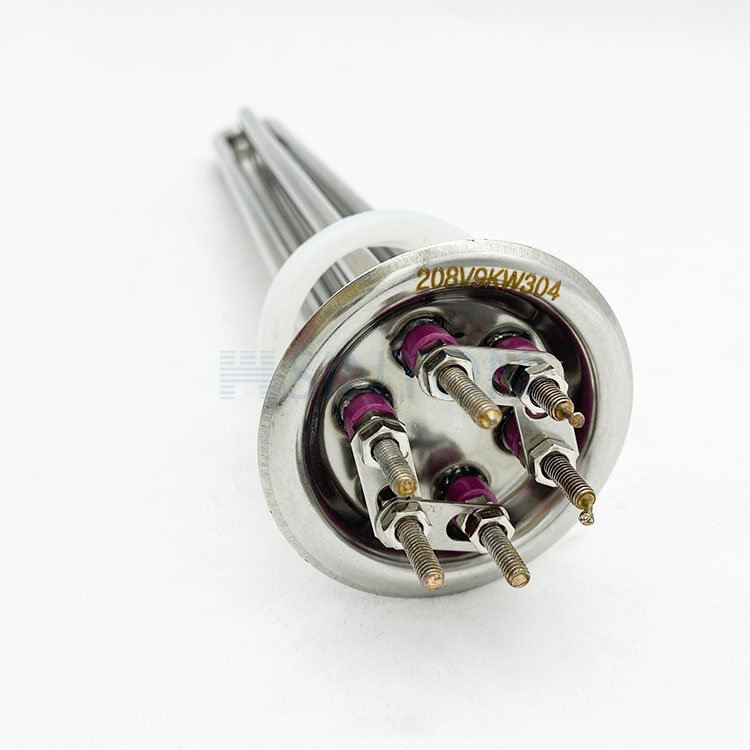
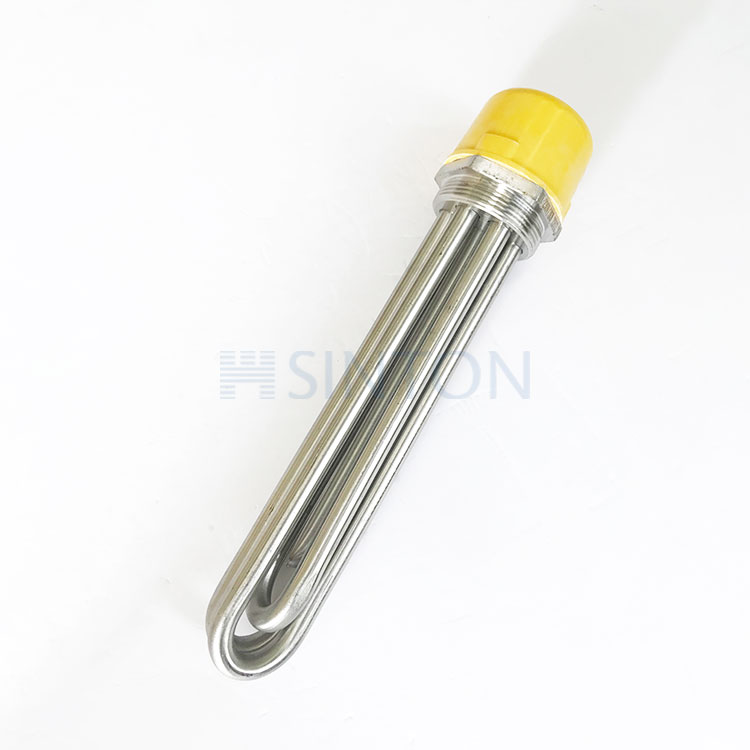
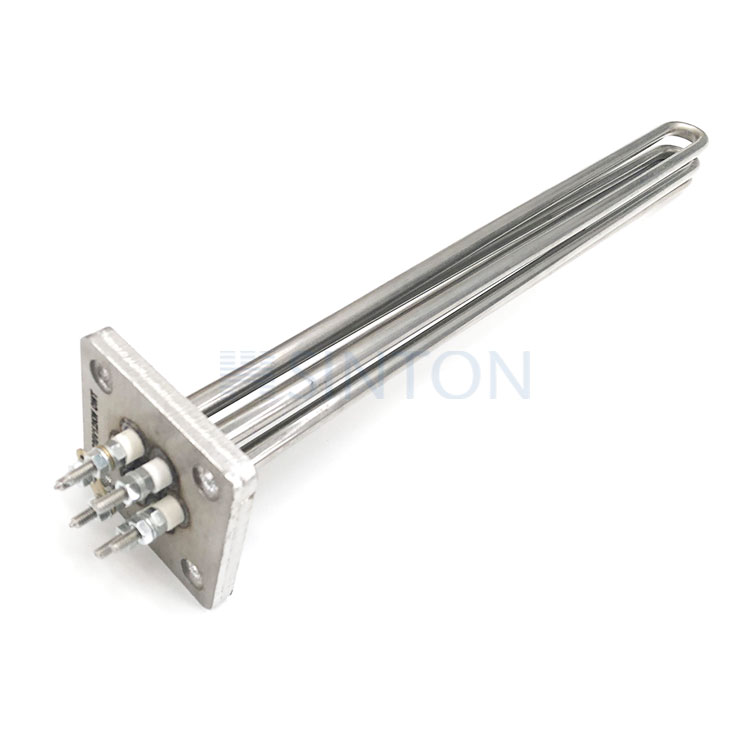
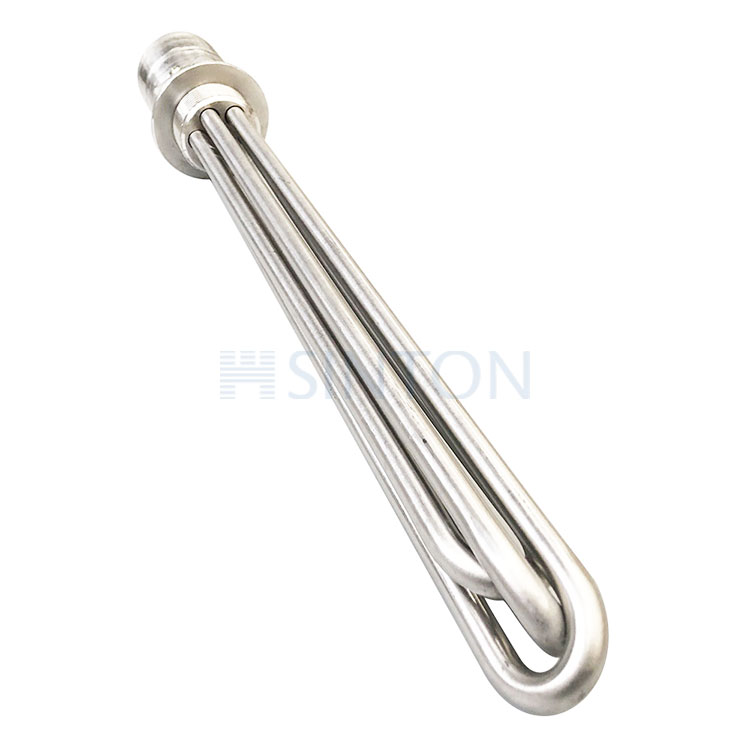
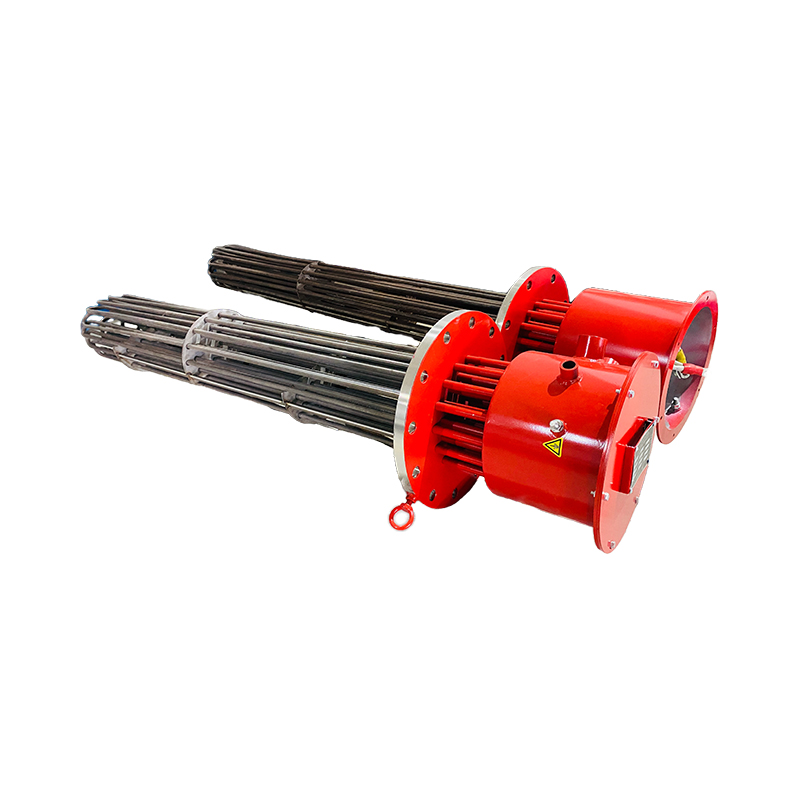
The flanged immersion heaters consist of a robust tubular heating element encased within a protective sheath, typically constructed from materials such as stainless steel or Incoloy. This heating element is designed to withstand high temperatures and corrosive environments, ensuring longevity and reliability in demanding industrial settings. The key to the effectiveness of flanged immersion heaters lies in their immersion into the substance requiring heating. Whether it's water, oil, chemicals, or other fluids, these heaters are inserted directly into the medium to be heated, ensuring efficient heat transfer with minimal energy loss. The immersion process maximizes the contact area between the heating element and the substance, allowing for rapid and uniform heating throughout the volume. Central to the operation of flanged immersion heaters is the principle of Joule heating. When an electric current passes through the heating element, resistance within the material generates heat. This heat is then transferred to the surrounding medium, raising its temperature to the desired level. By controlling the voltage and current supplied to the heater, engineers can precisely regulate the amount of heat generated, allowing for accurate temperature control within the process. The incorporation of a flanged mounting system further enhances the functionality of these heaters. The flange, typically made of durable steel, serves as a secure attachment point for the heater assembly, ensuring stability and ease of installation. The flange design allows for the efficient transfer of heat from the heating element to the surrounding medium while providing a protective barrier to prevent direct contact between the heating element and the container walls. In addition to their heating capabilities, flanged immersion heaters often feature advanced control systems to further optimize their performance. Integrated temperature sensors, thermostats, and programmable controllers enable precise temperature monitoring and regulation, ensuring that the heating process remains within specified parameters. This level of control is crucial for maintaining product quality, enhancing process efficiency, and minimizing energy consumption. The modular design of flanged immersion heaters allows for easy customization to suit specific application requirements. Engineers can choose from a variety of heating element materials, watt densities, immersion lengths, and flange sizes to tailor the heaters to the unique needs of each industrial process. This versatility ensures compatibility with a wide range of fluids, operating conditions, and environmental factors, making flanged immersion heaters a versatile and adaptable solution for diverse industrial applications.
2. Versatility Across Industries: Harnessing the Power of Flanged Immersion Heaters
Industrial flanged immersion heaters stand out for their remarkable versatility, catering to a wide array of applications across various sectors. Their adaptability and reliability make them indispensable components in diverse industrial settings, where precise temperature control is essential for operational efficiency and product quality assurance.
a)In the oil and gas industry, flanged immersion heaters play a crucial role in heating crude oil stored in tanks or pipelines. By maintaining optimal temperatures, these heaters prevent the viscosity of crude oil from increasing, ensuring smooth pumping and transportation processes. In the extraction and refining stages, flanged immersion heaters are utilized for heating various chemical solutions, facilitating separation processes and aiding in the extraction of valuable hydrocarbons.
b)Chemical processing plants heavily rely on flanged immersion heaters for a myriad of applications. From heating process fluids and maintaining reaction temperatures to facilitating evaporation and distillation processes, these heaters contribute significantly to the efficiency and reliability of chemical manufacturing operations. Their ability to withstand corrosive environments and harsh chemicals makes them an ideal heating solution for handling a wide range of chemical substances.
c)In water treatment facilities, flanged immersion heaters are employed for heating water and other liquids used in purification processes. Whether it's for sterilization, disinfection, or maintaining specific temperatures for chemical treatments, these heaters ensure that water treatment processes are carried out effectively and efficiently. They play a vital role in preventing freezing in cold climates, safeguarding critical infrastructure and equipment from damage.
d)The food and beverage industry also benefits greatly from the versatility of flanged immersion heaters. From heating ingredients during production processes to maintaining precise temperatures in storage tanks and vats, these heaters are essential for ensuring food safety and quality. Whether it's heating chocolate for confectionery production or pasteurizing milk for dairy products, flanged immersion heaters provide the necessary heat in a controlled and efficient manner.

 English
 русский
 Español
 Applications