WhatsApp: +86-185-5601-8866
Heating Equipment
News
2026-03-17
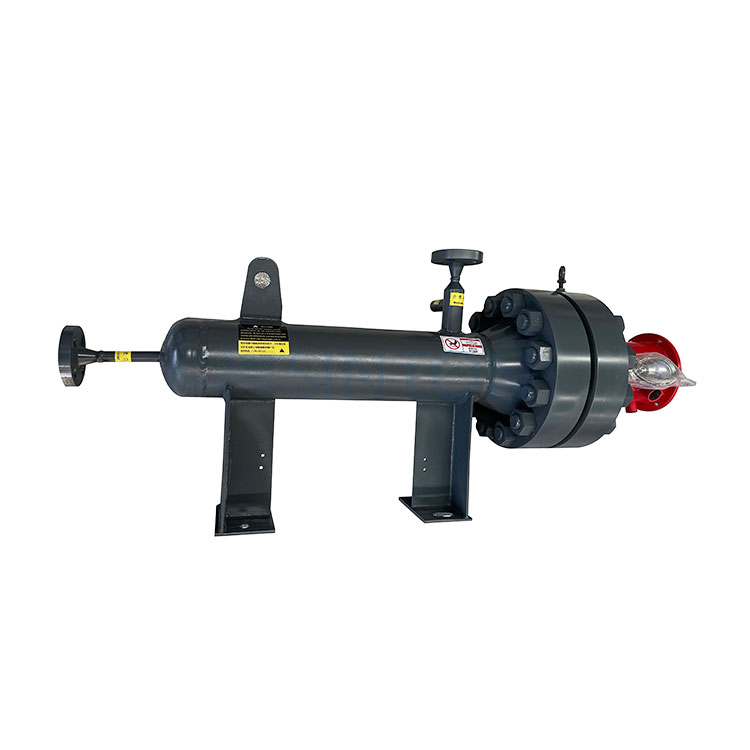
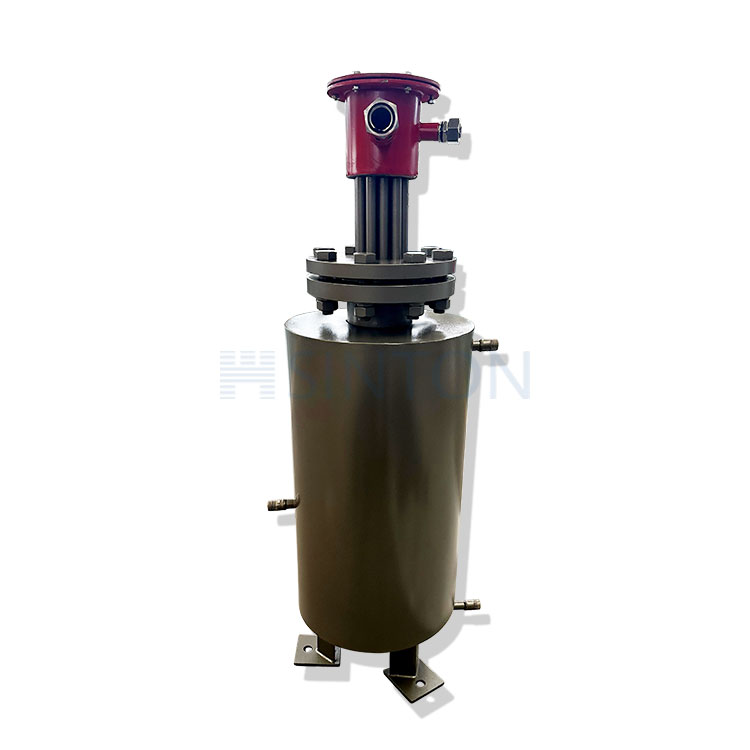
Flanged heaters offer precise temperature control, making them a vital component in many industrial heating systems. By utilizing various control mechanisms, they ensure that the heating process is consistent, safe, and energy-efficient. In essence, temperature regulation in flanged heaters is a combination of design features and control systems that work together to maintain the desired heat output, even under varying operational conditions.
Flanged heaters employ different methods for controlling and regulating temperature. The most common systems used include:
A thermostat is one of the most straightforward temperature control methods. It measures the temperature of the heater and activates or deactivates the heating element when a set threshold is reached. This on/off control mechanism is simple but effective for many applications where temperature fluctuations are minimal. However, its drawback is that it may not provide the high precision required for sensitive operations.
PID controllers are widely used in industrial heating systems, including flanged heaters, due to their ability to offer precise temperature regulation. These controllers continuously monitor temperature changes and adjust the heating power accordingly, using a combination of proportional, integral, and derivative control actions.
With PID control, flanged heaters can maintain a very stable and precise temperature, reducing energy consumption and improving process efficiency. For example, in industries like chemical processing, where precise temperature control is crucial, a PID-controlled flanged heater can significantly enhance the overall performance.
To achieve accurate temperature control, flanged heaters are often equipped with sensors such as RTDs and thermocouples. These sensors provide continuous feedback on the heater's temperature, allowing the control system to make real-time adjustments to the power output.
RTDs are known for their accuracy and stability over time, making them ideal for high-precision applications. Thermocouples, on the other hand, are often used in high-temperature environments due to their wide operating range. Together, these sensors enable the flanged heater to adjust its output as required, ensuring consistent and reliable performance.
In specialized applications, temperature control becomes even more critical. For instance, in industries such as oil and gas, pharmaceuticals, and food processing, where precise and safe heating is essential, flanged heaters may include advanced control systems such as:
These advanced features ensure that temperature regulation is not only precise but also adaptable to changing operational conditions, improving both efficiency and safety.
Effective temperature control in flanged heaters ensures a number of key benefits:
The various temperature control methods available for flanged heaters allow for highly effective and efficient heating. Whether through simple thermostats or advanced PID controllers, flanged heaters offer flexible options that meet the needs of diverse industrial applications, ensuring energy savings, safety, and optimal process performance.
Looking For Business Opportunity?
Request for a call today
WhatsApp: +86-185-5601-8866
Tel: +86-185-5601-8866
E-mail: [email protected]
Address: Sinton Building, No. 886 Yandu Road, Yandu District, Yancheng City, Jiangsu Province
Friendly Link: www.cn-lvdao.com www.sealing-china.com
Products
Message