WhatsApp: +86-185-5601-8866
Heating Equipment
News
2026-03-10
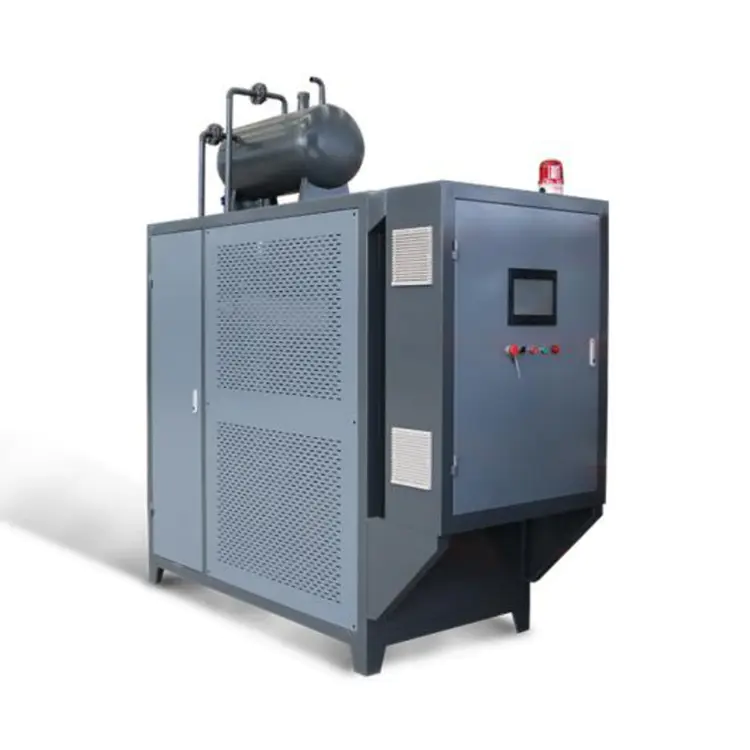
The Oil Circulation Heater is equipped with multiple diagnostic features to detect operational faults and abnormal pressure drops, including temperature sensors, pressure transducers, flow meters, and alarm systems. These components continuously monitor the system to prevent overheating, low flow conditions, and potential equipment failure, allowing operators to take timely corrective action.
Temperature control is critical for an Oil Circulation Heater. Integrated thermocouples and resistance temperature detectors (RTDs) continuously measure the oil temperature at various points in the system. When a temperature exceeds the preset limits, the system triggers alarms or automatically reduces heater output.
For example, if the oil temperature exceeds 250°C in a high-temperature application, the heater can automatically reduce power by 15-20% to prevent oil degradation or thermal stress on connected equipment. This proactive monitoring ensures operational safety and maintains system efficiency.
Pressure transducers installed in the heater circuit allow real-time tracking of oil pressure. Abnormal drops can indicate pump malfunction, blockage, or oil leakage. When such events occur, the system immediately alerts operators through visual or audible alarms.
A typical diagnostic setup triggers a warning if pressure falls below 0.8 bar in systems designed to operate at 1.5–2 bar. Operators can then inspect the oil pump or clean filters before more severe issues arise.
Flow meters provide crucial information on the rate of oil circulation. Reduced flow often correlates with blocked pipelines, air entrainment, or pump degradation. Many Oil Circulation Heaters feature electromagnetic or turbine flow meters that send real-time data to the control panel.
For instance, in a heater designed for a flow rate of 50 L/min, a drop below 40 L/min can trigger a maintenance alert. This feature allows preventive maintenance and avoids extended downtime caused by under-heating or equipment stress.
Alarm systems play a central role in the diagnostic capabilities of an Oil Circulation Heater. They provide audible and visual alerts when any monitored parameter deviates from safe operating ranges. Modern systems often include remote notifications via SCADA or IoT integration, allowing operators to respond even when they are off-site.
Common alarm triggers include:
These automated alerts significantly reduce the risk of system damage or operational hazards.
Many modern Oil Circulation Heaters include integrated software platforms that log operational data for analysis. This software can generate trend graphs, predictive maintenance alerts, and fault reports. By analyzing historical temperature, pressure, and flow data, operators can identify patterns leading to equipment stress or failure.
For example, a trend showing gradually increasing pressure fluctuations over a month could indicate the need for pump servicing or oil replacement before a critical failure occurs. This predictive approach reduces unplanned downtime by up to 30% in industrial applications.
While electronic diagnostics are highly effective, manual inspection remains essential. Operators should periodically check:
Combining electronic monitoring with manual inspections ensures comprehensive fault detection and optimal performance of the Oil Circulation Heater.
Diagnostic data can be effectively visualized using tables and graphs. Below is an example of a summary table that operators can use to quickly identify abnormal conditions:
| Parameter | Normal Range | Current Reading | Status |
|---|---|---|---|
| Oil Temperature | 180–250°C | 245°C | Normal |
| System Pressure | 1.2–2 bar | 0.95 bar | Alert |
| Flow Rate | 45–55 L/min | 42 L/min | Warning |
Such tables allow maintenance teams to prioritize interventions and focus on components showing abnormal behavior, reducing the likelihood of unplanned downtime.
The diagnostic features of an Oil Circulation Heater—including temperature sensors, pressure transducers, flow meters, alarm systems, and integrated software—provide a comprehensive monitoring framework for fault detection and abnormal pressure drops. Combined with manual inspections, these tools ensure high reliability, operational efficiency, and prolonged equipment life. Implementing these diagnostic strategies is essential for modern industrial operations that demand safety, efficiency, and minimal downtime.
Looking For Business Opportunity?
Request for a call today
WhatsApp: +86-185-5601-8866
Tel: +86-185-5601-8866
E-mail: [email protected]
Address: Sinton Building, No. 886 Yandu Road, Yandu District, Yancheng City, Jiangsu Province
Friendly Link: www.cn-lvdao.com www.sealing-china.com
Products
Message