WhatsApp: +86-185-5601-8866
Heating Equipment
News
2026-04-22
When comparing heat distribution efficiency, a bottom-entry immersion heater generally outperforms an over-the-side immersion heater in most industrial heating applications. The bottom-entry design allows heat to rise naturally through the entire fluid column via convection, while the over-the-side immersion heater heats from the tank wall inward, which can create uneven thermal zones — especially in large or deep tanks. That said, the over-the-side immersion heater offers significant practical advantages in situations where tank modification is not feasible.
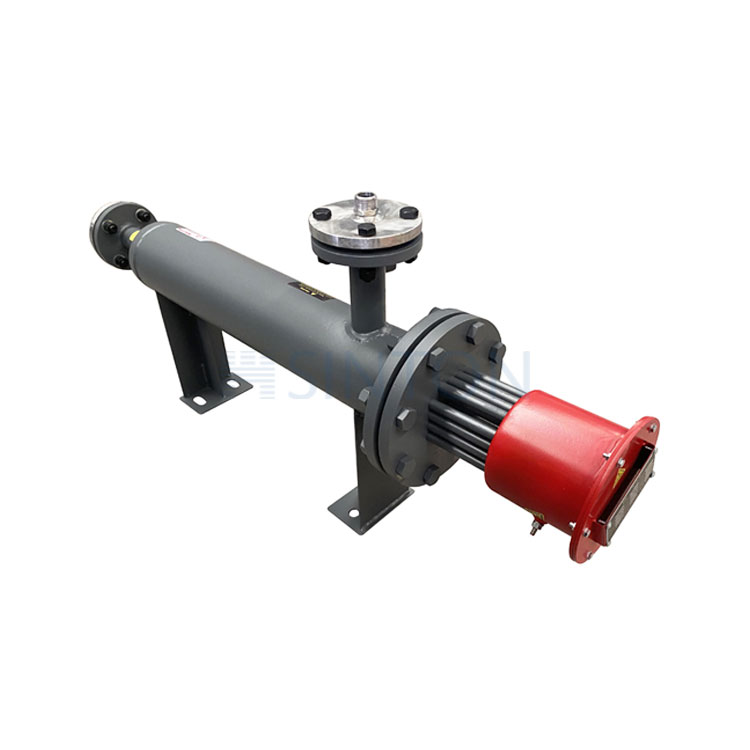
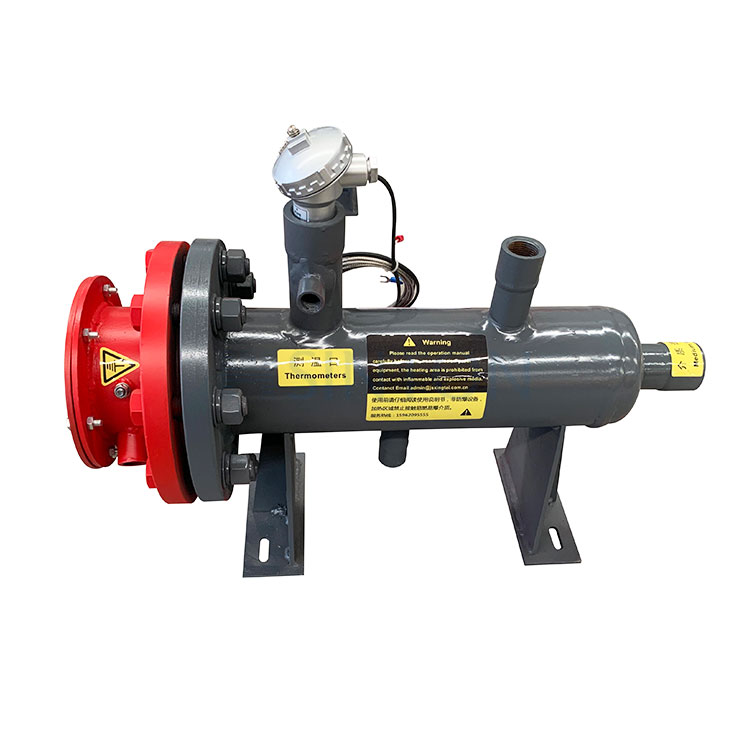
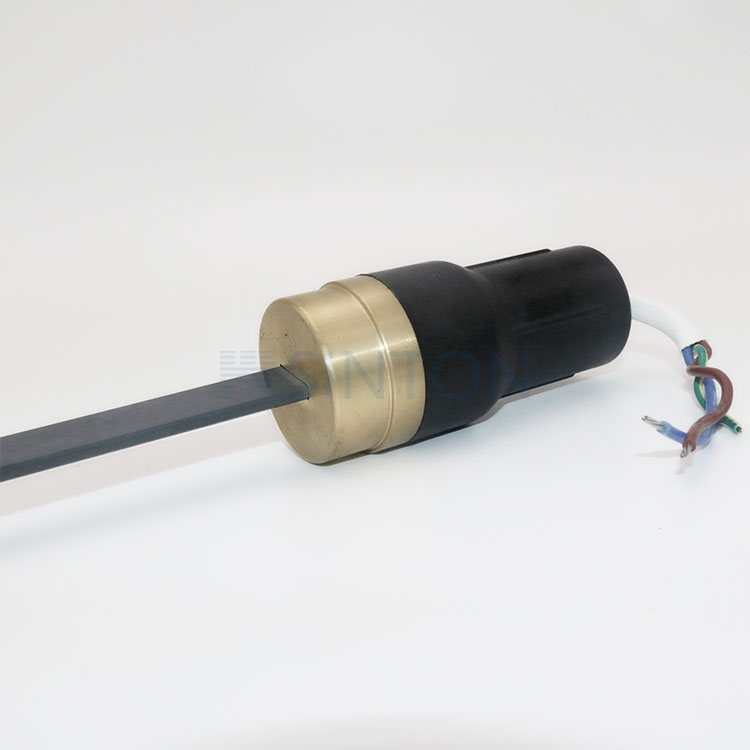
A bottom-entry immersion heater is installed through a fitting or flange located at the base or lower side wall of a tank. The heating elements are submerged near the bottom of the fluid, allowing heat to distribute upward through natural convection. This positioning means the entire fluid volume is engaged in the thermal cycle from the moment heating begins.
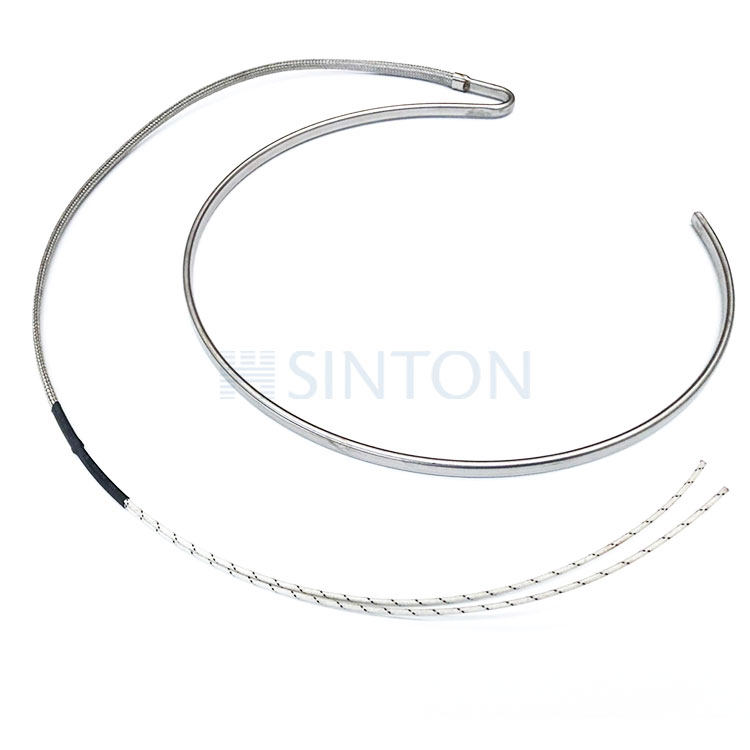
An over-the-side immersion heater is designed to hang over the top edge of an open tank, with the heating element extending down into the fluid. It requires no tank modification — no holes, no fittings, no flanges. The element typically rests along the interior wall or at a specific depth, and heating begins from that zone outward.
Heat distribution efficiency depends on several factors: element placement, fluid dynamics, tank geometry, and the thermal properties of the liquid being heated. Here is how both immersion heater types compare across these factors:
| Factor | Bottom-Entry Immersion Heater | Over-the-Side Immersion Heater |
|---|---|---|
| Convection Pattern | Full vertical convection column | Localized side-wall convection |
| Thermal Uniformity | High — even temperature throughout | Moderate — cooler zones possible |
| Heat-Up Time | Faster for full tank volume | Slower for deep or large tanks |
| Installation Complexity | Requires tank modification | No tank modification needed |
| Maintenance Access | Requires draining or isolation | Easy — simply lift out |
| Best Tank Type | Closed, permanent tanks | Open-top, portable, or temporary tanks |
In fluid heating, natural convection is the primary mechanism for distributing heat without mechanical agitation. Hot fluid rises, cool fluid descends, and a continuous circulation loop forms. A bottom-entry immersion heater takes full advantage of this physics — by heating from the lowest point, it initiates a strong convection column that spans the entire tank depth.
An over-the-side immersion heater, by contrast, introduces heat from the side wall and at a depth determined by the element length — typically not reaching the very bottom of the tank. In a tank that is 1,000 mm deep, for example, if the over-the-side immersion heater element only extends 600 mm below the fluid surface, the bottom 400 mm of fluid may remain significantly cooler. In viscous fluids such as heavy oils or waxes, this stratification can be severe, with temperature differentials of 15°C to 30°C between the top and bottom of the tank.
Thermal uniformity directly affects energy consumption. When a thermostat sensor reads a localized hot zone — which is common with an over-the-side immersion heater positioned near the surface — the heater may shut off before the bulk of the fluid has reached the target temperature. This leads to:
In contrast, a properly installed bottom-entry immersion heater with a correctly positioned thermostat can achieve uniform fluid temperatures within ±2°C to ±5°C across the tank volume, reducing energy waste and improving process reliability.
Despite lower inherent heat distribution efficiency in large tanks, the over-the-side immersion heater is the preferred solution in several real-world scenarios:
Watt density — the amount of power output per unit of element surface area (measured in W/cm²) — plays a critical role in both heater types. For an over-the-side immersion heater, because heat is concentrated in a smaller zone of the tank, lower watt densities (1.5 to 3.0 W/cm²) are strongly recommended to prevent local overheating, fluid degradation, or element burnout.
A bottom-entry immersion heater, with its broader fluid contact and better convection, can tolerate slightly higher watt densities — typically 2.0 to 4.0 W/cm² for water-based fluids — without sacrificing element longevity or fluid quality. For heat-sensitive fluids such as edible oils or electroplating solutions, both types should use low watt density elements regardless of entry position.
If an over-the-side immersion heater is the only viable option, the following measures can significantly improve its heat distribution efficiency:
The decision between an over-the-side immersion heater and a bottom-entry immersion heater should be driven by your specific application requirements, not just by heat distribution efficiency alone. Consider the following decision factors:
Ultimately, both immersion heater configurations have earned their place in industrial and commercial heating. Understanding the thermal behavior of each allows engineers and procurement teams to make informed decisions that balance efficiency, cost, and operational flexibility.
Looking For Business Opportunity?
Request for a call today
WhatsApp: +86-185-5601-8866
Tel: +86-185-5601-8866
E-mail: [email protected]
Address: Sinton Building, No. 886 Yandu Road, Yandu District, Yancheng City, Jiangsu Province
Friendly Link: www.cn-lvdao.com www.sealing-china.com
Products
Message