WhatsApp: +86-185-5601-8866
Heating Equipment
News
2026-05-13
When it comes to industrial tank heating, flanged heaters offer superior installation flexibility, easier maintenance access, and more precise watt density control compared to standard immersion heaters. However, immersion heaters can edge ahead in certain low-pressure or open-tank applications where upfront cost and simplicity matter more than long-term serviceability. The right choice depends on fluid type, operating pressure, tank geometry, and maintenance requirements.
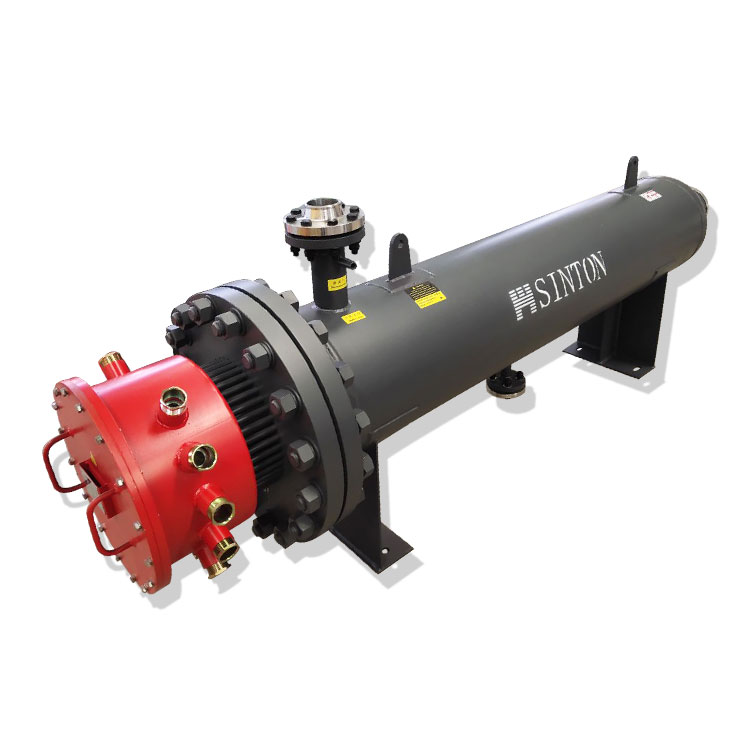
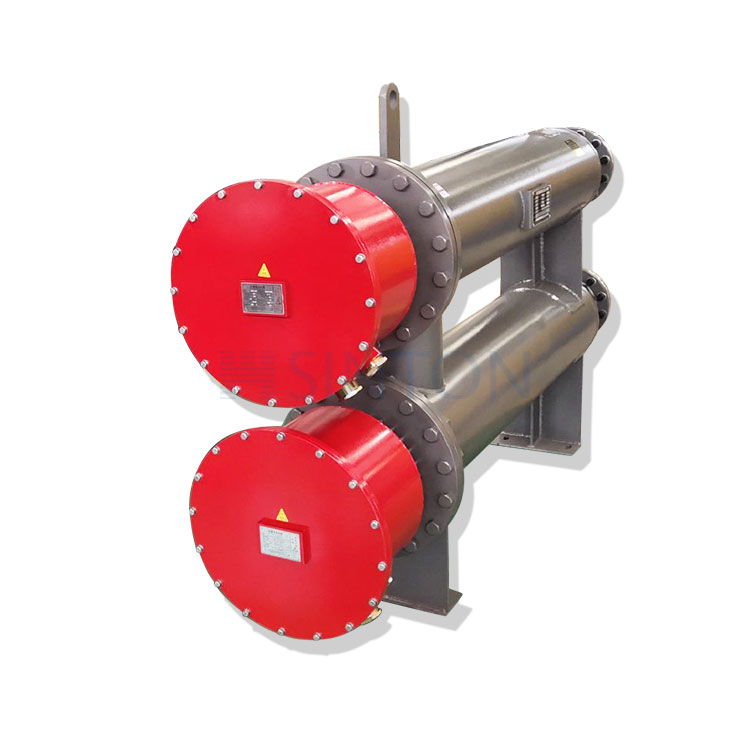
A flanged heater is an electric resistance heater mounted on a flange — typically an ANSI/ASME Class 150, 300, or 600 rated flange — that is welded or bolted directly to the side or bottom of a pressurized vessel or tank. The flange creates a sealed, removable interface, allowing the entire heating element bundle to be pulled out for inspection or replacement without draining the tank or cutting into pipework.
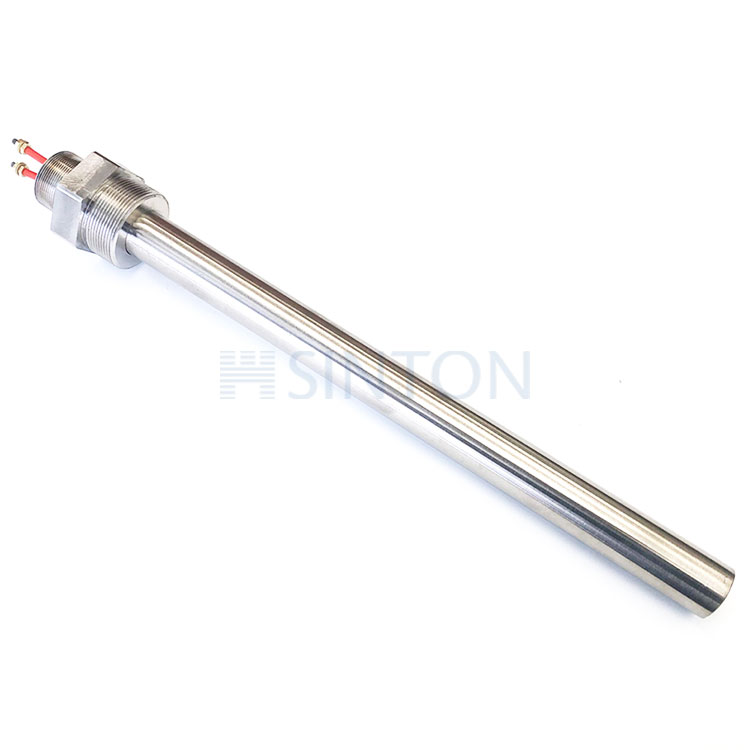
An immersion heater, by contrast, is a broader category that includes any heater where the elements are submerged directly in the fluid. This includes over-the-side immersion heaters, screwplug immersion heaters, and flanged immersion heaters — meaning a flanged heater is technically a subtype of immersion heater. In common industrial usage, however, the term "immersion heater" typically refers to screwplug or over-the-side configurations, while "flanged heater" refers to the flange-mounted variant engineered for higher-pressure, high-capacity installations.
The key structural distinction lies in the mounting: flanged heaters bolt to a mating flange on the vessel wall, while screwplug immersion heaters thread into a NPT fitting, and over-the-side types hang over the tank rim. This difference in mounting directly influences heat transfer efficiency, maintenance workflow, and suitability for different fluids and pressures.
Both flanged and screwplug immersion heaters operate by direct conduction from the element sheath to the surrounding fluid — a method that is inherently more efficient than indirect heating through a vessel wall. The question of efficiency therefore comes down to how well each design maximizes the contact between the heating elements and the target fluid.
Flanged heaters accommodate multiple tubular heaters — sometimes referred to as tubular heaters within the assembly — bundled together on a single flange plate. A standard 4-inch flanged heater can house 3 to 12 individual elements, while a 6-inch flange may carry up to 18 or more, depending on element diameter and layout. This means total heated surface area can be dramatically increased without requiring multiple penetrations in the tank wall.
By distributing the same wattage across a larger surface area, flanged heaters achieve lower watt densities — typically 10 to 40 W/in² for standard applications, compared to screwplug immersion heaters which are often limited to 35 to 70 W/in² due to their compact element count. Lower watt density reduces surface temperatures and significantly lowers the risk of localized fluid overheating, which is critical for heat-sensitive materials like oils, food-grade liquids, or chemical solutions that degrade under excessive heat.
In practical industrial settings, both flanged and immersion heaters achieve thermal efficiencies of 95% to 99%, since nearly all electrical energy converts to heat directly in the fluid. However, flanged heaters tend to sustain these efficiencies better over time because their element bundles can be de-scaled, inspected, and replaced individually — maintaining peak conductance. A fouled screwplug element, by contrast, often requires full thread removal and tank interruption, meaning fouling is tolerated longer and efficiency degrades silently.
| Feature | Flanged Heater | Screwplug Immersion Heater | Over-the-Side Immersion Heater |
|---|---|---|---|
| Typical Watt Density | 10–40 W/in² | 35–70 W/in² | 15–50 W/in² |
| Max Operating Pressure | Up to 600+ PSI (ANSI rated) | Up to ~150 PSI | Open tank only (0 PSI) |
| Thermal Efficiency | 95–99% (sustained) | 95–99% (degrades with fouling) | 90–98% |
| Element Capacity per Unit | 3–18+ elements | 1–3 elements | 1–6 elements |
| Power Range | 3 kW – 1,000+ kW | 0.5 kW – 27 kW | 1 kW – 36 kW |
| Maintenance Access | High (bolted removal) | Moderate (thread removal) | Very High (lift out) |
| Installation Cost | Higher (welded flange nozzle) | Lower (threaded fitting) | Lowest (no tank modification) |
There are several application scenarios where a flanged heater is unambiguously the better choice:
Despite the technical advantages of flanged configurations, screwplug and over-the-side immersion heaters remain the right call in several contexts:
Both flanged heaters and immersion heaters are available with a range of sheath materials, and the selection has a direct impact on thermal conductivity, corrosion resistance, and service life. Common sheath options include:
The flanged heater's advantage here is that its larger element bundle means you can specify a premium sheath material across more total surface area while still maintaining a lower watt density — reducing thermal stress on both the sheath and the fluid simultaneously.
Both flanged and standard immersion heaters can be equipped with integral thermostats, thermocouple wells, or RTD sensors for closed-loop temperature control. However, flanged heaters more readily accommodate built-in control panel housings with PID controllers, contactors, and safety cutouts — all mounted on the terminal housing attached directly to the flange.
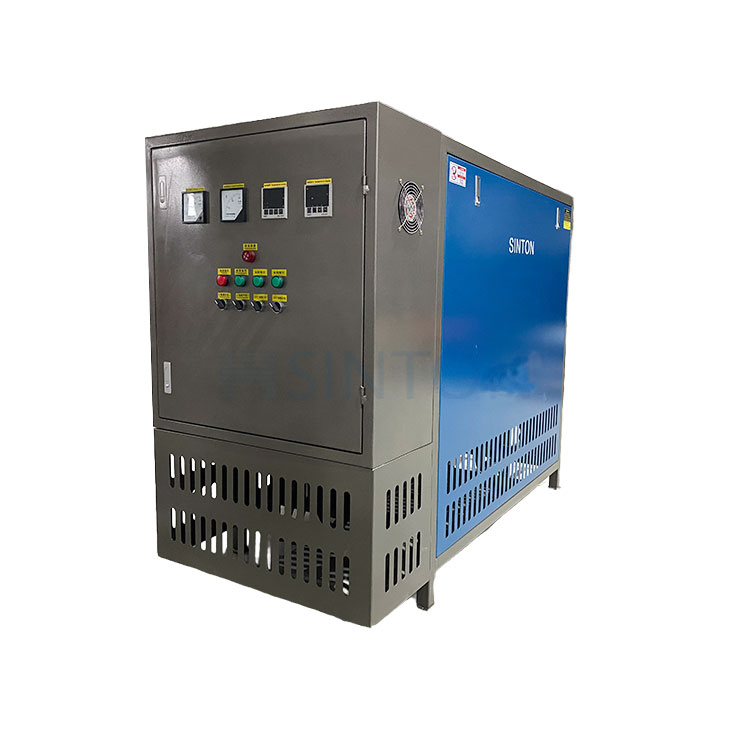
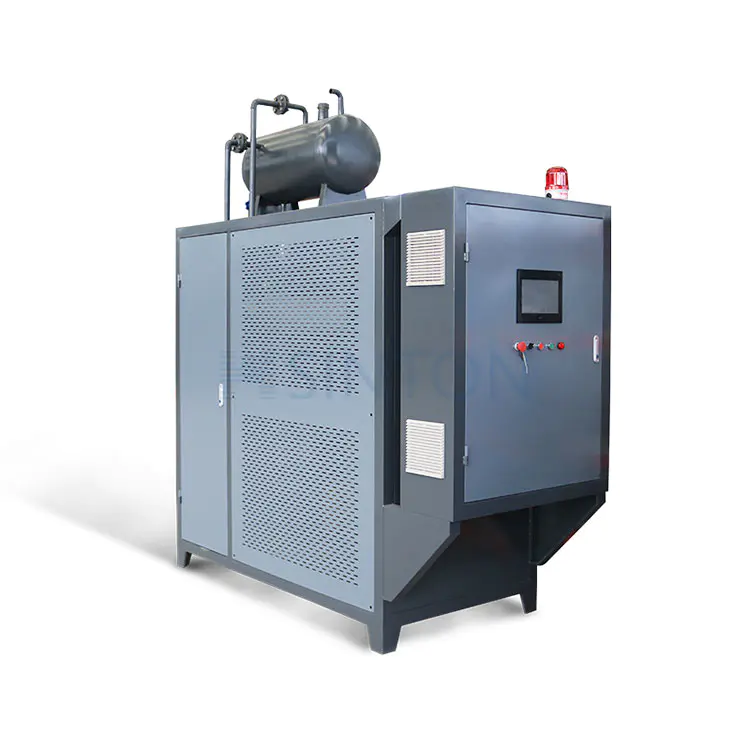
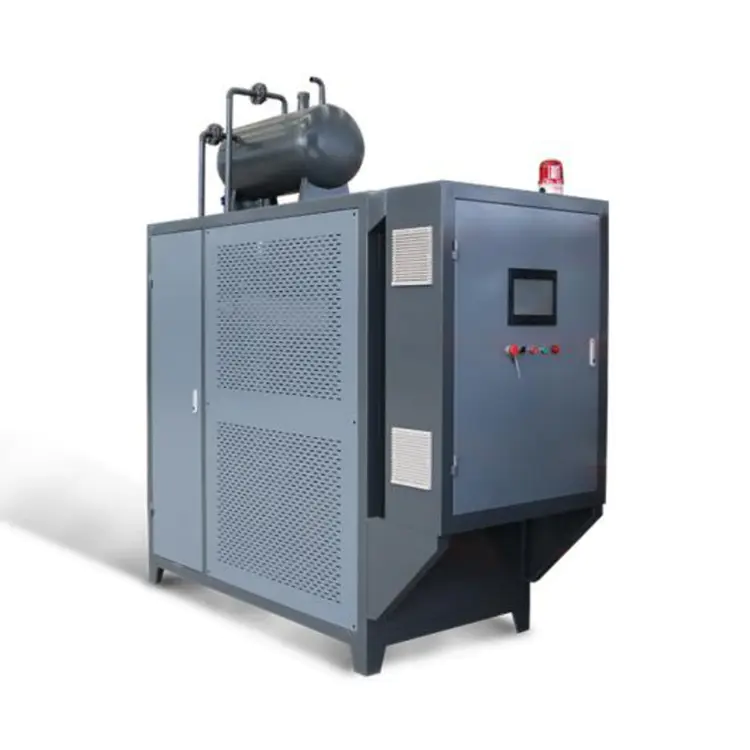
In high-capacity installations — such as those using an electric oil circulation heater to pre-condition hydraulic oil in an industrial press or maintain pipeline viscosity — a flanged heater assembly integrated with a PID temperature controller can achieve process temperature tolerances of ±1°C to ±2°C, compared to ±5°C or more from simple on/off thermostat-controlled screwplug heaters. This precision matters significantly in chemical processes, food production, and pharmaceutical manufacturing where thermal uniformity directly affects product quality.
Use the following decision criteria to guide your selection:
Both flanged heaters and immersion heaters are highly efficient electric heating solutions that deliver direct, reliable heat transfer in industrial tank applications. The flanged heater earns its premium through scalability, pressure rating, watt density control, and maintenance access — advantages that compound in value as application demands increase. For demanding, high-capacity, or pressure-rated industrial processes, the flanged heater is the more capable and ultimately more economical long-term choice.
Looking For Business Opportunity?
Request for a call today
WhatsApp: +86-185-5601-8866
Tel: +86-185-5601-8866
E-mail: [email protected]
Address: Sinton Building, No. 886 Yandu Road, Yandu District, Yancheng City, Jiangsu Province
Friendly Link: www.cn-lvdao.com www.sealing-china.com
Products
Message