WhatsApp: +86-185-5601-8866
Heating Equipment
News
2026-05-09
SINTON GROUP | Industrial Electric Heating Solutions
Propylene glycol (PG) solution is widely adopted across industrial temperature control systems owing to its outstanding antifreeze performance, stable thermophysical properties, low volatility, and favorable safety profile. As a single-phase heat transfer fluid, it is routinely specified in HVAC systems, chemical process engineering, grid-scale energy storage, closed-loop cooling circuits, and food-grade or pharmaceutical manufacturing environments.
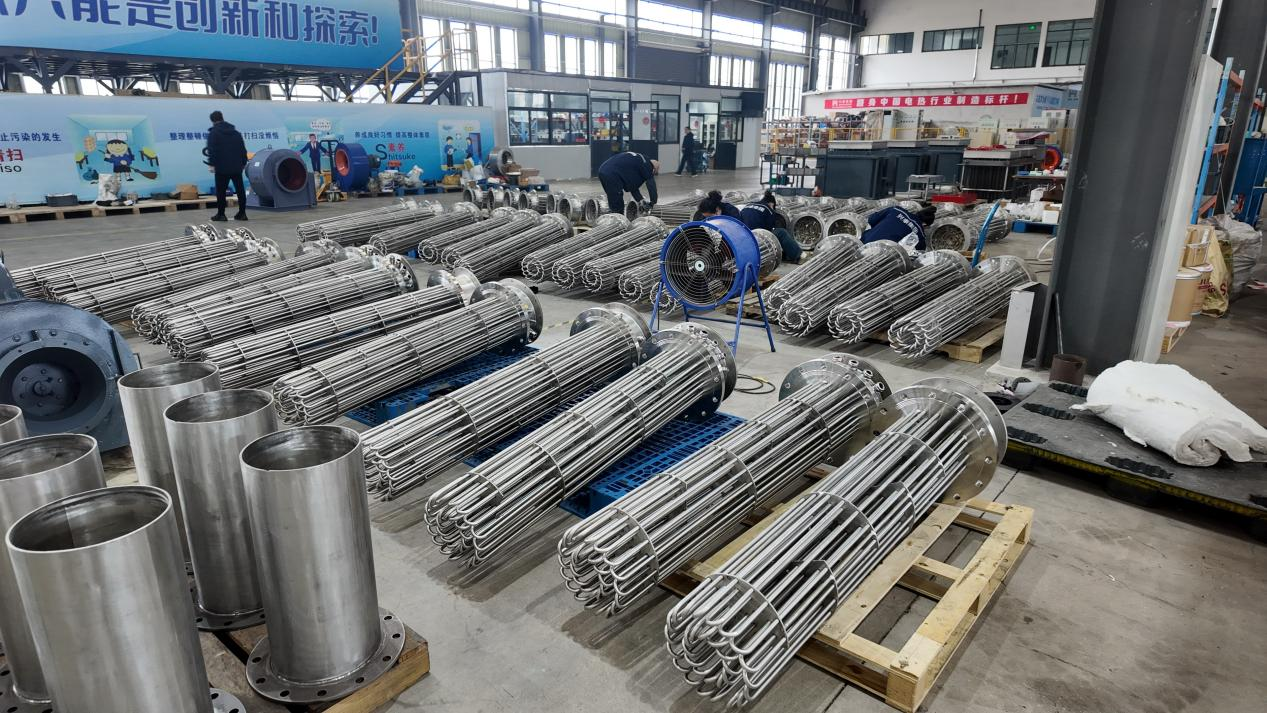
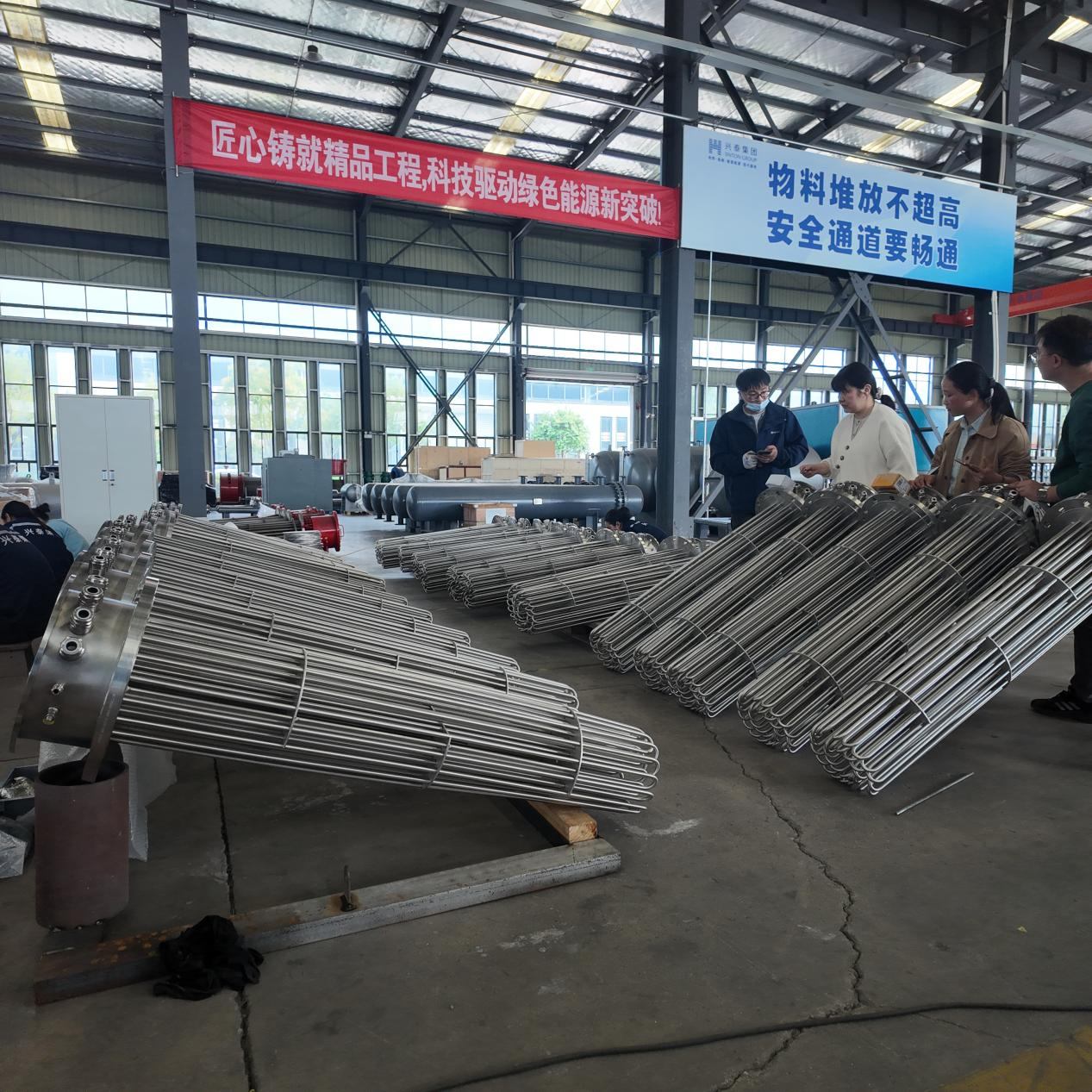
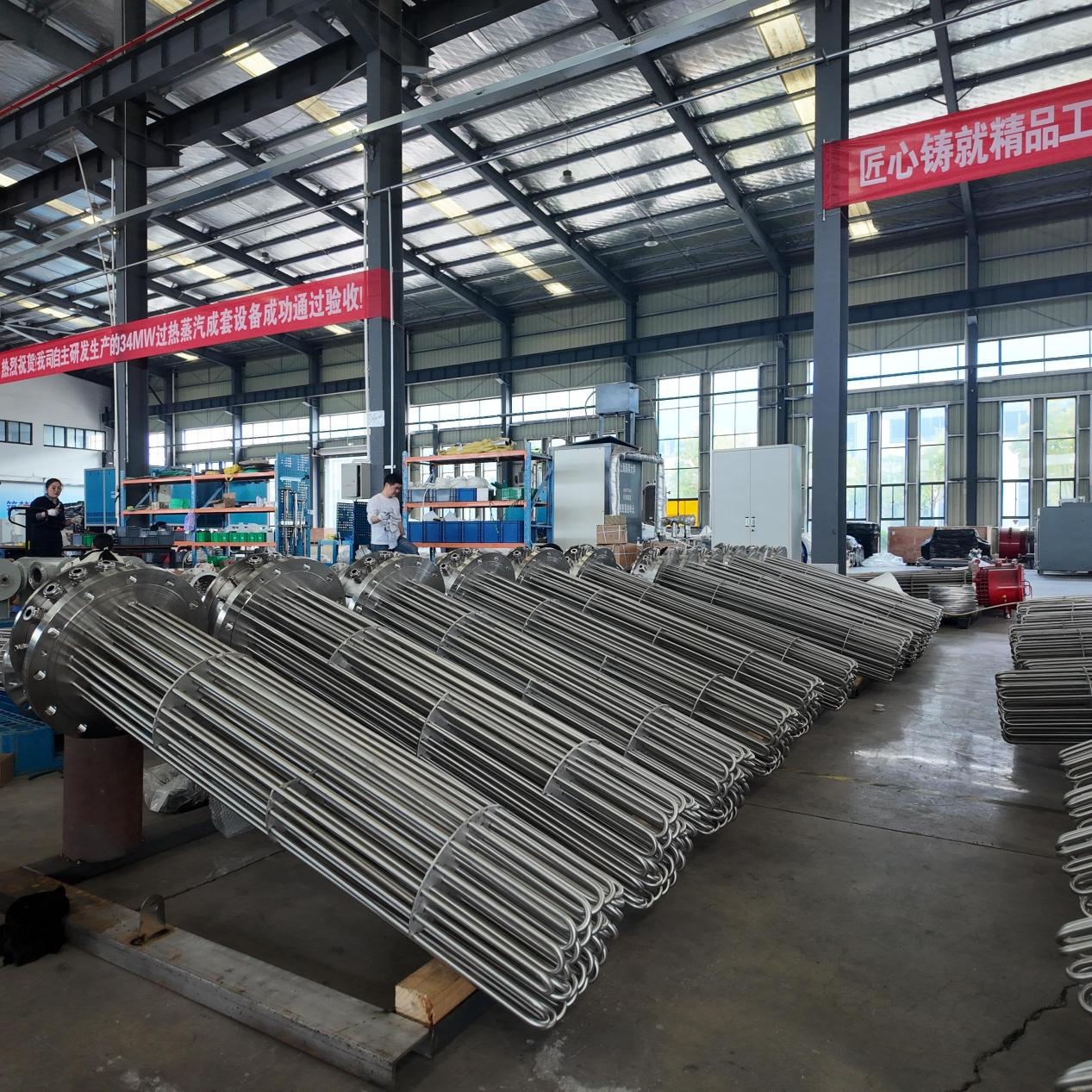
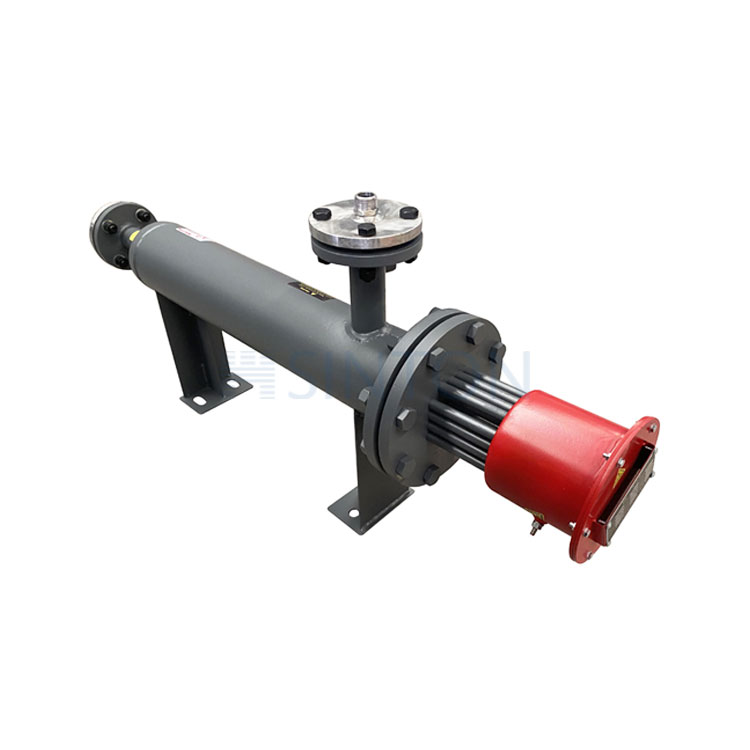
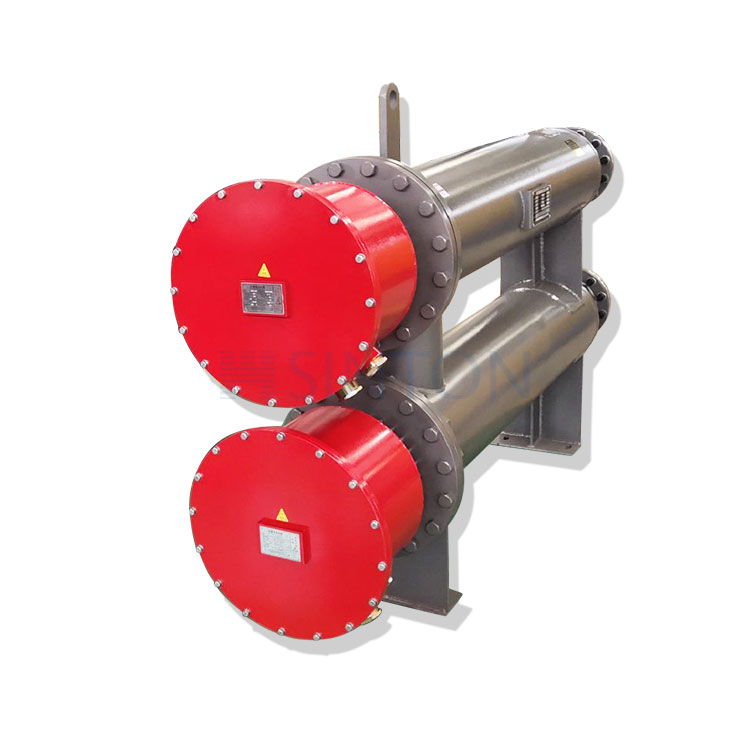
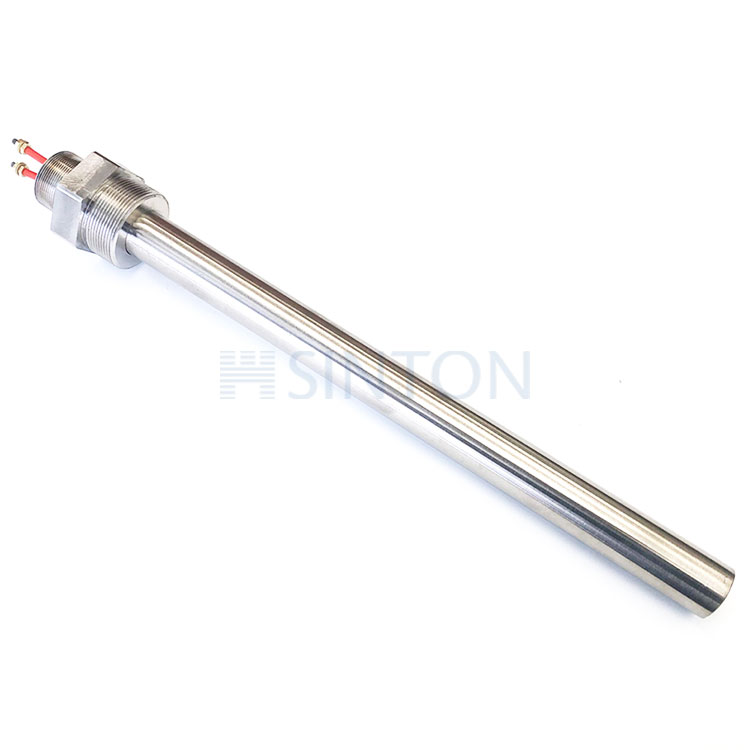
Within these diverse applications, maintaining precise and uniform fluid temperatures is paramount. Flanged immersion heaters — a category of direct-contact electric resistance heaters — have emerged as one of the most thermally efficient and operationally reliable technologies for achieving stable bulk-fluid temperature control in propylene glycol service.
Unlike conventional steam heating coils or shell-and-tube heat exchangers that rely on intermediate surfaces and auxiliary media, flanged immersion heaters are installed directly inside tanks, pressure vessels, or inline process pipelines. This direct-immersion configuration eliminates intermediate thermal resistances, enabling highly efficient conductive and convective heat transfer into the propylene glycol solution.
Key technical advantages include:
Since propylene glycol solutions exhibit increased viscosity at low temperatures, maintaining surface watt density below fluid-specific thresholds is essential to prevent localized film boiling, carbonization, or premature thermal degradation of the glycol matrix.
Sinton Group applies rigorous material and thermal design methodologies tailored to the specific service conditions of each glycol heating application. Critical design parameters include glycol concentration, operating temperature range, fluid flow velocity, system pressure, and installation geometry.
Maximum permissible sheath surface load (W/cm²) is governed by fluid thermal conductivity, bulk flow velocity across the element, and the onset temperature of glycol degradation. Conservative watt density selection — combined with adequate flow-induced convection — ensures that sheath surface temperatures remain well below the thermal cracking threshold of the glycol, thereby extending fluid service life and reducing maintenance intervals.
In closed-loop circulation systems demanding continuous, uninterrupted operation, flanged immersion heaters are typically integrated with precision instrumentation for closed-loop temperature regulation. Standard control architectures incorporate:
In central air-conditioning plants, district energy networks, and antifreeze circulation loops, propylene glycol is routinely specified as the secondary heat transfer medium. Flanged immersion heaters maintain fluid temperature above the freeze protection threshold during cold-weather operation and provide start-up heating capacity at system commissioning.
Chemical storage tanks and process transfer lines handling glycol-based formulations require consistent temperature maintenance to avoid viscosity excursions that impair pump performance or metering accuracy. Immersion heaters deliver precise, direct thermal input without contamination risk from combustion products or steam condensate.
Propylene glycol solutions are increasingly deployed as the working fluid in battery thermal management systems (BTMS) for electric vehicles and stationary energy storage installations, as well as in solar thermal collectors and geothermal heat pump circuits. Flanged heaters provide essential auxiliary heating capacity under sub-zero ambient conditions to maintain electrochemical cell temperatures within the optimal operating window.
By virtue of its GRAS (Generally Recognized As Safe) classification by the U.S. FDA, propylene glycol is approved for use in food-contact and pharmaceutical-grade process systems. Flanged immersion heaters fabricated from 316L stainless steel deliver clean, contamination-free, and continuously stable liquid heating, fully compatible with CIP (Clean-In-Place) and SIP (Steam-In-Place) validation protocols.
Specifying an optimal flanged immersion heater for a propylene glycol application requires a systematic evaluation of the following parameters:
A properly engineered heater selection yields measurable improvements in thermal efficiency, reduced energy consumption, extended fluid and element service life, and lower total cost of ownership over the equipment lifecycle.
Flanged immersion heaters represent the most direct and thermally efficient approach to electric heating of propylene glycol solutions in demanding industrial environments. Through careful material selection, watt density engineering, and integration with modern instrumentation and control systems, these heaters deliver the precision, reliability, and safety required by today's process industries.
As an experienced industrial electric heating manufacturer, Sinton Group continues to engineer and supply application-specific flanged immersion heating solutions for propylene glycol systems, antifreeze heat transfer fluids, and a broad spectrum of industrial liquid heating processes worldwide.

Looking For Business Opportunity?
Request for a call today
WhatsApp: +86-185-5601-8866
Tel: +86-185-5601-8866
E-mail: [email protected]
Address: Sinton Building, No. 886 Yandu Road, Yandu District, Yancheng City, Jiangsu Province
Friendly Link: www.cn-lvdao.com www.sealing-china.com
Products
Message