Industrial Resistive Composites Wholesale

Home / Browse Products / Resistive Composites
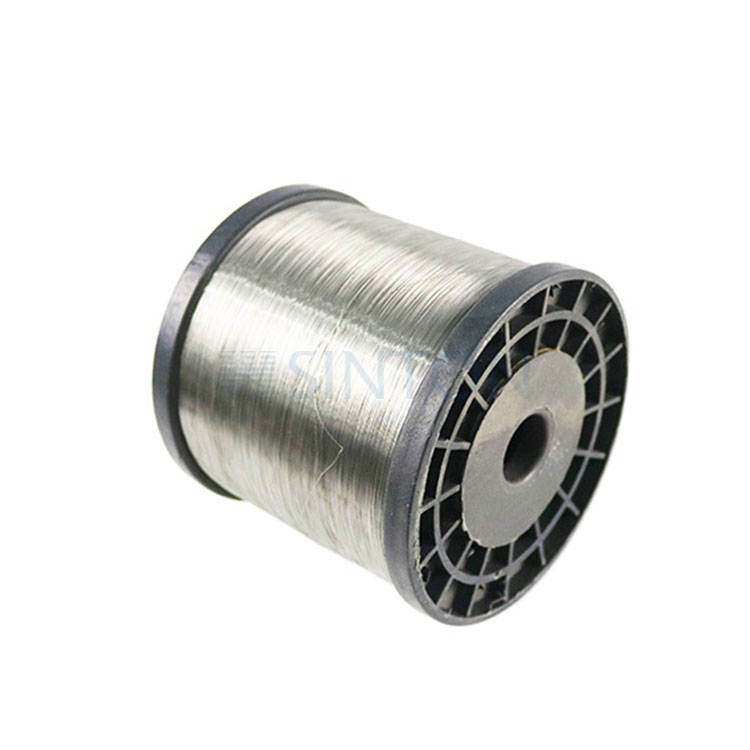
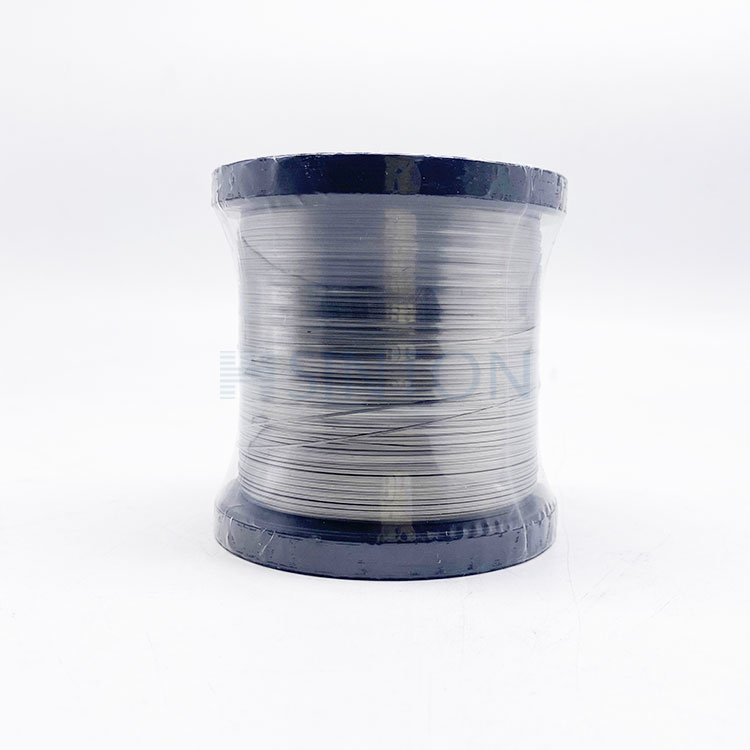
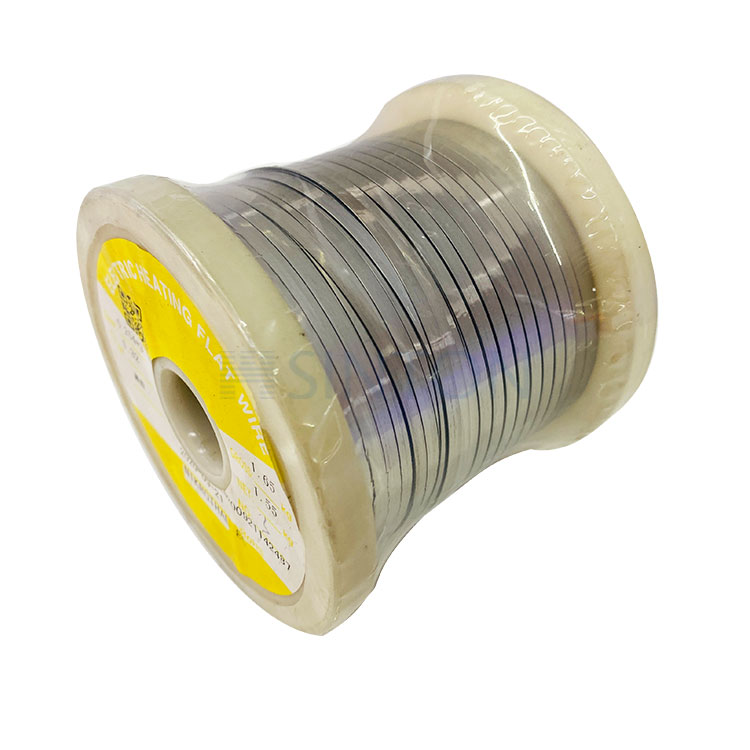
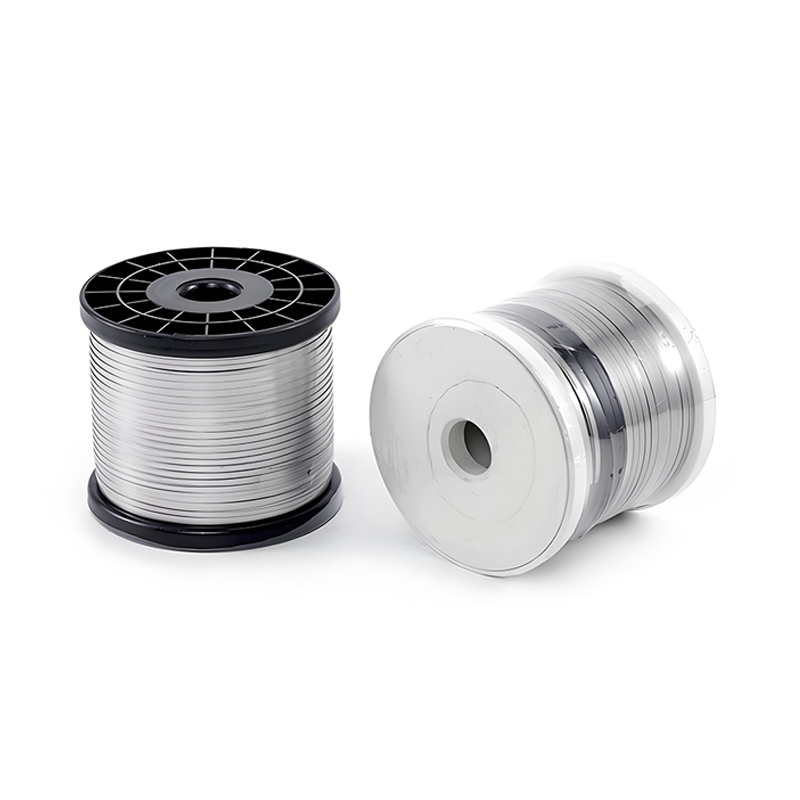
Sinton heating resistance wire is engineered to deliver satisfactory performance across a wide array of heating applications. Constructed from high-quality heat-conductive alloys, it is designed to provide efficient heat transfer and withstand high temperatures, making it an ideal choice for industrial use, electrical appliances, and specialized applications.

Industrial Resistive Composites Manufacturers

Product Material:

Sinton's resistance wire is available in three key categories, differentiated by temperature ratings and alloy compositions:

● Low-Temperature Alloys: These feature a high copper content, suitable for applications up to 300°C, and are known for their good formability.

● Medium Temperature Alloys: Comprising copper-nickel or nickel-iron alloys, these are suitable for temperatures up to 600°C, offering a good balance of strength and ductility.

● High Temperature Materials: For the many demanding applications, nickel-chrome or iron-chrome-aluminium alloys can withstand temperatures up to 1300° These materials are designed for high strength and stiffness while maintaining the necessary ductility.

How It Works:

The resistance wire operates by converting electrical energy into heat through its inherent resistance. This generated heat is then transferred to the surrounding area or material that requires heating. The efficiency of this heating process is significantly influenced by the wire's material properties, including its resistivity and temperature coefficient, ensuring that Sinton's resistance wires meet the diverse needs of heating applications with reliability and efficiency.

Sinton Heating Resistance Wire excels in various heating element applications, from commonplace items like clothes irons to sophisticated industrial furnaces. This wire facilitates controlled and efficient heating in both contact and radiant systems. With its high-quality heat dissipation capabilities and expansive temperature range, Sinton's wire outperforms traditional heating wires, making it a durable and economical choice for applications exceeding 600°C.

Heater Mounting Options:

Sinton wire is remarkably flexible, allowing for easy hand-bending into precise configurations. This adaptability makes it suitable for a variety of mounting methods, including coiled compact heater elements, embedding in ceramics for high-temperature environments, or customized heater solutions.

Considerations When Selecting Heating Resistance Wire:

●Application Temperature: Choose an alloy that matches the operational greatest temperature of your system.

●Resistance and Power Requirements: Ensure the wire has the necessary resistance for desired heating efficiency and can support the load adequately.

●Environmental Conditions: Take into account potential exposure to corrosive substances, moisture, and other environmental factors.

Sinton's resistance wire offers significant performance benefits:

●Custom alloy compositions tailored for specific temperature ranges.

●High resistivity and low-temperature coefficient for stable heating.

●Mechanical and electrical durability, even in hostile environments.

Features and Benefits

●High-efficiency heating and controlled distribution.

●Customizability for complex shapes and specific design requirements.

●Robust against thermal and mechanical stress, extending service life.

●Compatibility with a wide range of application temperature needs.

Collaborating with Sinton offers access to diverse solutions, expert advice, and tailored guidance, demonstrating Sinton's commitment to quality and customer satisfaction. This approach ensures customers not only receive high-quality wire materials but also the comprehensive support needed to meet their specific application requirements.

Applications

Sinton's resistance wire is versatile and suitable for traditional heating elements and modern applications in the aerospace industry, electric vehicles, and advanced manufacturing processes requiring precise, high-temperature control.

Customized Options

Sinton provides customized solutions, packaging wire in various diameters, lengths, and insulation types to meet client specifications, facilitating easy integration and satisfactory performance in applications.

Resistive Composites

Use video

ask for quote

By clicking Sign Up you're confirming that you agree with our Terms and Conditions.

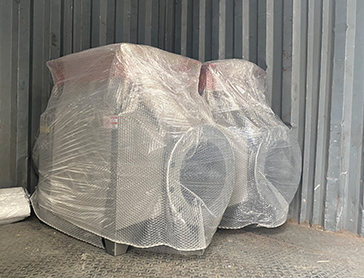
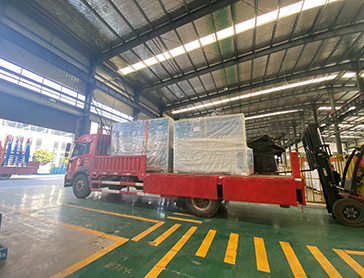
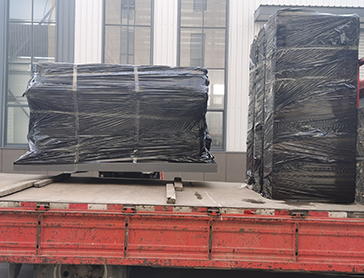
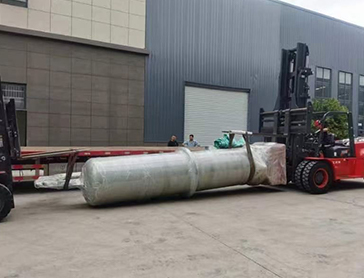
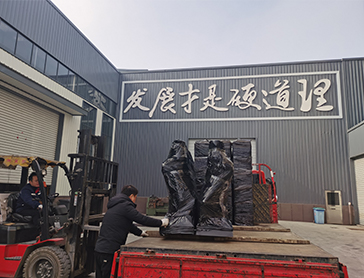
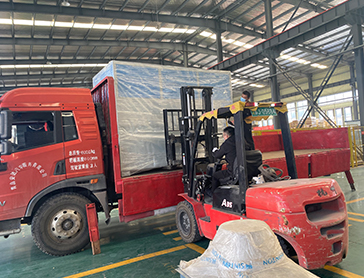
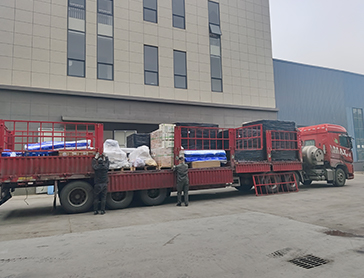
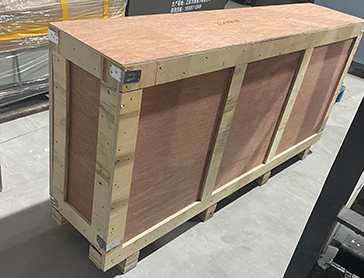
Shipment

provides customers with quality and safe transportation.

air duct heater package

Heater equipements LCL shipment

heater packed on steel pallet

Immersion heater packing1

LCL loading 3

LCL shipment loading 2

LCL shipment

plywood package 2

FAQs

If you have any questions, please feel free to contact us.

Contact
  • What are the key components of an inline heater, and what optional features can enhance its functionality?
    The inline heater can have a heating element, a sheath, and thermal insulation. It may also comprise a pump unit that the heated fluid passes in loops around the heating element. The heated fluid will pass out from the outlet nozzle. Some systems have thermocouple sensors that have a different placement for the purpose of fluid temperature sensing apart from controlling the system, which can range from basic on/off control to adjustable temperature settings. Optionally, the following is available: moisture-proof or explosion-proof casing, various types of flanges, and special mounting equipment, all of which combined will highly enhance the durability, safety, and adaptation of the heater to different surroundings.
  • What role do inline heaters play in the flushing process, especially for control and umbilical lines?
    Inline heaters are also important for the heating of oil to proper viscosity for flushing. This is necessary in the efficient cleaning of control and umbilical lines that may have very small diameters and be quite long. An engineer selects the right oil for each case; all in excess, debris and buildup are removed duly. In the context of the maintenance process, inline heaters stand out as the more suitable, since the mode of heat transfer is very efficient and hence it is very handy for the maintenance process.
  • What are the key applications and benefits of inline heaters in water heating?
    Inline heaters are extensively used for heating clean water for various purposes, including industrial washing and food processing, where stainless steel flanges and Incoloy sheaths are preferred for their corrosion resistance and safety. The selection of an inline heater is determined by the water flow rate and heating element specifications, such as wattage and heating area capacity. Their ease of cleaning and maintenance makes them particularly attractive for water heating applications.
About sinton
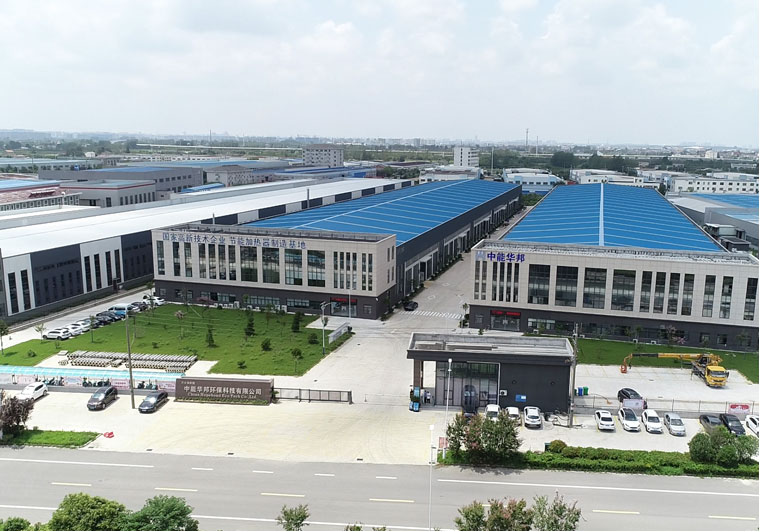
Jiangsu Sinton Group Co.,Ltd.
Founded in 2001, Sinton Group is a one-stop supplier specializing in industrial heating solutions, headquartered in Yancheng, Jiangsu Province, China (approximately 2 hours by high-speed rail or 1 hour by flight from Shanghai).
Operating through an integrated group structure, Sinton centers on Sinton Electric Co., Ltd. (formerly Yancheng Xingtai Electric Equipement Co.,Ltd.), and works in close coordination with Sinton Technology Limited, Jiangsu Sinton Thermal Co., Ltd., Jiangsu Sinton Energy Co., Ltd., and China Hopebond Eco Tech Co., Ltd. (formerly China Energy Huabang Environmental Protection Technology Co., Ltd.), enabling the Group to cover industrial heater R&D and manufacturing, thermal engineering, energy systems, environmental protection technologies, and global trade within a unified operational framework.
With over 20 years of experience in industrial heating equipment manufacturing and system design, Sinton Group now serves more than 60,000 clients across 120+ countries and regions, providing complete heating solution chains from preliminary engineering design and customized heater supply to installation guidance and long-term technical support.
Supported by a modern industrial base of 20,000 sqm dedicated to production and R&D, together with 10,000 sqm for headquarters and logistics, Sinton holds comprehensive certifications including EAC, Ex, CE, ISO, and Pressure Vessel Design and Manufacturing Licenses, owns 200+ patented technologies, and has been recognized for innovations such as the Graphene-Nano Quartz Electric Tubular Heating Element, awarded the Provincial Innovation Gold Award, while also contributing to the formulation of Chinese industrial heater industry standards.
Sinton’s heating solutions are widely applied in industrial equipment, petroleum and mineral processing, machinery manufacturing, dyeing and printing, tooling and mold industries, light industry and textiles, industrial consumables, plastic machinery, medical equipment and heavy industry, as well as construction engineering, precision processing, energy services, engineering construction, and industrial drying systems.
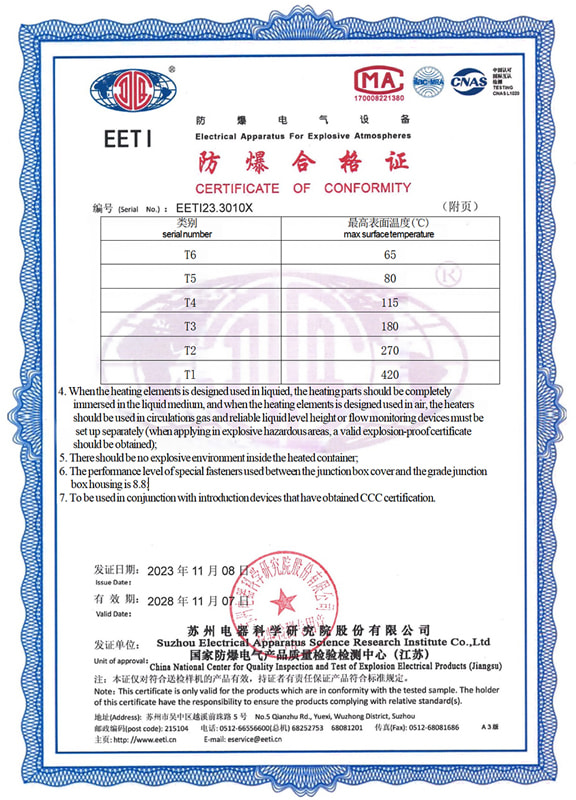
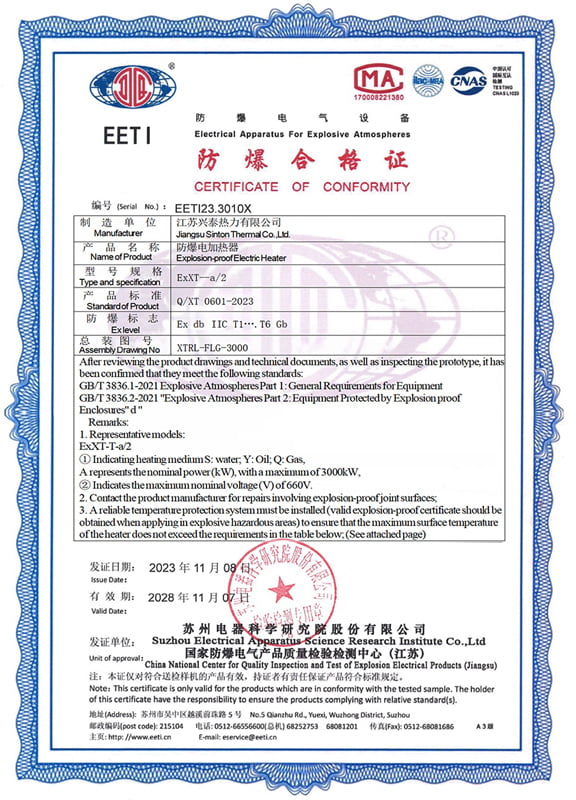
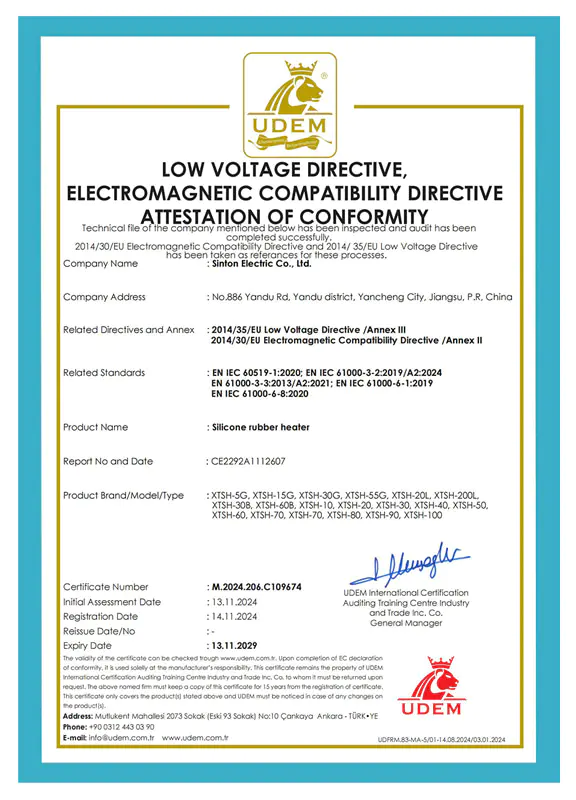
Certificate Of Honor
  • Certificate Of Conformity
  • Explosion-proof Electric Heater
  • Silicone Rubber Heater
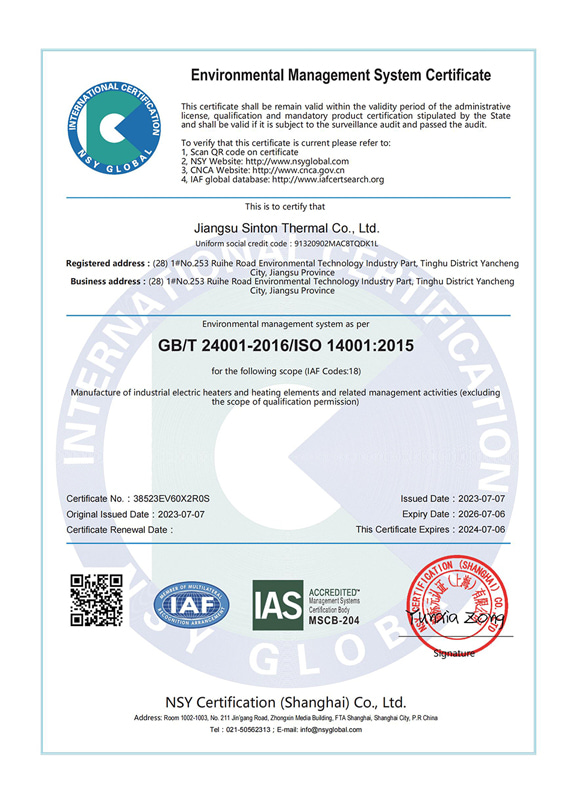
  • Environmental Management System Certificate
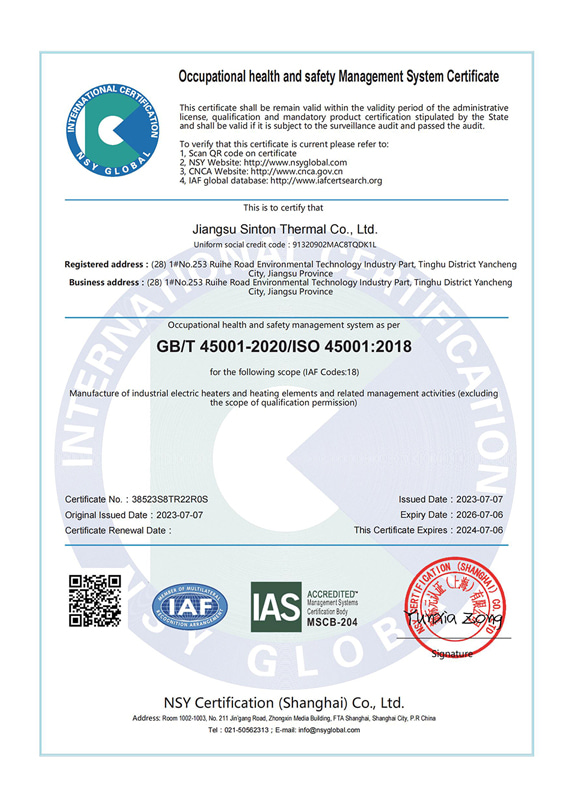
  • Occupational health and safety Management System Certificate
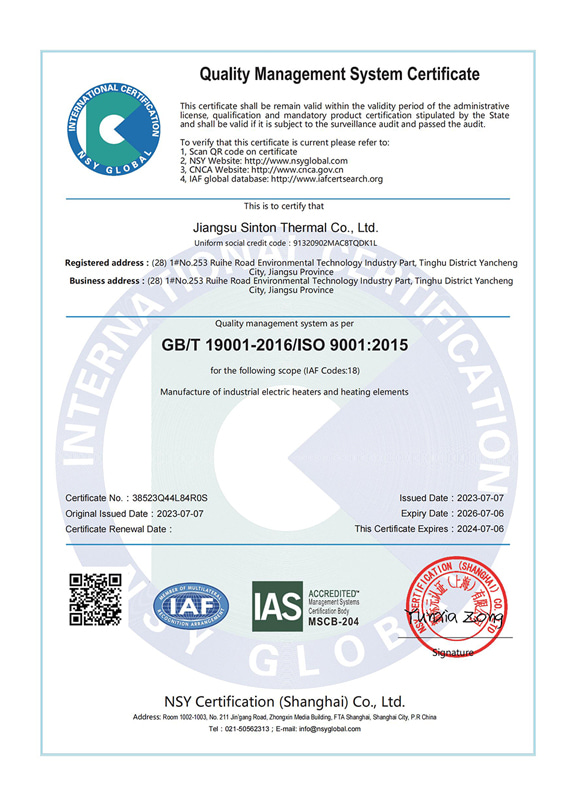
  • Quality Management System Certificate
News
Resistive Composites Industry knowledge
Overview of Resistive Composites and their advantages

Resistive composites are composite materials made by mixing conductive fillers with non-conductive matrix materials. These composite materials are designed for specific resistive properties to meet application needs in different fields. Resistive Composites are widely used in wearable electronics and flexible circuits due to their high customizability, versatility, mechanical flexibility and low cost, making them suitable for a variety of applications from sensors to conductive coatings.Pressure sensors, temperature sensors, electromagnetic interference (EMI) shielding and flexible electronic devices, etc.