WhatsApp: +86-185-5601-8866
Heating Equipment
News
2026-02-09
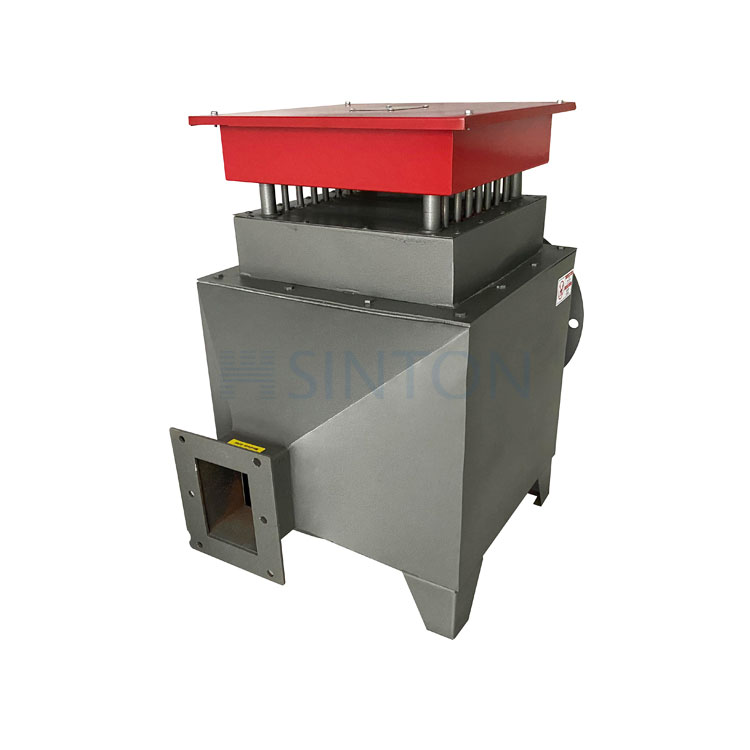
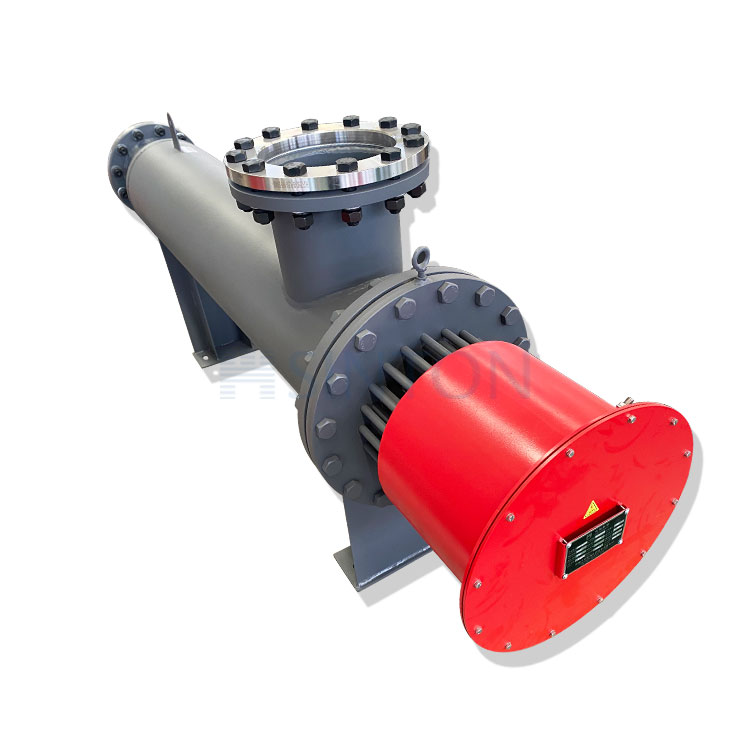
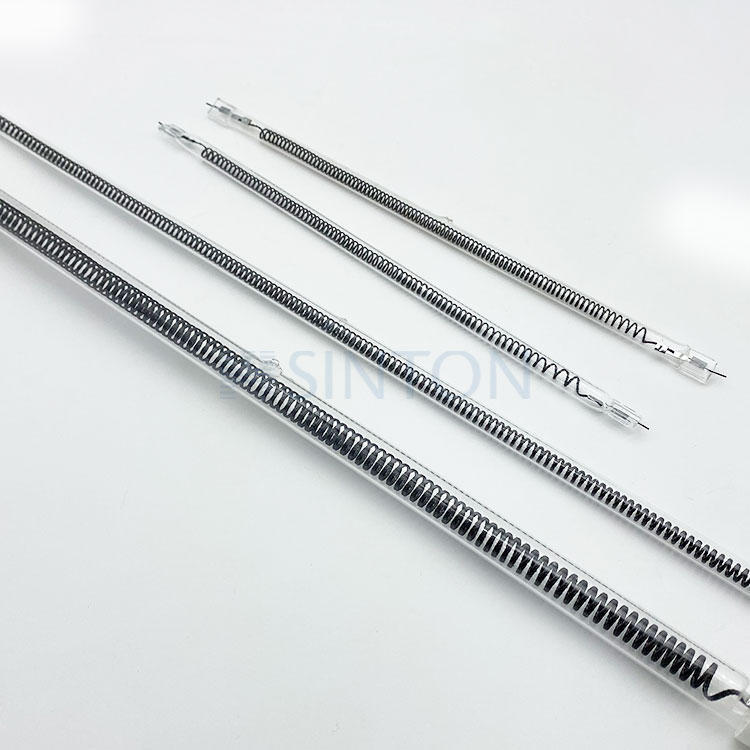
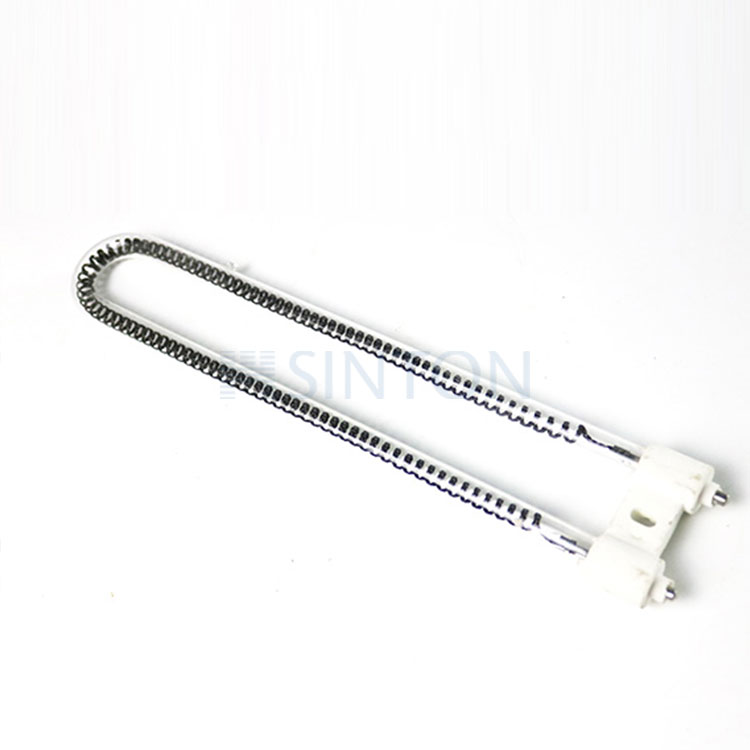
The configuration of heating elements within an air duct heater plays a fundamental role in determining airflow resistance and pressure drop. Heating elements that are densely packed or closely spaced create a physical barrier that restricts air movement, forcing the HVAC system fan to operate at higher power to maintain required airflow levels. Conversely, open coil or low-density element designs provide greater clearance for air passage, reducing obstruction and minimizing resistance. The orientation of elements relative to airflow direction also affects aerodynamic behavior; elements aligned with airflow typically create less turbulence than perpendicular arrangements. Element geometry (spiral, finned, tubular, or strip-type) influences heat transfer efficiency and airflow characteristics. A well-designed heating element configuration balances thermal output with minimal airflow disruption, ensuring efficient heat transfer while maintaining system performance and reducing mechanical stress on HVAC components.
The free area ratio refers to the percentage of unobstructed space available for airflow through an air duct heater, and it is one of the most critical parameters affecting pressure drop. A higher free area ratio allows air to pass through with minimal restriction, resulting in lower static pressure loss and improved system efficiency. When the free area is limited due to structural components or dense heating elements, airflow velocity increases through restricted openings, generating turbulence and increasing pressure losses. This condition may also lead to uneven airflow distribution and localized overheating of heater elements. From a system design perspective, selecting an air duct heater with an optimal free area ratio ensures that the heater integrates smoothly into the duct system without significantly altering designed airflow characteristics or increasing fan energy consumption.
The structural framework of an air duct heater, including its casing, support rods, mounting brackets, and internal reinforcements, directly influences airflow dynamics. Bulky or poorly positioned structural components obstruct the air stream and create turbulence zones, which increase resistance and contribute to higher pressure drop. Streamlined structural designs that incorporate aerodynamic supports and minimal cross-sectional obstruction help maintain laminar airflow conditions and reduce energy losses. Rigid structural integrity is necessary to prevent vibration or deformation under high airflow conditions, as structural instability can further disrupt airflow patterns. A well-engineered frame design therefore ensures mechanical stability while minimizing interference with airflow and maintaining overall HVAC system efficiency.
Proper dimensional compatibility between the air duct heater and the HVAC duct system is essential to maintaining balanced airflow and minimizing pressure drop. If the heater is undersized relative to the duct cross-section, it may create a restriction or bottleneck that increases air velocity and static pressure at the installation point. Conversely, an oversized heater may disrupt airflow patterns, causing recirculation zones, eddies, or uneven air distribution. Accurate matching of heater dimensions with duct size ensures uniform airflow distribution across heating elements, reduces localized pressure variations, and prevents system inefficiencies. Proper installation alignment is also important, as misalignment within the duct can further contribute to airflow resistance and operational inefficiencies.
| 型号 | 内腔尺寸 | 出风口径 | 接线组数 | 连接风机 | ||
| mm | mm | 组 | 型号 | 功率(kW) | ||
| XTFD-180 | 800×750×500 | DN400 | 4 | 4-72离心风机 | 4.5A | 7.5kW-2P |
| XTFD-200 | 800×750×500 | DN450 | 4 | 4.5A | 7.5kW-2P | |
| XTFD-250 | 1000×750×600 | DN500 | 5 | 4.5A | 7.5kW-2P | |
| XTFD-300 | 1200×750×600 | DN500 | 6 | 4.5A | 7.5kW-2P | |
| XTFD-350 | 900×800×900 | DN500 | 7 | 5A | 15kW-2P | |
| XTFD-400 | 1000×800×900 | DN600 | 8 | 5A | 15kW-2P | |
| XTFD-450 | 1100×800×900 | DN600 | 9 | 5A | 15kW-2P | |
| XTFD-500 | 1200×800×900 | DN600 | 10 | 5A | 18.5kW-2P | |
| XTFD-600 | 1400×1000×1000 | DN600 | 12 | Y5-47锅炉风机 | 6C | 18.5kW-2P |
| XTFD-800 | 1800×1000×1000 | DN600 | 16 | 6C | 30kW-2P | |
| XTFD-1000 | 2200×1000×1000 | DN600 | 20 | 7C | 30kW-2 | |
The surface characteristics and material composition of an air duct heater influence the frictional resistance encountered by moving air. Rough or irregular surfaces increase boundary layer friction and create small-scale turbulence, which contributes to additional pressure losses. In contrast, smooth and properly finished surfaces reduce air friction and support more efficient airflow. Material selection also affects thermal expansion, corrosion resistance, and long-term surface integrity; degraded or corroded surfaces may increase roughness over time, gradually raising airflow resistance. High-quality materials and surface treatments therefore contribute not only to durability but also to sustained aerodynamic performance throughout the heater’s operational life.
Every air duct heater is engineered to operate within a specified range of air velocities, which significantly affects pressure drop and system performance. When airflow velocity exceeds design limits, resistance increases due to greater friction and turbulence as air passes through the heater assembly, resulting in higher pressure losses and increased fan energy demand. Excessively low air velocity, while reducing pressure drop, may lead to inadequate heat dissipation and potential overheating of heating elements. Maintaining airflow within the manufacturer’s recommended velocity range ensures optimal heat transfer efficiency, stable operation, and minimal impact on overall HVAC system pressure characteristics.
Looking For Business Opportunity?
Request for a call today
WhatsApp: +86-185-5601-8866
Tel: +86-185-5601-8866
E-mail: [email protected]
Address: Sinton Building, No. 886 Yandu Road, Yandu District, Yancheng City, Jiangsu Province
Friendly Link: www.cn-lvdao.com www.sealing-china.com
Products
Message