WhatsApp: +86-185-5601-8866
Heating Equipment
News
2026-02-02
Temperature Control Mechanisms in Explosion Proof Oil Circulation Heaters
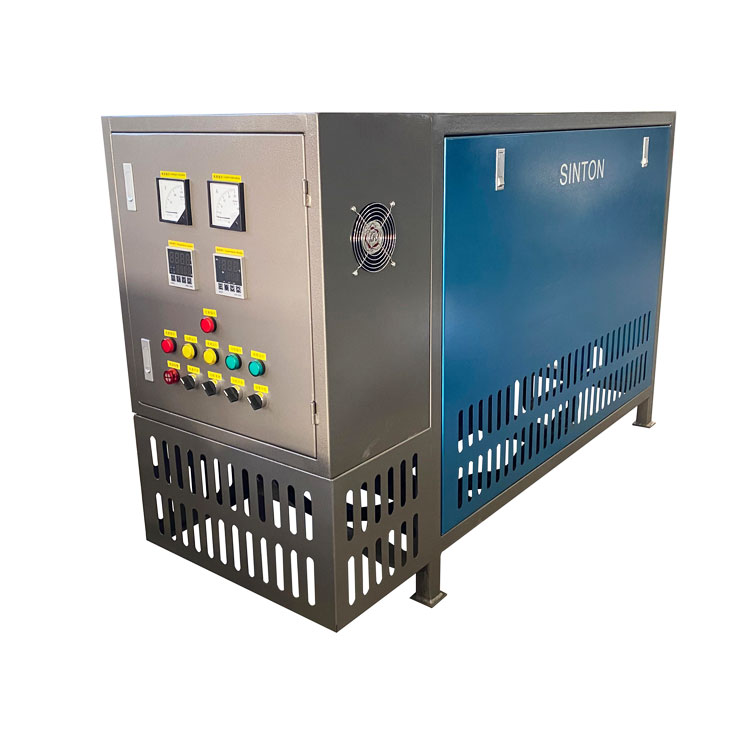
The temperature control in Explosion Proof Oil Circulation Heaters is a critical component in ensuring consistent and reliable operation in hazardous environments. One of the primary mechanisms used for temperature regulation is thermostatic control, where the heater relies on a built-in thermostat to monitor the oil temperature and adjust the heating output accordingly. The thermostat functions by turning off the heating element once the preset temperature is reached, and reactivating it when the temperature drops below the set threshold. This provides a simple but effective way to maintain a steady temperature within a certain range. For more complex applications, many heaters incorporate PID (Proportional-Integral-Derivative) control systems, which continuously monitor temperature changes and adjust the heater's output in real time.
This system is more sophisticated and allows for finer control, compensating for any small fluctuations in temperature and keeping the oil within a tight range. These systems are ideal for environments where precise temperature control is needed despite varying load conditions or oil characteristics. Thermocouples and RTDs (Resistance Temperature Detectors) are integral components in this control process, as they provide real-time temperature feedback to the control system, ensuring that the heater operates within the desired temperature range. Additionally, some advanced models employ modulating power input systems, which adjust the heating element's power supply to match the real-time temperature needs of the system, optimizing energy consumption while maintaining temperature consistency.
Precision of Temperature Regulation
The precision of temperature regulation in Explosion Proof Oil Circulation Heaters depends heavily on the control mechanism used, as well as the quality of the sensors and components involved. In many high-quality models, the temperature can be controlled with an accuracy of ±1°C (1.8°F), making them suitable for most industrial applications where stable oil temperature is necessary. This level of precision is adequate for environments where minor temperature fluctuations do not affect system performance or safety. However, for more stringent applications, PID-controlled heaters can offer even more precise temperature regulation, with some systems achieving accuracy levels of sub-1°C. This allows operators to fine-tune the temperature and maintain consistent heating despite varying environmental or operational conditions.
PID control systems work by constantly calculating the error between the current temperature and the desired temperature, making adjustments to the heating element's power input. This ensures that any deviation from the setpoint is quickly corrected, preventing significant overshoot or undershoot. The response time of these systems is another important factor that impacts precision. A fast response time allows the heater to adjust quickly to changes in temperature, improving overall system stability and reducing the likelihood of temperature spikes or drops. Additionally, some systems use hysteresis control, which creates a slight gap between the heating element turning on and off, thus preventing constant cycling and providing smoother temperature regulation. This makes the heater more efficient and extends its lifespan, while still ensuring temperature consistency.
Factors Affecting Temperature Control Precision
The temperature control precision in Explosion Proof Oil Circulation Heaters can be influenced by several external and internal factors. One significant factor is oil flow variability. In systems where the oil flow rate fluctuates, it becomes more challenging to maintain a constant temperature. For example, when the oil flows at a high rate, it can carry heat away from the heating element faster than the heater can compensate for, causing the temperature to drop unexpectedly. Conversely, if the oil flows too slowly, it may overheat before circulating enough to balance out the temperature, leading to inconsistent heating. This variability can be especially problematic in systems where large or complex oil circulation networks are involved. To counteract this, heaters with modulating power inputs are better suited, as they adjust the energy supply in real-time based on the demands of the circulating oil, allowing for more precise temperature control despite flow rate changes. The viscosity and thermal conductivity of the oil also play a crucial role in temperature regulation.

Oils with higher viscosity are more resistant to heating, requiring more energy and time to reach the desired temperature. In these cases, the heater must compensate for the thicker oil, which can affect how quickly it can respond to temperature changes. Ambient temperature is another factor that impacts precision, especially in environments with significant fluctuations in temperature. While some heaters are designed with insulation and protective casings to shield against external temperature changes, large swings in the surrounding environment can still affect the heater’s performance. The characteristics of the oil itself, such as its specific heat capacity, can influence how efficiently the heater raises or lowers the temperature. All these factors combined can make maintaining temperature control more complex, but with proper calibration and advanced control systems, the heater can still function effectively.
Safety Features and Explosion-Proof Design
In hazardous industrial environments, safety is of utmost importance when operating an Explosion Proof Oil Circulation Heater. These heaters are specifically designed to prevent any risk of ignition or explosion by incorporating various safety mechanisms and explosion-proof features. The explosion-proof enclosures that house the electrical components are one of the key design elements. These enclosures are built to contain any electrical sparks or faults that may occur within the heater, preventing them from igniting flammable vapors or gases that may be present in the surrounding environment. The enclosure materials are made of heavy-duty metals, such as cast iron or stainless steel, that can withstand high pressures and are resistant to corrosion.
To ensure that the heater does not pose a risk of overheating, many models are equipped with over-temperature protection systems. These systems automatically shut down the heater or reduce its output if the oil temperature exceeds a pre-set threshold, ensuring that the system does not overheat and cause a safety hazard. Pressure relief valves are also a critical safety feature, as they protect the system from the dangers of pressure buildup within the circulation lines. If the pressure reaches dangerous levels, the valve opens, releasing excess pressure and preventing potential damage to the system or even an explosion. These safety mechanisms work together to create a robust and safe environment for operation, ensuring that the heater can function reliably without causing harm to personnel or equipment in the surrounding area. These features are essential for compliance with safety regulations in industrial settings, especially in environments classified as hazardous or explosive zones.
Energy Efficiency and Operational Cost
Energy efficiency is a key consideration for Explosion Proof Oil Circulation Heaters, particularly in industries where operating costs can be high. Modern heaters are designed with energy-saving technologies that help minimize energy consumption while maintaining reliable performance. One of the main ways these heaters improve energy efficiency is through modulating power control. Instead of continuously operating at full power, the heater adjusts its energy consumption based on the real-time needs of the oil system. By using solid-state relays or Silicon-Controlled Rectifiers (SCRs) to regulate the power supply to the heating elements, the heater ensures that only the necessary amount of energy is used at any given time. This reduces energy waste and helps lower operating costs.
Heaters with PID control systems can provide more precise temperature regulation, which prevents excessive heating cycles and minimizes energy waste. Proper insulation of the heating elements and the surrounding casing also contributes to energy savings by reducing heat loss. These efficiency features not only help to lower energy costs but also contribute to a more sustainable operation. In industries where energy consumption is a significant expense, the ability to optimize energy usage can result in substantial savings over time. Moreover, these energy-efficient systems also have a positive environmental impact by reducing the overall energy demand, which aligns with increasing global efforts to minimize energy consumption and carbon footprints.
Looking For Business Opportunity?
Request for a call today
WhatsApp: +86-185-5601-8866
Tel: +86-185-5601-8866
E-mail: [email protected]
Address: Sinton Building, No. 886 Yandu Road, Yandu District, Yancheng City, Jiangsu Province
Friendly Link: www.cn-lvdao.com www.sealing-china.com
Products
Message