WhatsApp: +86-185-5601-8866
Heating Equipment
News
2025-12-09
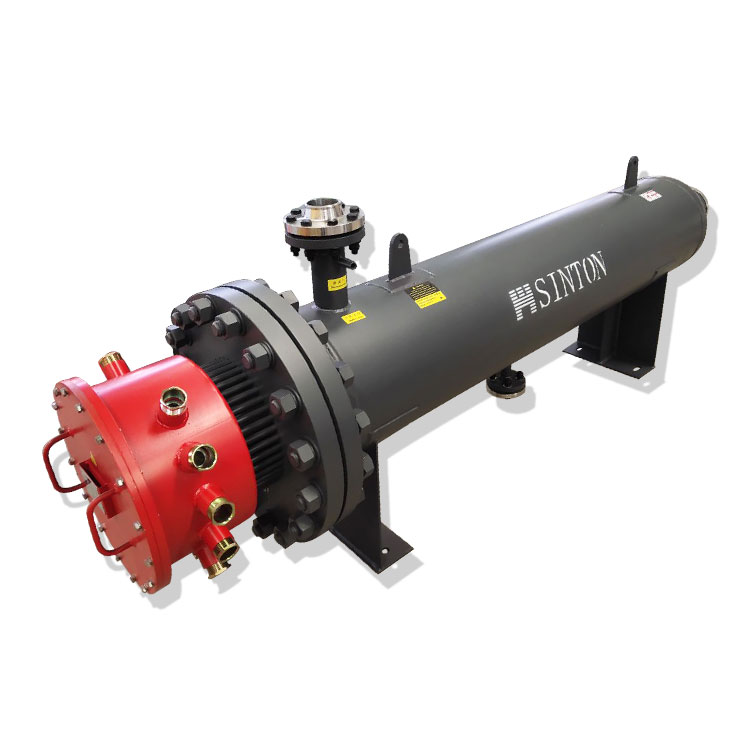
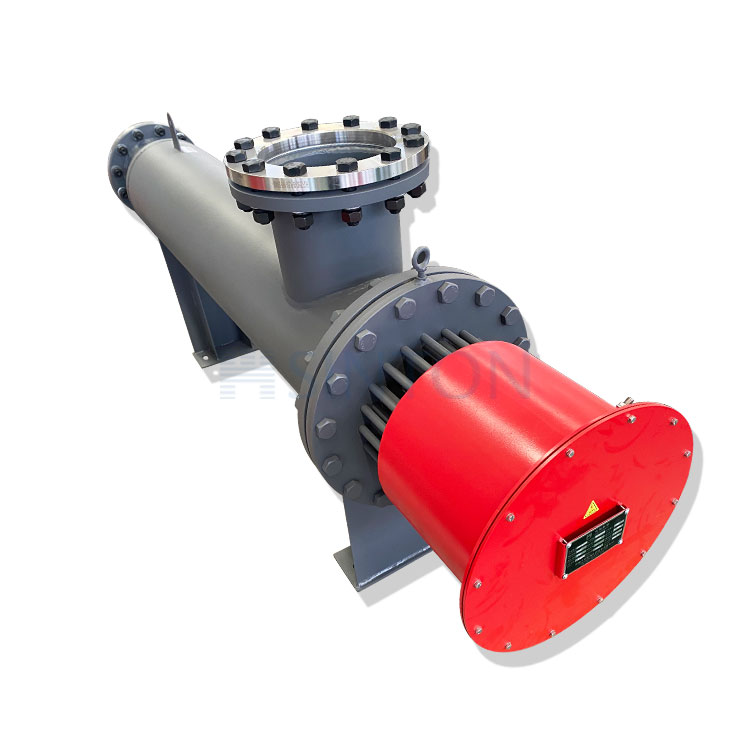
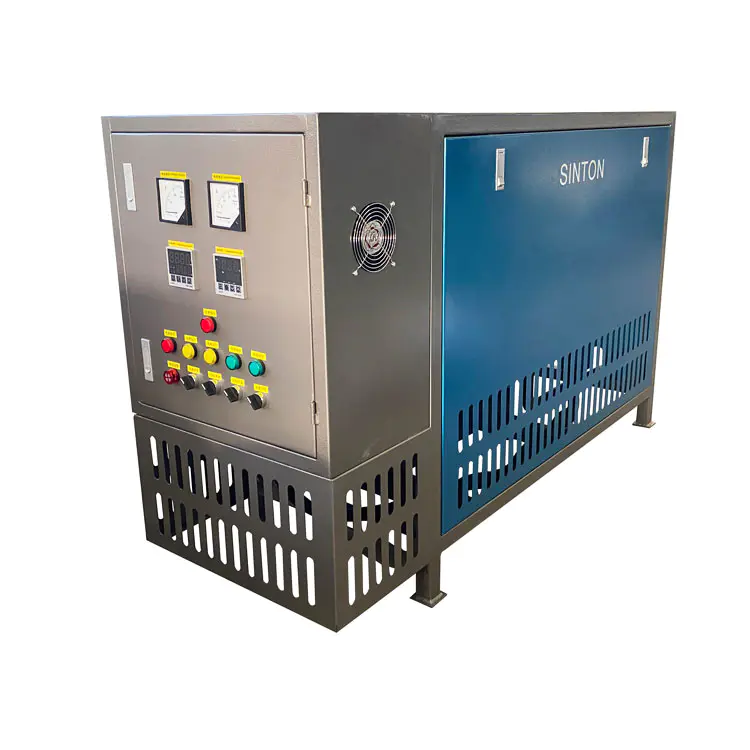
Sinton, a global manufacturer of industrial heating systems, has officially released a new technical white paper titled “Fundamentals of Organic Heat Carrier Boilers.” The publication provides an in-depth overview of thermal oil heaters—also known as organic heat carrier boilers—including terminology, system components, operating parameters, and standardized start-up and heating procedures. The release aims to enhance safety, efficiency, and operational consistency across industries that rely on high-temperature heat transfer systems.
Thermal Oil Heaters: A Critical Heat Source in Modern Industrial Applications
According to Sinton, thermal oil heaters play a vital role in sectors such as chemicals, textiles, food processing, pharmaceuticals, building materials, coatings, and petrochemicals. These systems use high-temperature heat transfer oil as the medium, enabling stable heat supply at 340°C in liquid phase and up to 400°C in gas phase under low-pressure conditions. Such advantages make thermal oil systems more efficient and safer compared to traditional steam boilers.
The white paper also highlights regulatory requirements: equipment with a rated thermal capacity of 0.1 MW (100 kW) or above is classified as an organic heat carrier boiler and must undergo design approval, inspection, and supervision in accordance with national safety regulations.
Different Types of Heat Transfer Oil Meet Various Temperature Demands
The report outlines two major categories of heat transfer oils:
1.Mineral-Based Heat Transfer Oil
Economical, widely available, and stable at temperatures up to 340°C, making it suitable for mainstream industrial applications.
2.Synthetic Heat Transfer Oil
Produced through chemical synthesis, it offers superior thermal stability, oxidation resistance, and high-temperature endurance. Ideal for industries requiring continuous or extremely high-temperature operation.
Sinton emphasizes that selecting the right oil type can significantly extend system life and improve operational efficiency.
Seven Key System Components Ensure Safety and Reliability
The white paper details seven essential components that form the backbone of a safe thermal oil heater system:
1.Oil Filling Pump
Responsible for transferring heat transfer oil from the storage tank to the expansion tank and main system.
2.Oil Filter
Removes polymerized substances and high-temperature residues, preventing pump damage and heat surface fouling. Regular cleaning is necessary to avoid blockage.
3.Expansion Tank
A critical safety device designed to absorb volume changes caused by thermal expansion of the oil. The tank must:
· Have ≥ 1.3 times the required expansion volume
· Maintain temperature below 70°C to avoid oil oxidation
· Be installed at least 1.5 meters above the heater
· Include overflow lines equal in diameter to the expansion pipe
4.Circulation Pump (Primary System Pump)
Provides system circulation power and is essential for liquid-phase heat transfer. Sinton recommends installing one operating pump and one standby pump to ensure uninterrupted flow. Insufficient flow can cause oil film overheating, coking, and even tube rupture.
5.Low-Level Oil Storage Tank
A crucial safety device that stores hot oil during emergency discharge. It must hold at least 1.2 times the system’s oil capacity and be installed at the lowest point of the system.
These components collectively determine the operational safety of the entire heating system.
Four Core Operating Parameters Define System Performance
Sinton outlines the four key parameters used to evaluate thermal oil heater performance:
· Rated thermal capacity (MW/kW)
· Outlet oil temperature (t₂)
· Return oil temperature (t₁)
· Operating pressure (MPa)
These parameters help users assess overall heating efficiency, energy consumption, and system stability.
Standardized Heating and Commissioning Procedure: The Most Critical Safety Step
One of the highlights of Sinton’s white paper is the detailed explanation of the standardized “heating and commissioning” procedure required when starting a new thermal oil system.
1.Initial Heating Stage (10°C/hour to 90–95°C)
Gradual heating prevents excessive oil film temperature caused by high viscosity at low temperature.
2.Dehydration Stage (0–5°C/hour to 110°C)
Removes residual water in the system and moisture in the oil. Abnormal pressure fluctuations or water hammer require immediate temperature stabilization.
3.Secondary Heating Stage (up to 120°C)
Ensures no more vaporized gases remain in the system and prevents pump cavitation.
4.Degassing Stage (210–230°C)
Eliminates light components that may cause gas blockage (air lock), which can lead to unstable flow or pump shutdown.
5.Final Heating Stage (up to operating temperature)
Heated at 40°C/hour, with comprehensive monitoring of instrumentation, pumps, and auxiliary equipment.
Sinton notes that improper heating procedures are the leading cause of thermal oil system accidents, underscoring the importance of strict adherence to the recommended commissioning process.
Sinton’s Commitment to Industry Progress
Sinton states that it will continue to promote standardized, safe, and intelligent development within the thermal oil heating sector. With ongoing investment in system automation, efficiency optimization, and lifecycle service support, Sinton aims to help global industries achieve safe operation, energy savings, and long-term reliability.
Looking For Business Opportunity?
Request for a call today
WhatsApp: +86-185-5601-8866
Tel: +86-185-5601-8866
E-mail: [email protected]
Address: Sinton Building, No. 886 Yandu Road, Yandu District, Yancheng City, Jiangsu Province
Friendly Link: www.cn-lvdao.com www.sealing-china.com
Products
Message