WhatsApp: +86-185-5601-8866
Heating Equipment
News
2026-03-24
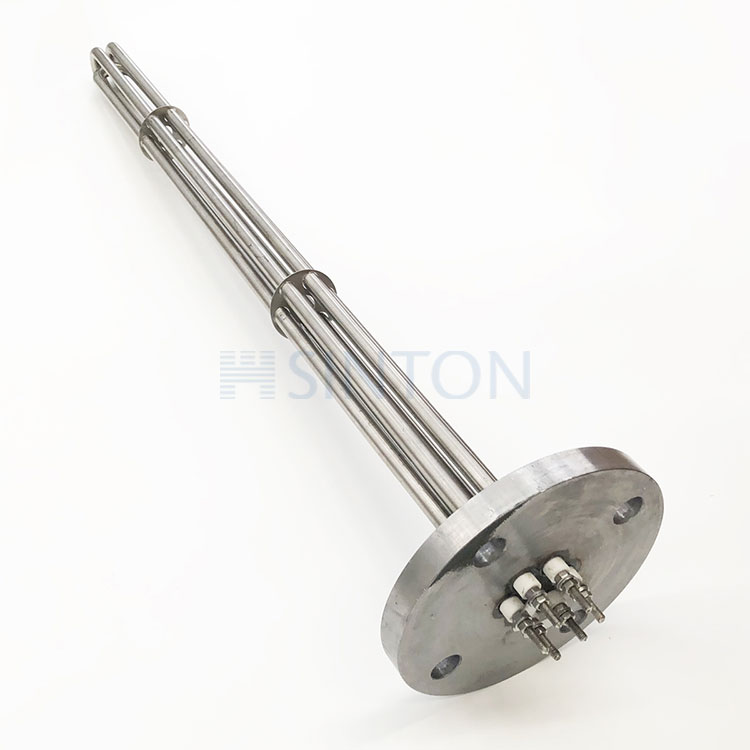
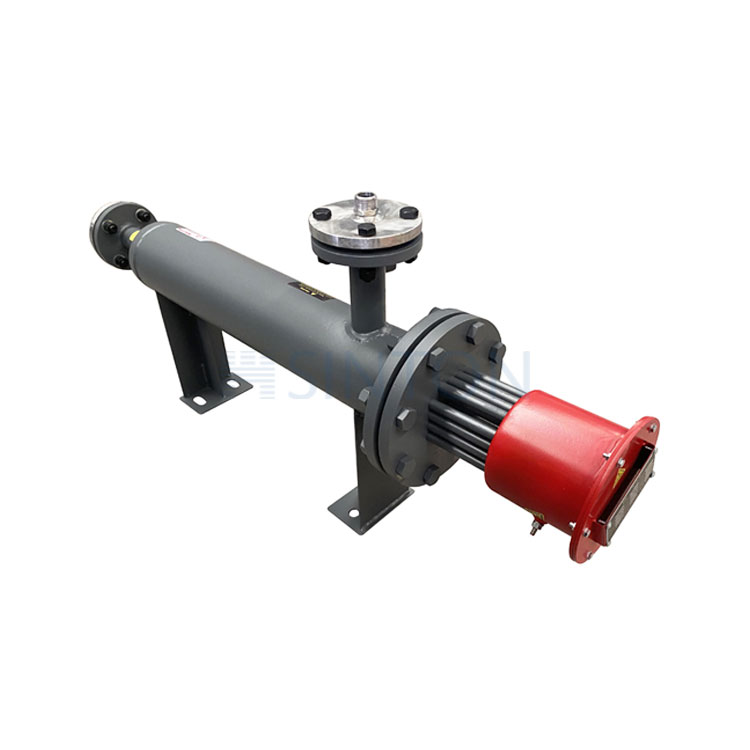
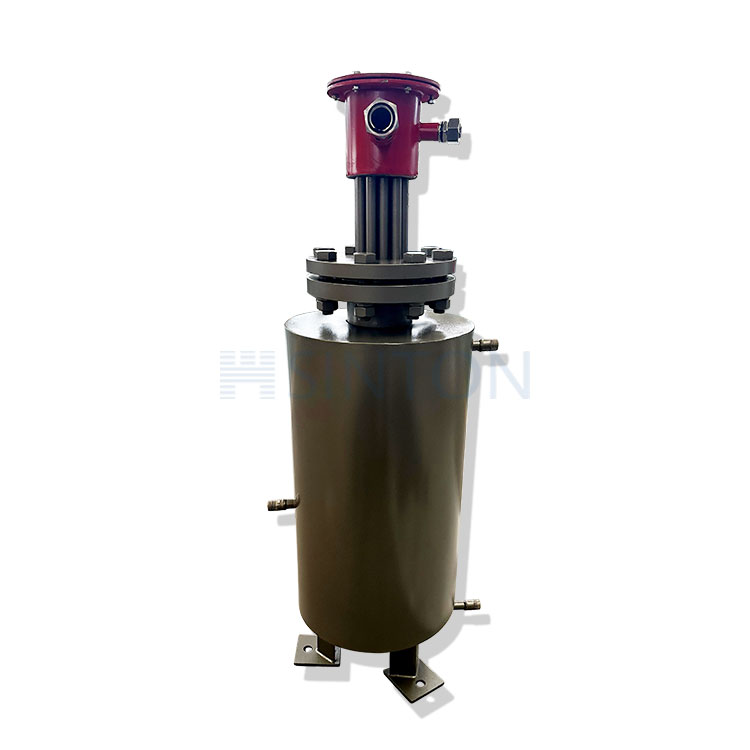
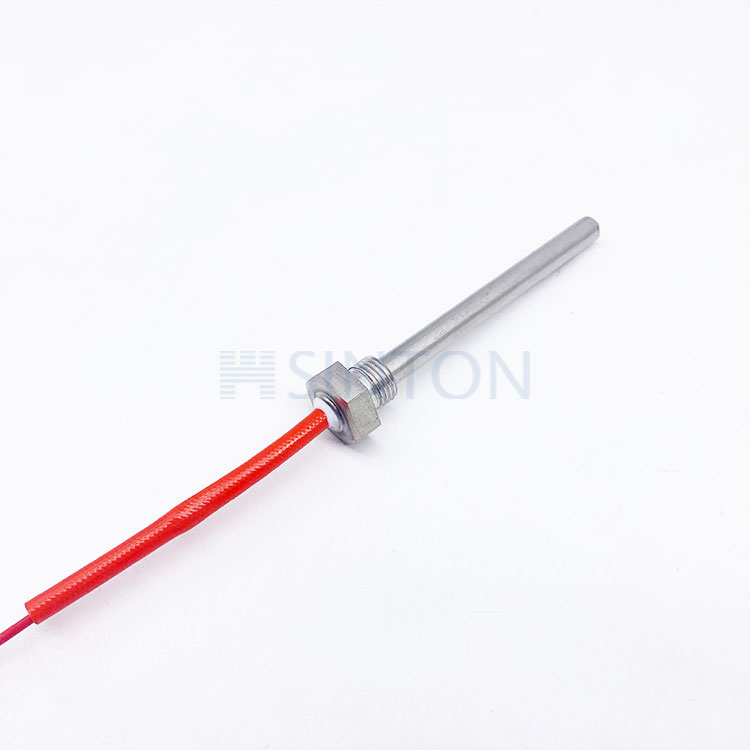
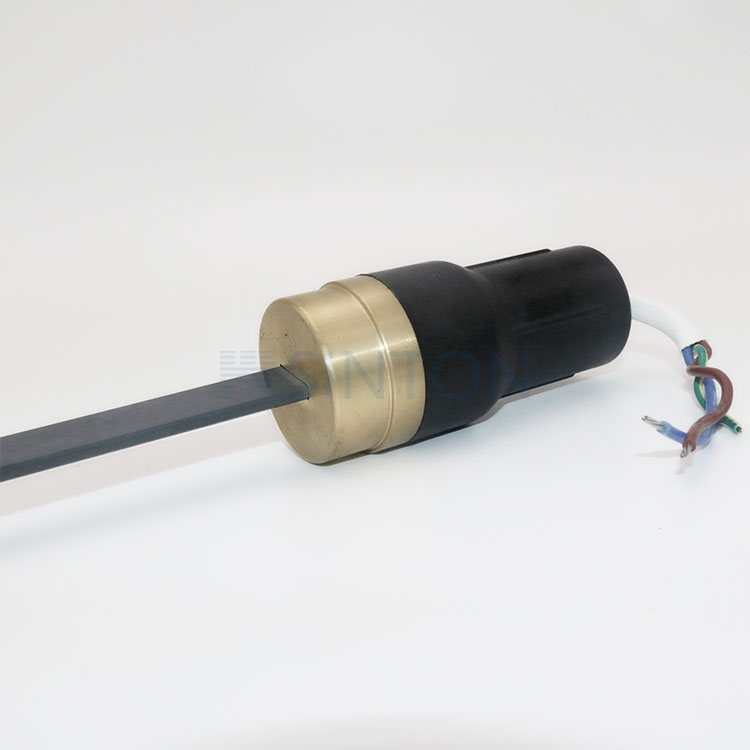
Immersion Heater can be used to heat liquids other than water, but only under specific conditions. The suitability depends on the liquid’s chemical composition, viscosity, boiling point, and compatibility with the heater’s material. While water is the most common medium, many industrial and specialized applications use immersion heaters for oils, chemicals, and other fluids. However, improper use can lead to corrosion, overheating, or safety hazards.
Understanding these limitations is essential before using an Immersion Heater with non-water liquids. The following sections explore compatibility, risks, and best practices in detail.
An Immersion Heater can handle a variety of liquids, but each category requires specific considerations. Below are common liquid types and their compatibility:
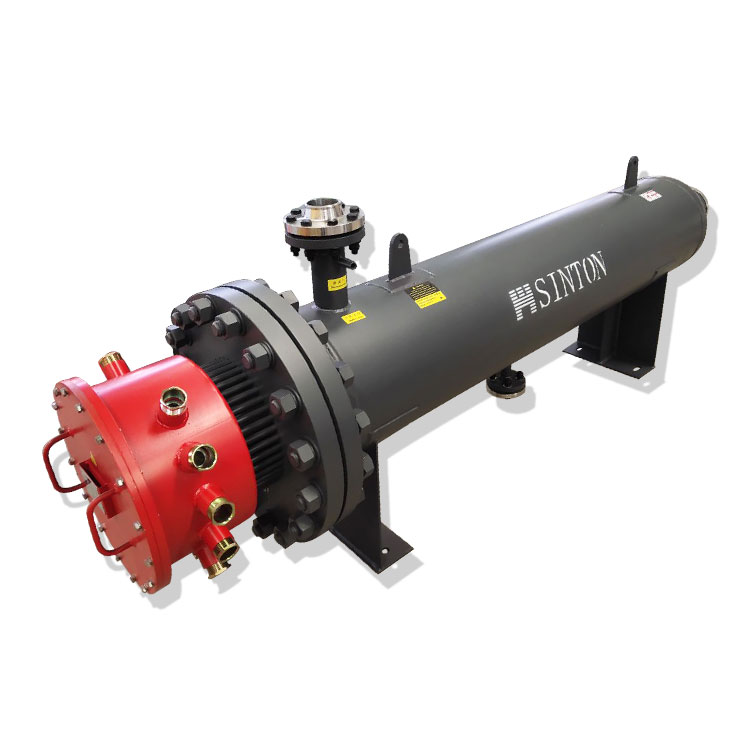
For example, immersion heaters used in industrial oil tanks often operate at temperatures between 50°C and 150°C, depending on the oil type. However, using a standard domestic Immersion Heater for such purposes is not recommended without verifying compatibility.
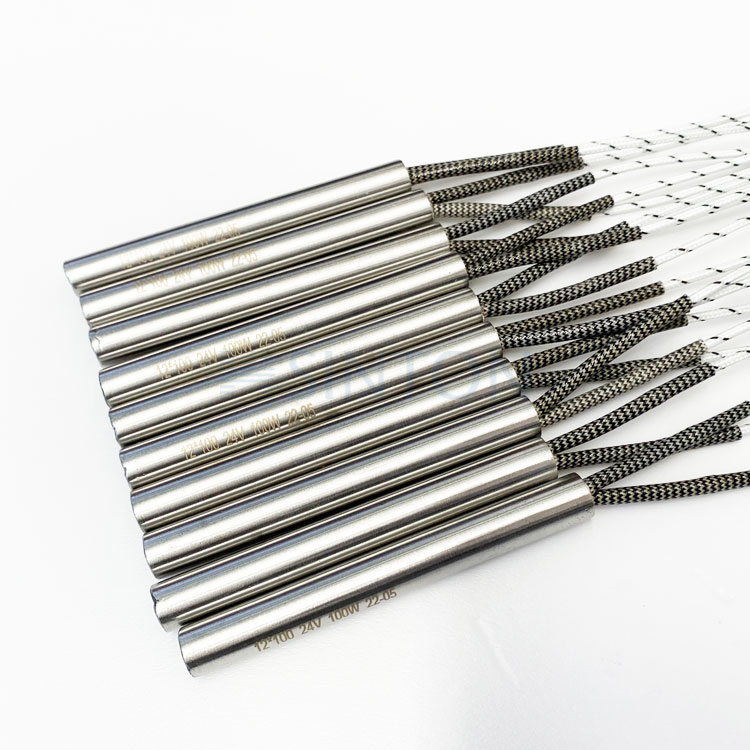
The material of an Immersion Heater plays a critical role when heating liquids other than water. Common sheath materials include copper, stainless steel, and Incoloy alloys.
Using the wrong material can reduce heater lifespan by up to 50% due to corrosion or scaling. For instance, copper elements may corrode quickly in acidic solutions, while stainless steel performs better in mildly corrosive environments.
| Material | Best Use | Limitations |
|---|---|---|
| Copper | Water, mild liquids | Corrodes in acidic solutions |
| Stainless Steel | Oils, chemicals | Moderate corrosion resistance |
| Incoloy | High-temperature liquids | Higher cost |
Liquids other than water often have different thermal properties. Oils, for example, have higher viscosity and lower thermal conductivity, meaning they heat more slowly and unevenly.
An Immersion Heater used in oil may require 20–30% more time to reach the same temperature compared to water. Additionally, overheating risks increase because heat is not dissipated as efficiently.
Users should also consider boiling points. While water boils at 100°C, many oils can withstand temperatures above 200°C, requiring precise thermostat control to avoid degradation.
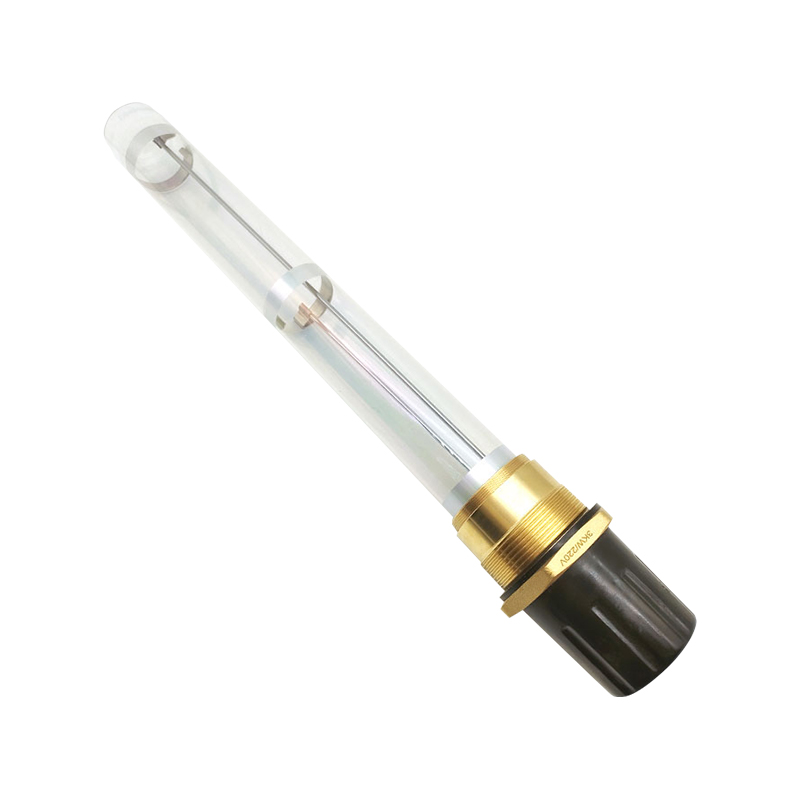
Immersion Heater
Using an Immersion Heater with non-water liquids introduces additional safety concerns. These include fire hazards, chemical reactions, and equipment damage.
Always ensure the Immersion Heater is rated for the specific liquid and operating temperature. Using thermostats, safety cut-offs, and proper insulation significantly reduces risks.
Immersion Heaters are widely used beyond water heating in various industries. These applications demonstrate their versatility when properly configured:
In industrial settings, immersion heaters can operate continuously for over 10,000 hours when used correctly with compatible liquids and materials.
To ensure safe and efficient operation, users should follow these best practices:
Low watt density heaters are often recommended for viscous or sensitive liquids to prevent localized overheating and degradation.
An Immersion Heater can indeed be used for liquids other than water, but only when carefully matched to the liquid’s properties and operational requirements. The key to success lies in selecting the right material, watt density, and safety features.
For casual or domestic users, sticking to water-based applications is safest. However, for industrial or specialized uses, properly engineered immersion heaters provide a reliable and efficient solution for heating a wide range of liquids.
Looking For Business Opportunity?
Request for a call today
WhatsApp: +86-185-5601-8866
Tel: +86-185-5601-8866
E-mail: [email protected]
Address: Sinton Building, No. 886 Yandu Road, Yandu District, Yancheng City, Jiangsu Province
Friendly Link: www.cn-lvdao.com www.sealing-china.com
Products
Message