WhatsApp: +86-185-5601-8866
Heating Equipment
News
2026-02-16
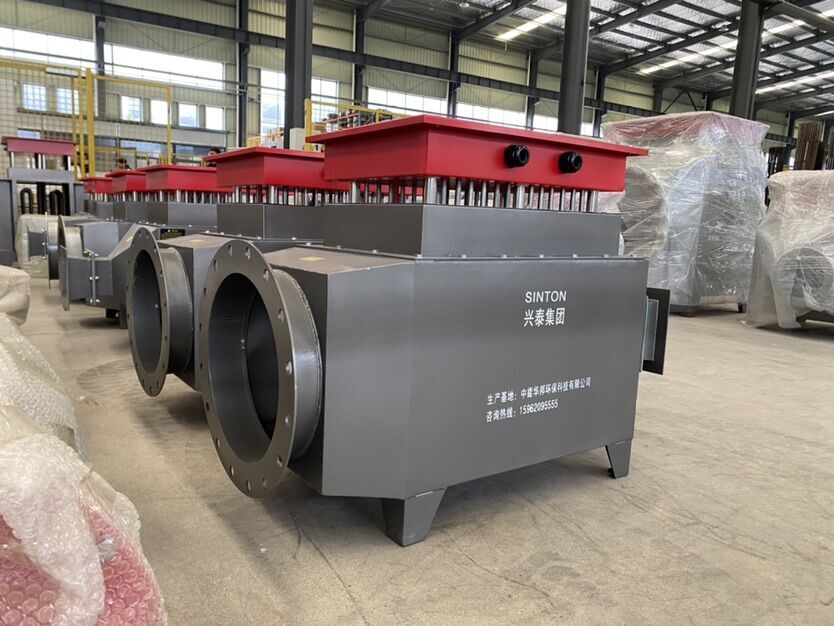
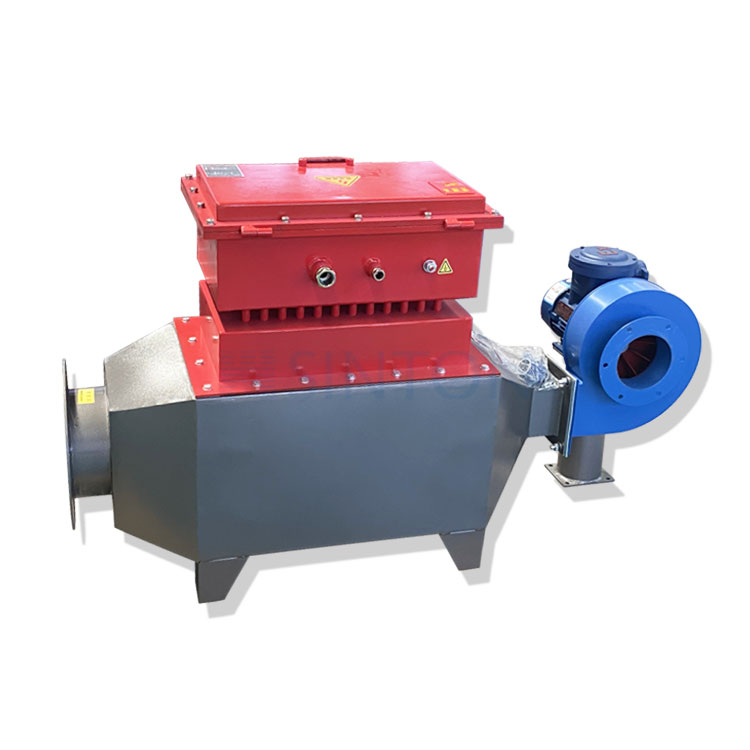
Before integrating an air duct heater into an existing ventilation system, a comprehensive evaluation of available duct space and dimensional compatibility must be conducted to ensure seamless installation and optimal system performance. The heater must precisely match the duct’s cross-sectional dimensions, configuration (rectangular or circular), and airflow capacity to avoid creating restrictions, bypass leakage, or airflow imbalance. Sufficient space must also be allocated for the heater casing, terminal enclosure, mounting hardware, and associated control components. Installation tolerances should be considered to allow proper alignment and secure sealing between the heater and duct sections. Inadequate space can lead to forced modifications of ductwork, increased installation complexity, compromised airflow characteristics, and reduced heating efficiency. Careful measurement and verification of manufacturer specifications are therefore essential to prevent operational inefficiencies and structural conflicts.
Proper airflow stabilization and thermal distribution require specific minimum clearances upstream and downstream of an air duct heater installation. The upstream clearance ensures that air entering the heater is evenly distributed across the heating elements, preventing localized overheating and ensuring uniform heat transfer. The downstream clearance allows heated air to mix properly and prevents excessive temperature concentration that could damage duct materials or downstream components. Manufacturers specify straight duct lengths before and after the heater to reduce turbulence caused by bends, dampers, or transitions. Failure to maintain these clearances may result in inaccurate temperature control, reduced heating efficiency, excessive thermal stress on equipment, and increased safety risks. Therefore, available installation space must accommodate these airflow stabilization requirements.
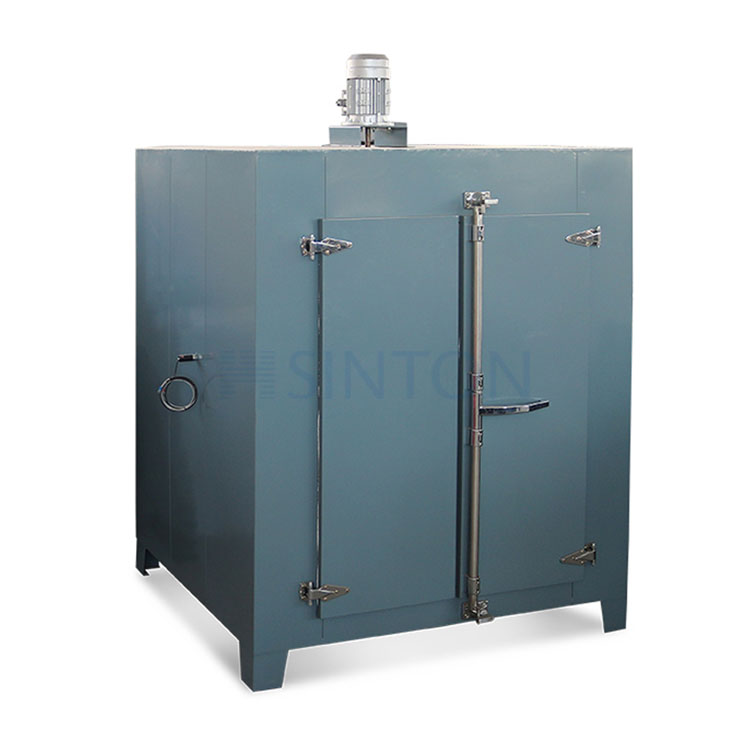
| 型号 | 内腔尺寸 | 出风口径 | 接线组数 | 连接风机 | ||
| mm | mm | 组 | 型号 | 功率(kW) | ||
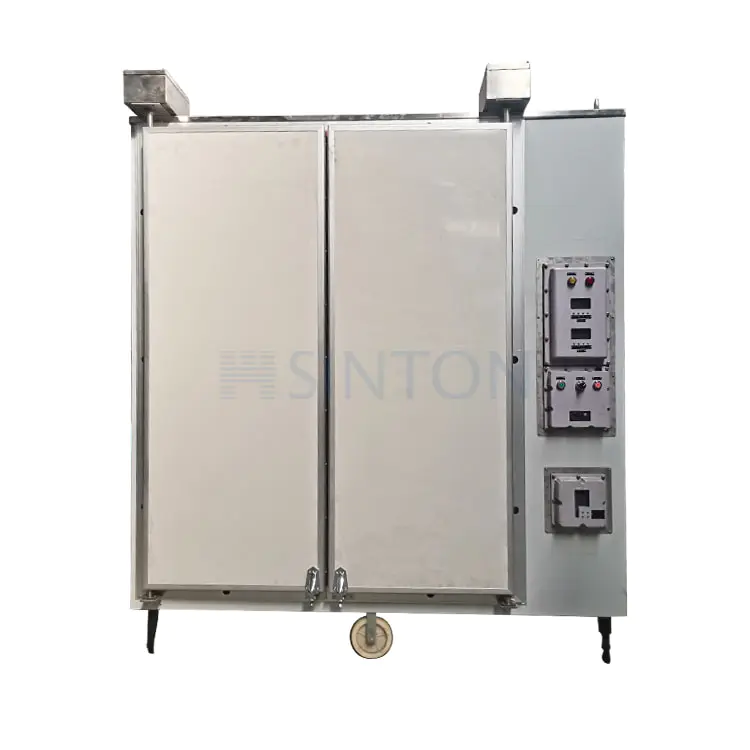
| XTFD-180 | 800×750×500 | DN400 | 4 | 4-72离心风机 | 4.5A | 7.5kW-2P |
| XTFD-200 | 800×750×500 | DN450 | 4 | 4.5A | 7.5kW-2P | |
| XTFD-250 | 1000×750×600 | DN500 | 5 | 4.5A | 7.5kW-2P | |
| XTFD-300 | 1200×750×600 | DN500 | 6 | 4.5A | 7.5kW-2P | |
| XTFD-350 | 900×800×900 | DN500 | 7 | 5A | 15kW-2P | |
| XTFD-400 | 1000×800×900 | DN600 | 8 | 5A | 15kW-2P | |
| XTFD-450 | 1100×800×900 | DN600 | 9 | 5A | 15kW-2P | |
| XTFD-500 | 1200×800×900 | DN600 | 10 | 5A | 18.5kW-2P | |
| XTFD-600 | 1400×1000×1000 | DN600 | 12 | Y5-47锅炉风机 | 6C | 18.5kW-2P |
| XTFD-800 | 1800×1000×1000 | DN600 | 16 | 6C | 30kW-2P | |
| XTFD-1000 | 2200×1000×1000 | DN600 | 20 | 7C | 30kW-2 | |
The structural integrity of the duct system and surrounding infrastructure must be evaluated to ensure that it can support the mechanical load of the air duct heater, including its weight, vibration forces, and operational stresses. Installation may require reinforced duct sections, external support brackets, or dedicated mounting frames to maintain mechanical stability. Proper support prevents duct deformation, joint failure, and air leakage, which could otherwise compromise system performance and safety. Vibration isolation measures may be necessary to reduce mechanical stress and noise transmission throughout the HVAC system. Structural planning must consider both static and dynamic loads to ensure long-term reliability and operational stability.
The installation of an air duct heater, particularly electric models, requires adequate electrical infrastructure to support its operational demands. This includes verifying available power supply capacity, voltage ratings, current requirements, and phase configuration. Dedicated circuits, circuit breakers, disconnect switches, and protective devices must be provided to ensure safe operation. Sufficient space must also be allocated for electrical panels, control wiring, grounding arrangements, and terminal connections. Wiring routes should be planned to avoid exposure to excessive heat or mechanical damage. Compliance with local electrical codes and industry safety standards is mandatory to prevent electrical hazards, ensure system reliability, and facilitate future maintenance or upgrades.
Adequate service access must be incorporated into the installation design to enable routine maintenance, inspection, cleaning, and replacement of components associated with the air duct heater. Sufficient clearance should be provided around access panels, terminal boxes, and heating elements to allow technicians to perform maintenance safely and efficiently. Restricted accessibility may increase maintenance time, raise operational costs, and hinder timely identification of potential faults or safety issues. Proper access planning supports preventive maintenance programs, ensures compliance with operational guidelines, and contributes to extended equipment lifespan and consistent performance.
Correct airflow direction and orientation are critical considerations when installing an air duct heater. The heater must be positioned according to manufacturer-specified airflow direction indicators to ensure proper heat transfer and safe operation. Incorrect installation orientation can lead to uneven heating, overheating of heating elements, reduced efficiency, and potential damage to system components. Installation planning must also account for airflow characteristics within the duct system to ensure uniform distribution across the heating surface. Proper alignment within the duct prevents airflow disruption and supports consistent temperature control throughout the ventilation system.
Looking For Business Opportunity?
Request for a call today
WhatsApp: +86-185-5601-8866
Tel: +86-185-5601-8866
E-mail: [email protected]
Address: Sinton Building, No. 886 Yandu Road, Yandu District, Yancheng City, Jiangsu Province
Friendly Link: www.cn-lvdao.com www.sealing-china.com
Products
Message