WhatsApp: +86-185-5601-8866
Heating Equipment
News
2025-12-23
Even Heat Distribution
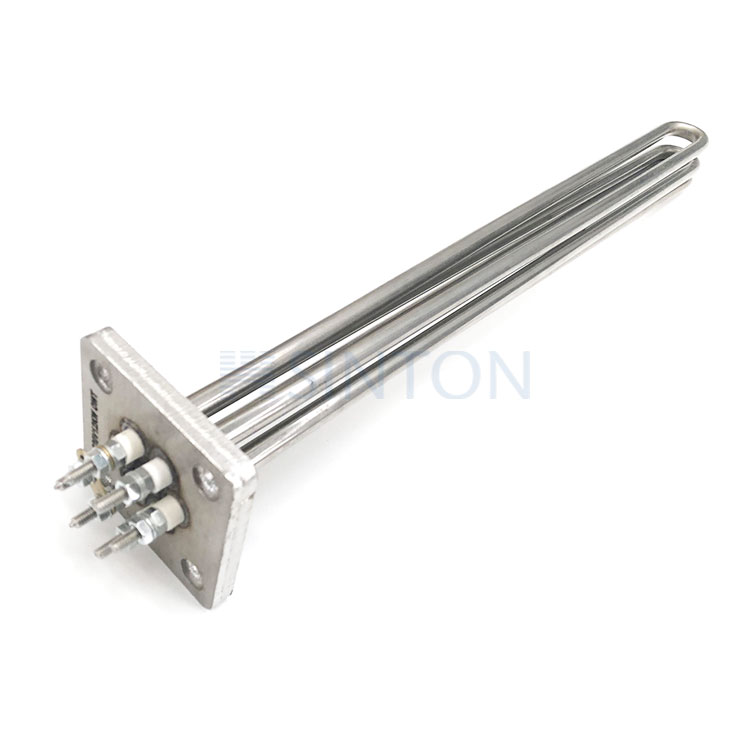
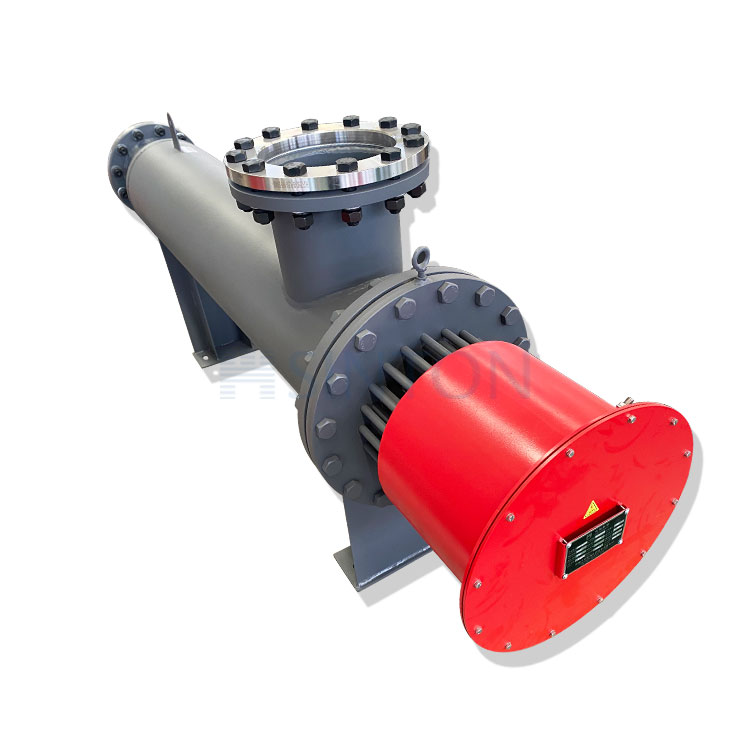
Flanged immersion heaters are designed to provide uniform heat transfer across the entire liquid volume in a tank, which is critical for maintaining consistent process temperatures. These heaters typically feature multiple heating elements arranged strategically to cover a wide area of the tank. Proper element placement is determined by analyzing the tank’s geometry, fluid flow characteristics, and thermal load requirements. The spacing and orientation of the elements ensure that no part of the tank experiences overheating or remains underheated, which can compromise product quality or process efficiency.
The flange-mounted design allows secure attachment and optimal positioning, reducing thermal gradients. When combined with natural convection currents or forced circulation systems, this design achieves a highly uniform temperature profile, even in very large tanks. The careful engineering of element layout ensures that heat is not concentrated in one location, preventing localized boiling, scorching, or thermal stress on the heater elements themselves. This results in consistent and reliable heating performance suitable for industrial processes requiring precise temperature control.
Temperature Sensing and Feedback
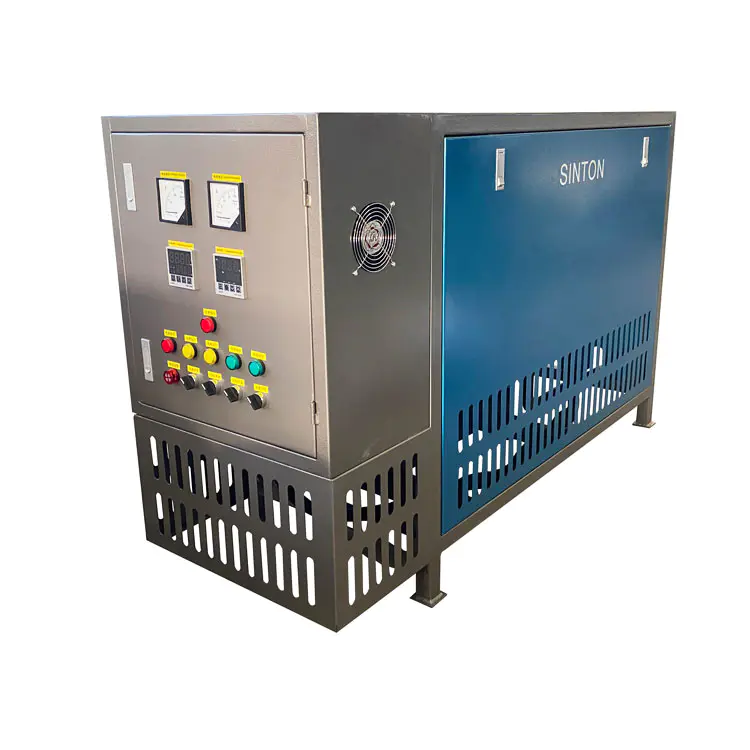
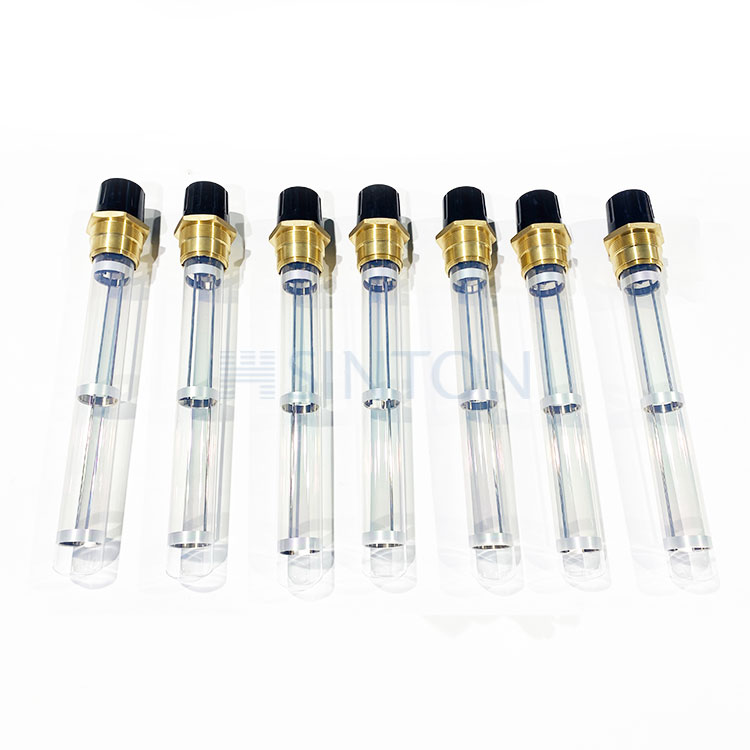
Accurate and continuous temperature monitoring is essential for flanged immersion heaters to maintain precise control over large tank heating processes. These heaters are often integrated with high-quality sensors, such as thermocouples or Resistance Temperature Detectors (RTDs), which provide real-time data on the liquid temperature. The sensors relay this information to the heater’s control system, which can include simple on/off thermostats or advanced Proportional-Integral-Derivative (PID) controllers. PID controllers adjust the power output gradually rather than abruptly, avoiding temperature overshoot or undershoot, which is critical in processes with sensitive fluids. By maintaining a precise feedback loop, the system ensures the target temperature is achieved and maintained consistently, even when external conditions or fluid properties change.
This capability is particularly important in industrial applications where temperature fluctuations can affect product quality, chemical reactions, or energy efficiency. Some systems offer redundant sensors or remote monitoring options, allowing operators to track temperature trends and intervene before deviations occur. Together, these temperature sensing and feedback mechanisms ensure that flanged immersion heaters provide stable, accurate, and repeatable heating performance over extended periods.
Tank Circulation Support
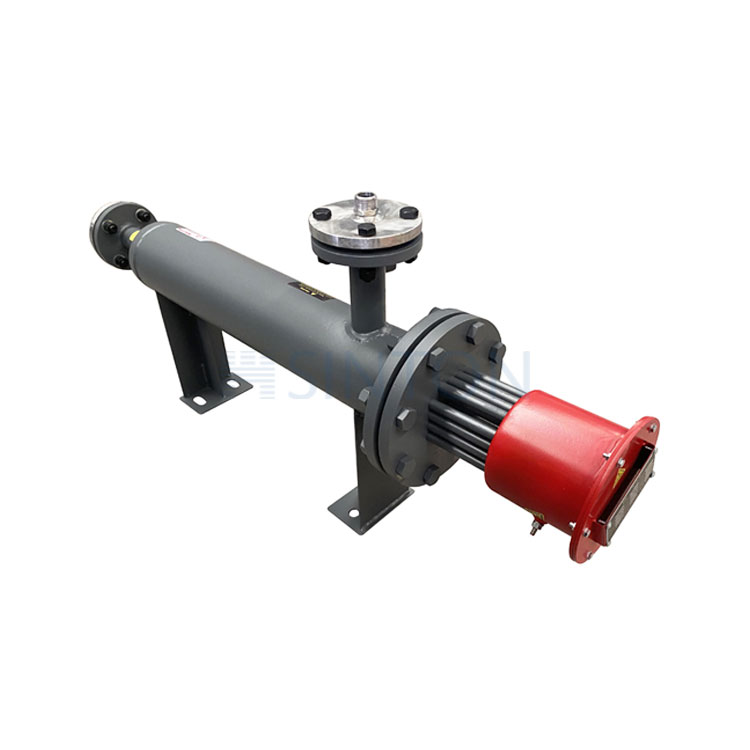
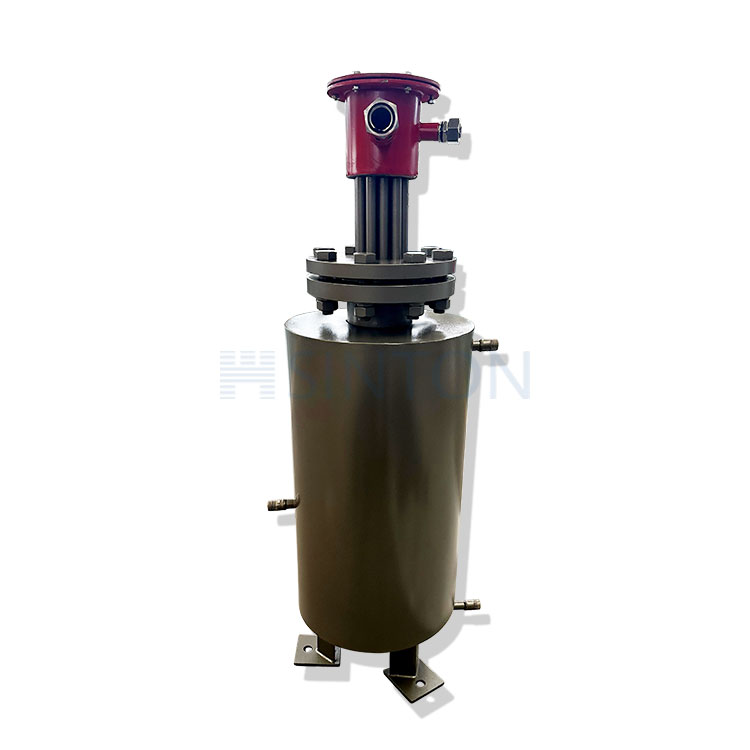
Large tanks present a challenge for maintaining uniform temperature due to the natural tendency of liquids to stratify, forming layers of differing temperatures. Flanged immersion heaters rely heavily on fluid circulation to ensure even heat distribution and prevent hotspots. Circulation can be achieved naturally through convection, where heated fluid rises and cooler fluid sinks, or mechanically using pumps, agitators, or mixing systems to move the fluid actively. The combination of strategic heater placement and effective circulation promotes uniform blending of heated and cooler fluid, eliminating temperature gradients and ensuring consistent process conditions throughout the tank.
Additional design features, such as baffles or diffusers, can be incorporated to guide fluid flow and improve mixing efficiency. Proper circulation not only enhances thermal uniformity but also improves the heater’s efficiency by increasing heat transfer from the heating elements to the fluid. In applications where precise temperature control is critical, such as chemical reactions, food processing, or pharmaceutical production, ensuring adequate circulation prevents localized overheating, fluid degradation, or inconsistent product quality. The interaction between circulation and the heater’s design is therefore a crucial factor in achieving reliable and repeatable thermal performance.
Controlled Watt Density
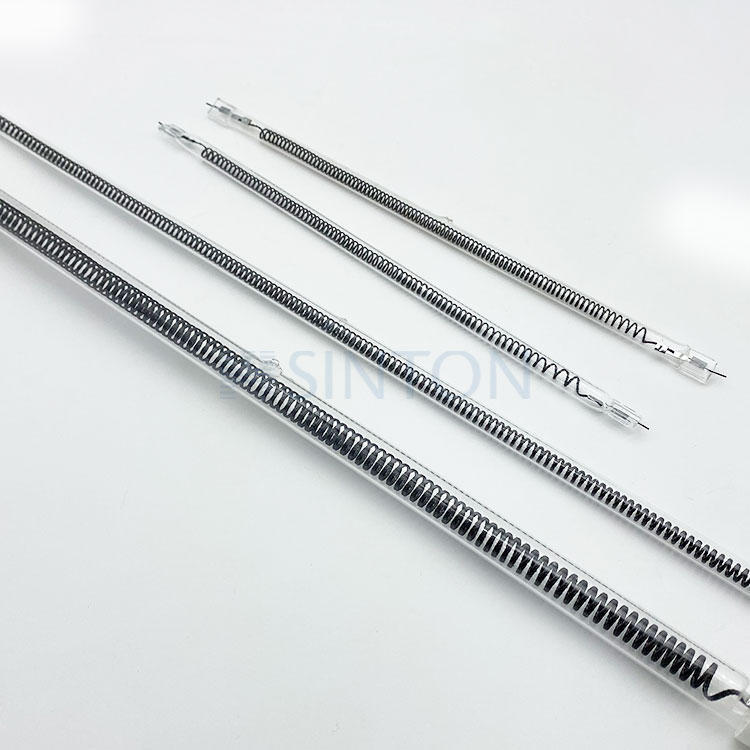
The watt density of a flanged immersion heater—the amount of power per unit surface area of the heating element—plays a pivotal role in temperature control and heater longevity. Properly controlled watt density ensures that the heating elements deliver sufficient thermal energy to reach the desired temperature without causing localized overheating or thermal stress. In large tanks, high watt density can create hotspots that may damage the heater or negatively affect the fluid, especially if it is viscous, corrosive, or heat-sensitive. By carefully selecting the watt density based on the tank size, fluid properties, and process requirements, engineers can achieve efficient, even heating that maximizes energy utilization while minimizing maintenance issues.
Customization options allow for different watt densities in various sections of the heater, optimizing heat distribution for complex tank geometries. Controlled watt density contributes to the overall safety and reliability of the system by preventing overheating, scaling, or burnout of heating elements. This makes flanged immersion heaters adaptable to a wide range of industrial applications, including oil, chemical, water, and food processing industries, where consistent temperature control is critical.
Safety and Cutoff Mechanisms
Maintaining consistent temperature in large tanks also depends on robust safety and protective mechanisms integrated into flanged immersion heaters. High-limit cutoffs are standard features that automatically disconnect power if the fluid temperature exceeds safe operating limits, preventing overheating and potential damage to the tank or the heater itself. Overcurrent protection safeguards the system from electrical faults, ensuring that abnormal conditions do not lead to thermal runaway or premature failure of the heating elements. Many modern heaters also include redundant sensors and alarm systems that alert operators to abnormal temperature trends or system malfunctions, allowing timely intervention before serious issues occur.
These safety mechanisms work in tandem with the heater’s control system, creating a reliable framework for precise and continuous temperature regulation. By incorporating both active and passive protective features, flanged immersion heaters can operate safely under demanding industrial conditions while maintaining consistent and accurate heating performance. This reliability is essential in industries where process continuity, energy efficiency, and product quality are paramount, making flanged immersion heaters a trusted choice for large-scale thermal management applications.
Looking For Business Opportunity?
Request for a call today
WhatsApp: +86-185-5601-8866
Tel: +86-185-5601-8866
E-mail: [email protected]
Address: Sinton Building, No. 886 Yandu Road, Yandu District, Yancheng City, Jiangsu Province
Friendly Link: www.cn-lvdao.com www.sealing-china.com
Products
Message