WhatsApp: +86-185-5601-8866
Heating Equipment
News
2026-05-20
When comparing heat distribution uniformity, an induction-based Pipeline Heater consistently outperforms a resistance-based Pipeline Heater. Induction heating generates heat directly within the pipe wall through electromagnetic fields, eliminating the hot spots and contact resistance gaps that frequently occur with resistance-based systems. However, the right choice depends heavily on your application, budget, and operating environment. This article breaks down the technical differences, real-world performance data, and practical use cases to help you decide.
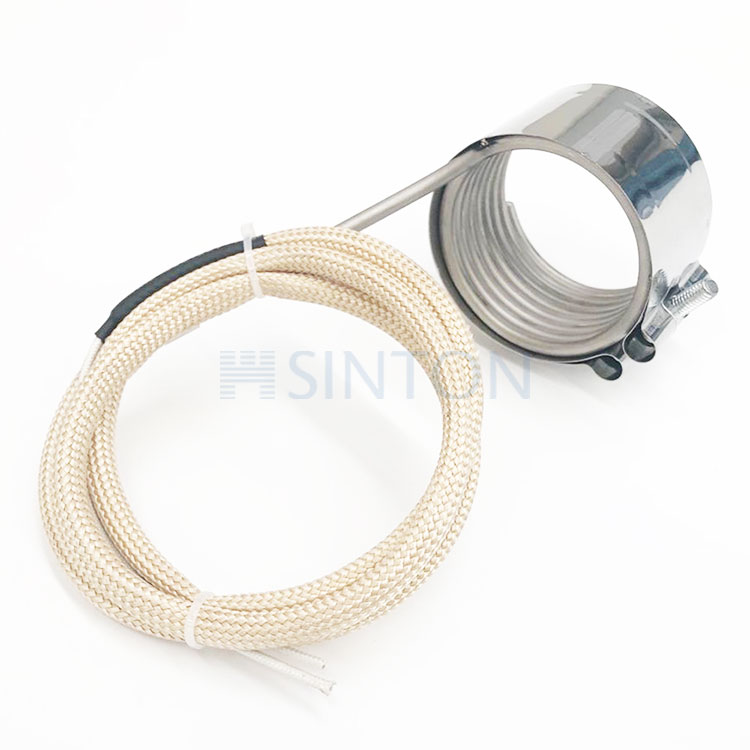
An induction-based Pipeline Heater uses a high-frequency alternating current passed through a coil wrapped around or integrated into the pipe. This generates an electromagnetic field that induces eddy currents directly inside the conductive pipe wall, producing heat from within the material itself. Because the heat source is the pipe wall, thermal energy is distributed circumferentially and longitudinally with exceptional consistency. Temperature variance across the pipe cross-section is typically less than ±2°C under controlled conditions.
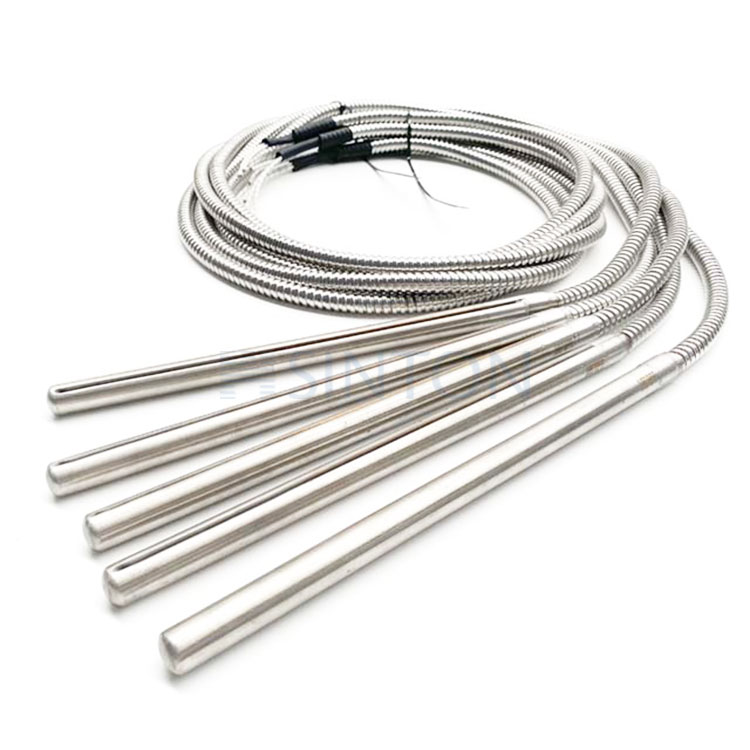
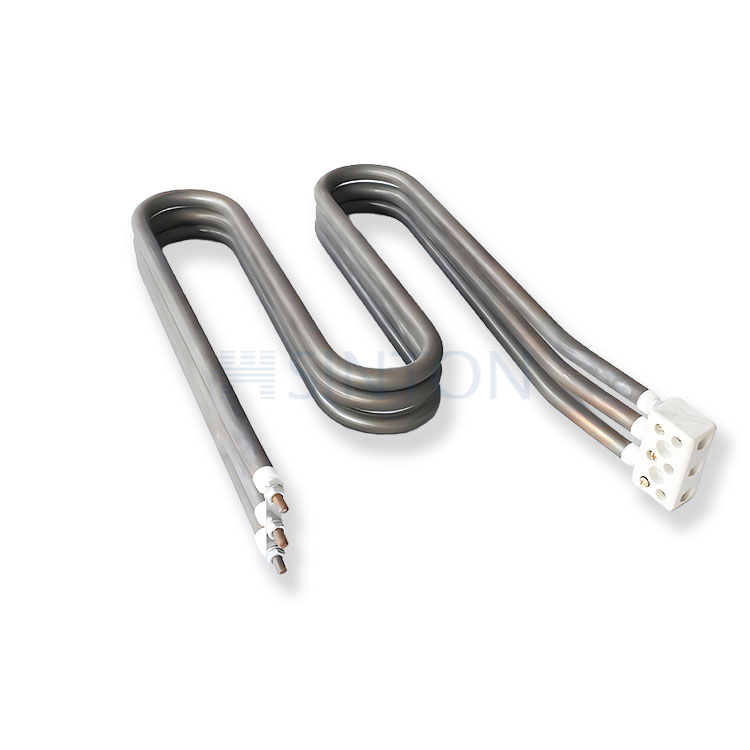
A resistance-based Pipeline Heater — including self-regulating heat trace cables and fixed-wattage mineral-insulated heaters — generates heat by passing electrical current through a resistive element. This element is attached to the outer surface of the pipe. Heat must then conduct through the heater-to-pipe interface and around the pipe circumference. Contact quality, insulation performance, and installation technique all significantly affect distribution. Temperature variance in poorly installed resistance systems can reach ±10°C to ±20°C, particularly at joints, elbows, and valves.
| Performance Factor | Induction Pipeline Heater | Resistance Pipeline Heater |
|---|---|---|
| Heat Distribution Uniformity | ±1–2°C variance | ±5–20°C variance |
| Thermal Efficiency | 90–97% | 75–88% |
| Hot Spot Risk | Very Low | Moderate to High |
| Installation Complexity | High | Low to Moderate |
| Upfront Capital Cost | High | Low to Moderate |
| Maintenance Requirements | Low (no contact elements) | Moderate (cable wear, insulation) |
| Suitability for Long Runs (>1 km) | Excellent | Good (with zoned control) |
| Response Time to Temperature Drop | Fast (2–5 min) | Moderate (5–15 min) |
Uneven heat distribution is not merely a performance inconvenience — in many pipeline systems, it poses a direct operational and safety risk. Consider the following scenarios where uniformity is critical:
This is precisely where the induction-based Pipeline Heater holds a decisive advantage. Its ability to heat the pipe wall uniformly — rather than relying on surface contact and secondary conduction — removes the root cause of hot and cold spot formation.
Despite the uniformity advantage of induction systems, resistance-based Pipeline Heaters remain the dominant choice in many applications — and for good reason. Their lower upfront cost, simpler installation, and compatibility with existing electrical infrastructure make them practical for:
In these contexts, the performance gap in heat distribution uniformity is acceptable, and the cost savings from resistance systems can be substantial — often 40–60% lower in capital expenditure compared to equivalent induction installations.
In practice, Pipeline Heaters — whether induction or resistance — rarely operate in isolation. They are often one component within a larger thermal management system that may include an immersion heater for tank or vessel preheating, flow-through heating units, or air-side solutions such as an air duct heater to condition the ambient environment around exposed pipeline sections in cold climates.
For example, in a refinery or petrochemical plant, a common configuration involves:
Understanding how each heating component contributes to the overall system ensures that the Pipeline Heater — induction or resistance — is specified correctly for its role rather than being over- or under-engineered.
Use the following criteria to guide your selection between an induction-based and resistance-based Pipeline Heater:
For heat distribution uniformity, the induction-based Pipeline Heater is the clear technical superior. Its volumetric heating mechanism eliminates contact-dependent heat transfer and delivers consistent pipe-wall temperatures that resistance systems simply cannot match, particularly on longer runs or with challenging fluid types. However, the resistance-based Pipeline Heater remains a cost-effective, reliable workhorse for the vast majority of industrial freeze protection and standard temperature maintenance applications.
The decision should ultimately be driven by your specific temperature uniformity requirements, fluid characteristics, pipeline length, and total cost of ownership — not by technology preference alone. When uniformity is non-negotiable, invest in induction. When it is secondary to simplicity and cost, resistance heating delivers proven, dependable results.
Looking For Business Opportunity?
Request for a call today
WhatsApp: +86-185-5601-8866
Tel: +86-185-5601-8866
E-mail: [email protected]
Address: Sinton Building, No. 886 Yandu Road, Yandu District, Yancheng City, Jiangsu Province
Friendly Link: www.cn-lvdao.com www.sealing-china.com
Products
Message