Industrial Fiberglass Sleeve OEM/ODM

Home / Browse Products / Spart Parts / Fiberglass Sleeve

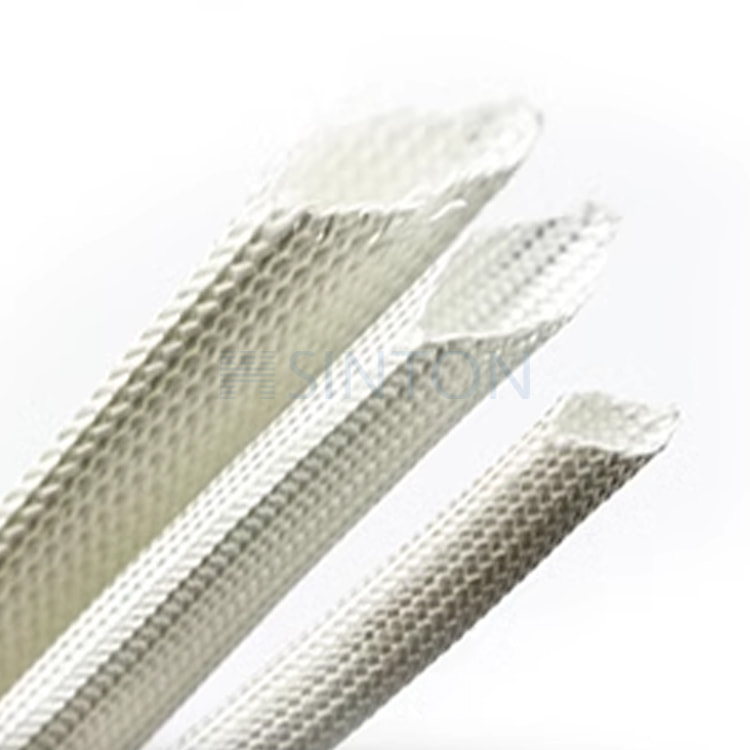
Sinton Fiberglass Sleeves are made of good E-glass fiber and offer a good ratio of strength to weight, flexibility, and thermal resistance. The maximal stiffness, good torsional stability, and good compressive strength are given by biaxial braiding. This qualifies them as exceptional for straight as well as irregularly shaped components. These sleeves are made from E-Glass fiber, which features high tensile strength and properties of low electrical conductivity, coupled with good thermal resistance. This ensures the sleeves are capable of withstanding the temperature of up to 1000°F (538°C), in times of extremely hot environments. Sinton Fiberglass Sleeves are highly resistant to heat and are flexible and durable, unlike other kinds of insulating materials. In many cases, they're pretty insulating and bear up well against very high temperatures or mechanical stress; however, sleeves made from silicone or rubber don't provide very good insulation.

Industrial Fiberglass Sleeve Suppliers

How It Works

Sinton fiberglass sleeves work in such a way that they offer a protective layer to act as insulation from high temperatures, mechanical abrasion, and chemical protection. Its construction is contrived with a unique braiding design that allows easy application over different shapes of a component, enhancing performance and life by making a tight fit over the parts.

Product Function

The main function of these sleeves is to provide a thermal insulating and mechanical protecting edge. Generally, these are the sleeves used for high-temperature resistance to abrasion and chemical destruction, referring to wiring hoses or many components in industries.

Heater Mounting Options

Simple and easy to slip over your heaters, cables, and wires to fit tight to the contour of the component. Compatible with a wide range of heating elements to secure the good thermal management plan that you want for your use.

Considerations When Selecting Fiberglass Sleeve

Temperature Resistance: Ensure the sleeve can withstand the operating temperatures of your application.

Size and Flexibility: Select a sleeve with the appropriate diameter and flexibility to fit over the components.

Chemical Resistance: Consider the environmental conditions, including exposure to chemicals or solvents.

Design Advantages

Higher temperature: resistant to continuous heat to high temperatures of up to 601°F and withstands short-time heat shock up to 1141°F.

The other features of this flexible and strong braid include a braided design with good mechanical wear resistance and abrasion resistance.

Non-Fraying: Designed for easy cutting and installation without fraying.

Sinton Fiberglass Sleeves give a good solution for companies in need of reliable, quality class insulating material, customized according to their requirements. goodly, the good characteristics of the material, high possibilities of customizing, and professional service make Sinton a preferred partner in the field of industrial insulation.

Application

It is recommended that if direct contact with any of these chemicals or high temperatures in sleeves is anticipated in the application, the selection of the sleeve should be based on chemical compatibility and the greatest temperature rating. This insulation finds use, apart from thermal insulation, in nature protections for applications, including aerospace, automotive, industrial machinery, and electrical equipment against heat, abrasion, or even damage from chemicals.

Customized Options

All that is offered by Sinton, in terms of the sleeve diameter, color code for easy identification, and lengths, will all be tailored toward the requirements of your projects.

Features and Benefits

●Superior Heat Resistance: Protects components in temperatures up to 2000°F.

●Chemical and Abrasion Resistance: Offers longevity in harsh environments.

●Flexibility: Easily conforms to various shapes, ensuring a tight and secure fit.

●Customizable: Available in a range of sizes and specifications to meet diverse application needs.

Fiberglass Sleeve

Use video

ask for quote

By clicking Sign Up you're confirming that you agree with our Terms and Conditions.

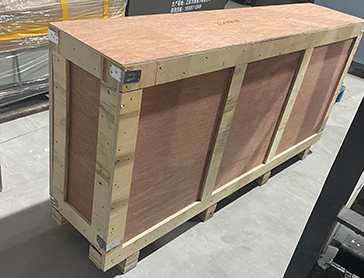
Shipment

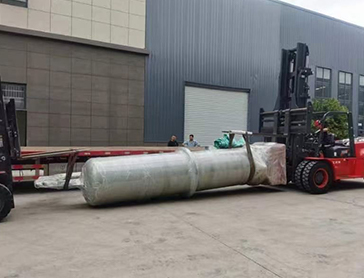
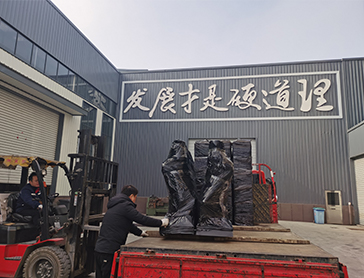
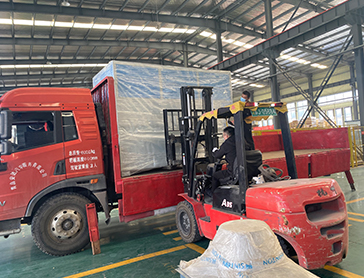
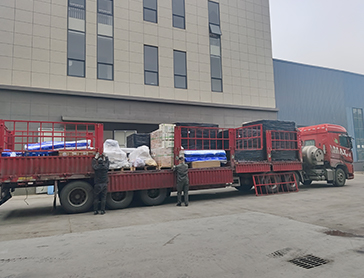
provides customers with quality and safe transportation.

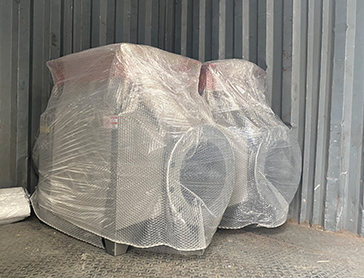
air duct heater package

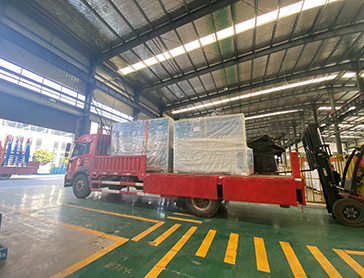
Heater equipements LCL shipment

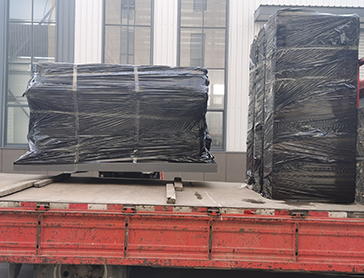
heater packed on steel pallet

Immersion heater packing1

LCL loading 3

LCL shipment loading 2

LCL shipment

plywood package 2

FAQs

If you have any questions, please feel free to contact us.

Contact
  • What are the key components of an inline heater, and what optional features can enhance its functionality?
    The inline heater can have a heating element, a sheath, and thermal insulation. It may also comprise a pump unit that the heated fluid passes in loops around the heating element. The heated fluid will pass out from the outlet nozzle. Some systems have thermocouple sensors that have a different placement for the purpose of fluid temperature sensing apart from controlling the system, which can range from basic on/off control to adjustable temperature settings. Optionally, the following is available: moisture-proof or explosion-proof casing, various types of flanges, and special mounting equipment, all of which combined will highly enhance the durability, safety, and adaptation of the heater to different surroundings.
  • What role do inline heaters play in the flushing process, especially for control and umbilical lines?
    Inline heaters are also important for the heating of oil to proper viscosity for flushing. This is necessary in the efficient cleaning of control and umbilical lines that may have very small diameters and be quite long. An engineer selects the right oil for each case; all in excess, debris and buildup are removed duly. In the context of the maintenance process, inline heaters stand out as the more suitable, since the mode of heat transfer is very efficient and hence it is very handy for the maintenance process.
  • What are the key applications and benefits of inline heaters in water heating?
    Inline heaters are extensively used for heating clean water for various purposes, including industrial washing and food processing, where stainless steel flanges and Incoloy sheaths are preferred for their corrosion resistance and safety. The selection of an inline heater is determined by the water flow rate and heating element specifications, such as wattage and heating area capacity. Their ease of cleaning and maintenance makes them particularly attractive for water heating applications.
About sinton
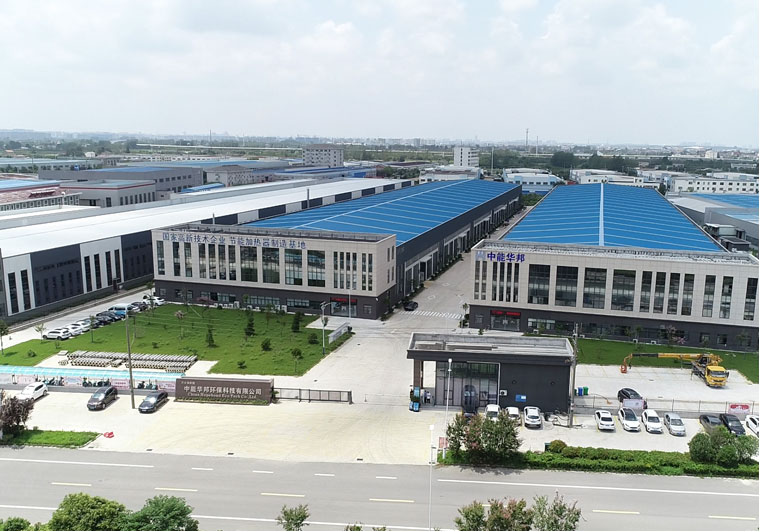
Jiangsu Sinton Group Co.,Ltd.
Sinton Group was founded in 2001 and is a one-stop supplier specializing in industrial heat solutions, headquartered in Yancheng, Jiangsu, China (2 hours by high-speed rail / 1 hour by flight from Shanghai).
The Group comprises 12 subsidiaries. Its core member, Sinton Electric Co., Ltd., has more than 20 years of experience in manufacturing industrial heating equipment and design. Our business spans over 120 countries and regions, serving more than 60,000 clients. We provide complete solution chains from initial design and heater supply to installation guidance.
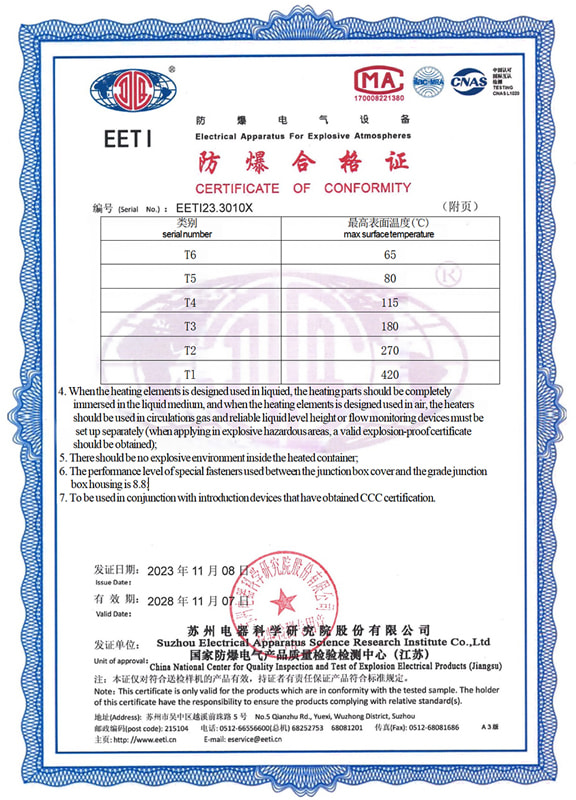
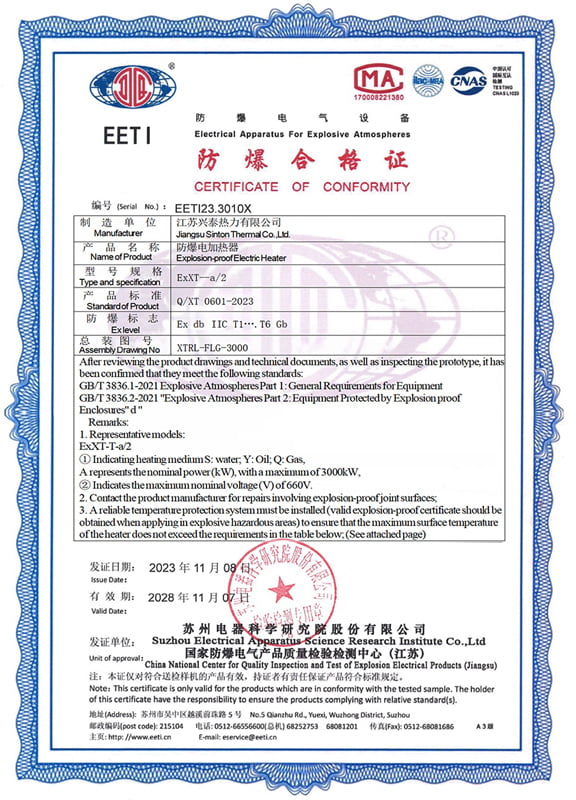
Sinton is supported by a vast base featuring 20,000 sqm dedicated to production and R&D, and 10,000 sqm for integrated headquarters and logistics. Full system certifications: EAC, Ex, CE, ISO, and Pressure Vessel Design/Manufacture License, etc. 200+ patented technologies. Graphene-Nano Quartz Electric Tubular Heating Element (Provincial Innovation Gold Award). Sinton has contributed to the development of Chinese heater industry standards.
Sinton's heaters are mainly used in Industrial Equipment, Petroleum and Minerals, Machinery, dyeing and printing, tool manufacturing; Light industry and textiles, industrial consumables, plastic machinery, medical machinery, equipment and heavy industry; Construction design, Precision processing, Energy services, Engineering construction, and Drying services.
Certificate Of Honor
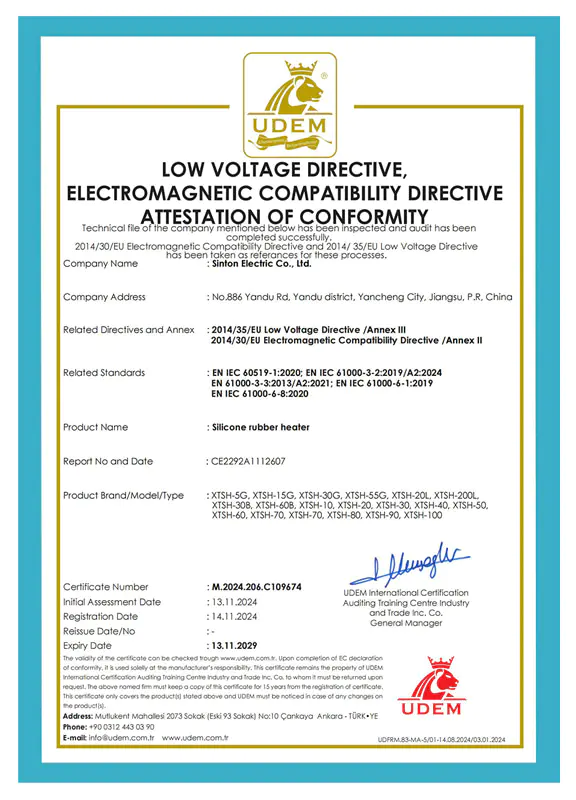
  • Certificate Of Conformity
  • Explosion-proof Electric Heater
  • Silicone Rubber Heater
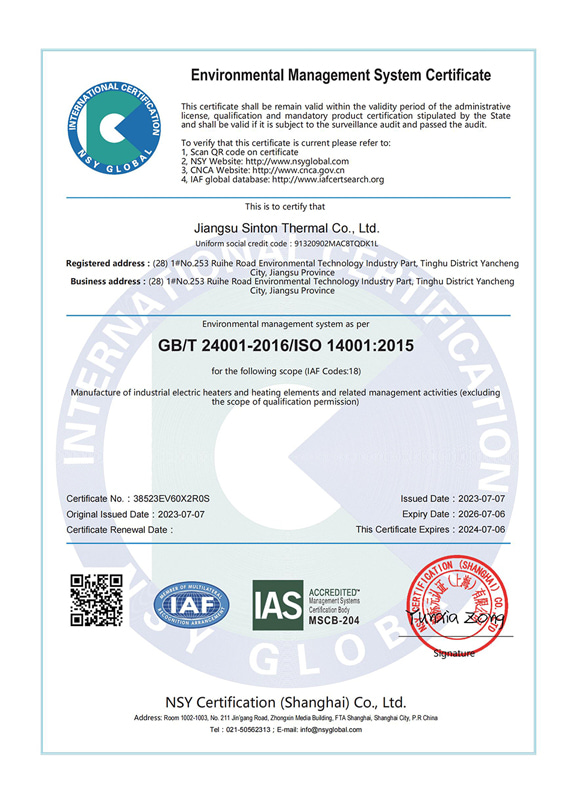
  • Environmental Management System Certificate
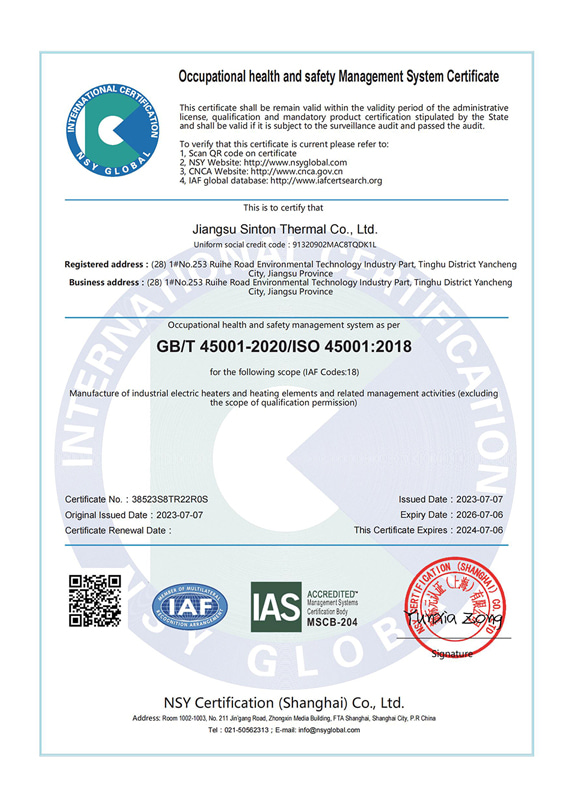
  • Occupational health and safety Management System Certificate
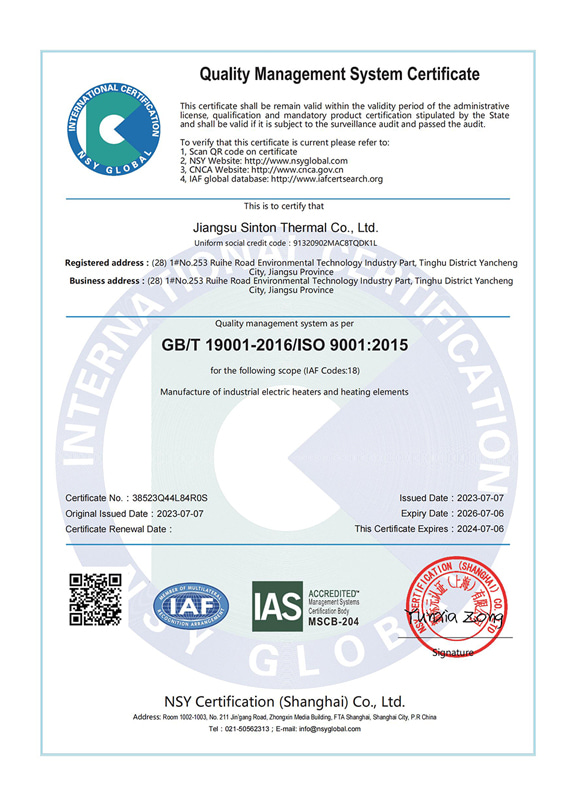
  • Quality Management System Certificate
News
Fiberglass Sleeve Industry knowledge
Introducing Fiberglass Sleeve

The basic structure of Fiberglass Sleeve is a tubular structure composed of fiberglass braided layers. The surface is coated with organic or inorganic materials as a coating, and a sheath material is added to the outside to increase mechanical strength and wear resistance. Its special structure makes the fiberglass casing have the advantages of good insulation performance, high temperature resistance, wear resistance and corrosion resistance, light weight and softness, easy processing and installation, environmental protection, non-toxic and high tensile strength, so it is widely used in electrical, electronics, automobiles , aerospace and other fields of wire harness insulation, protection and wrapping purposes.