WhatsApp: +86-185-5601-8866
Heating Equipment
News
2026-04-20
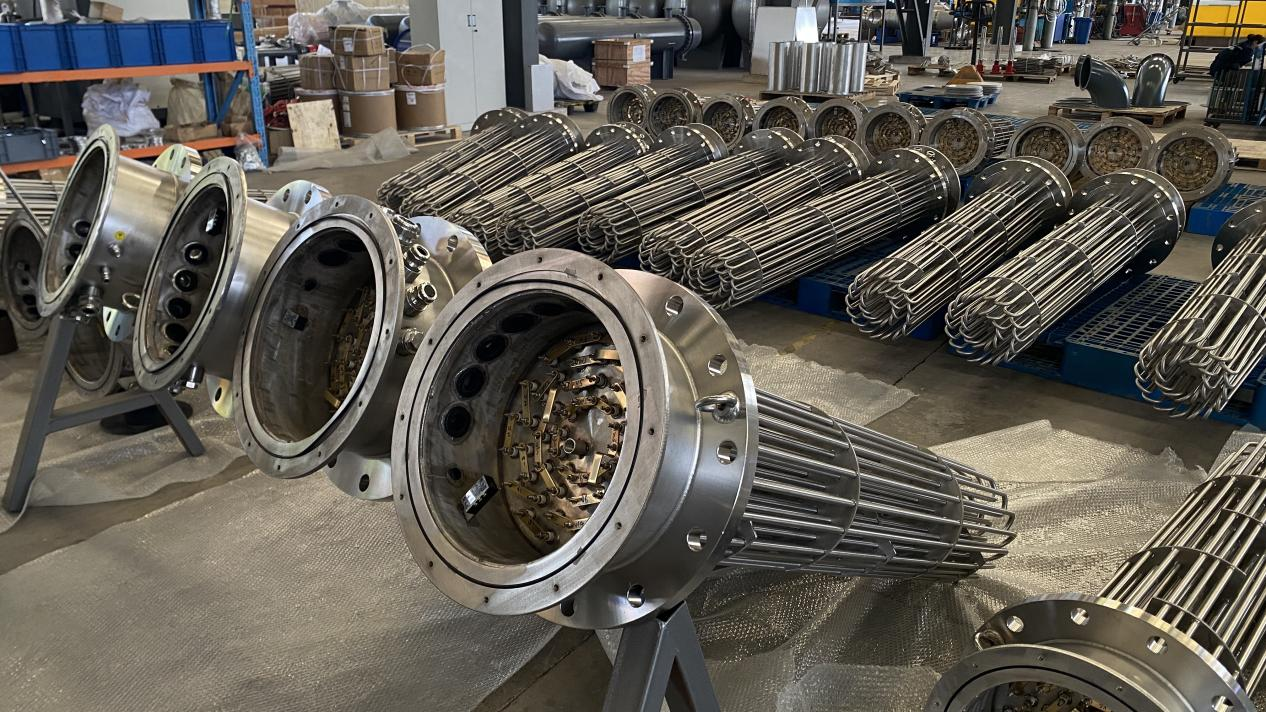
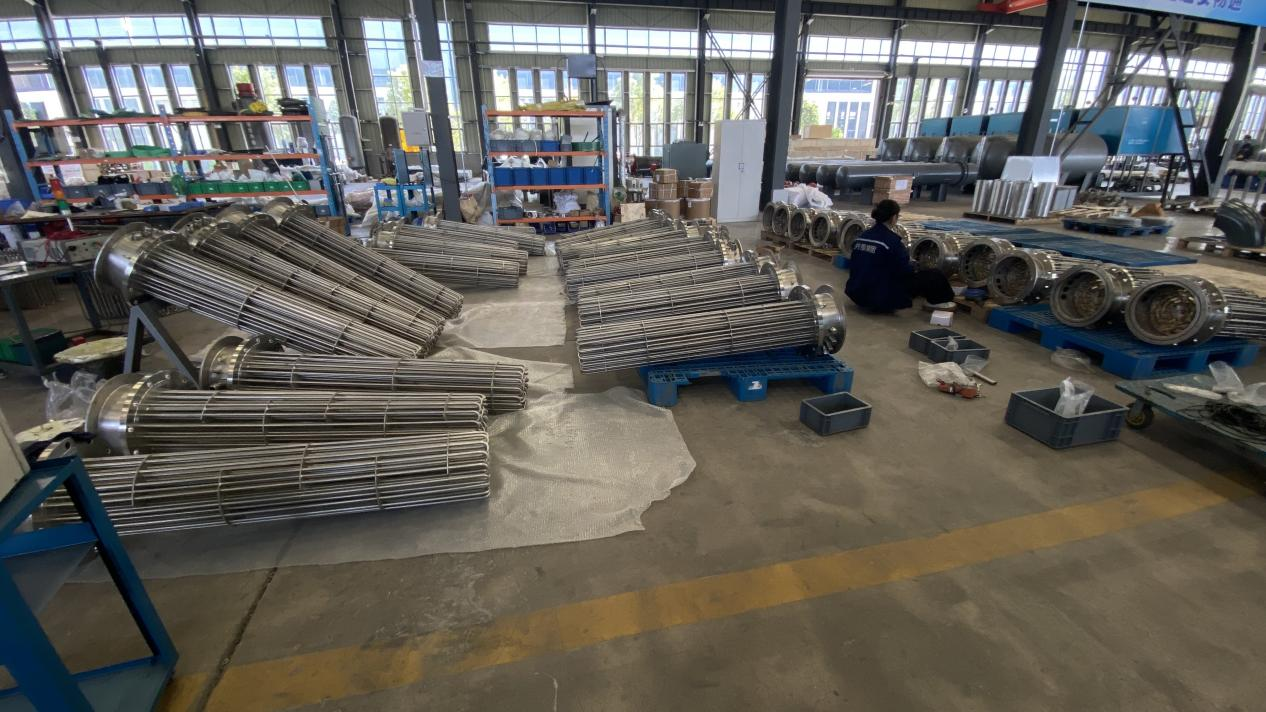
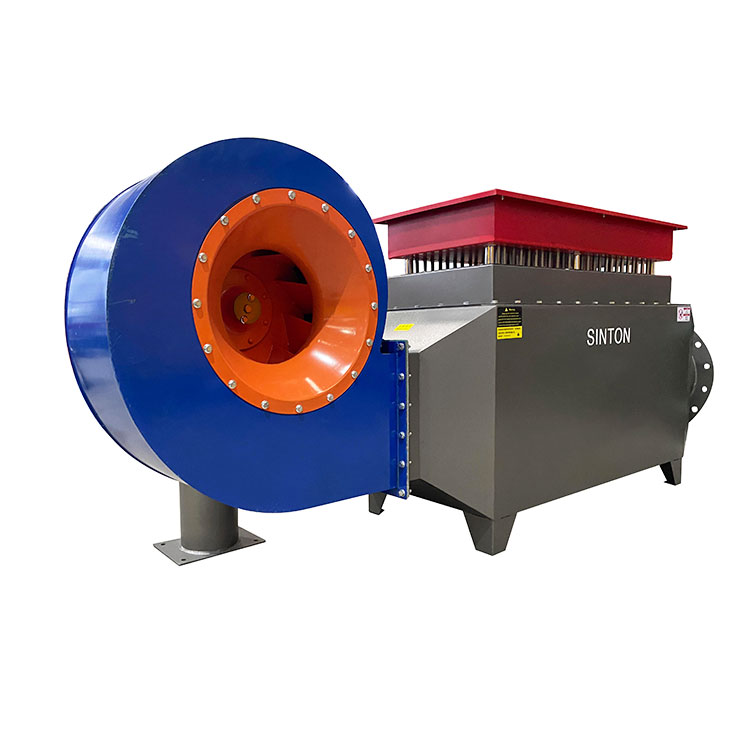
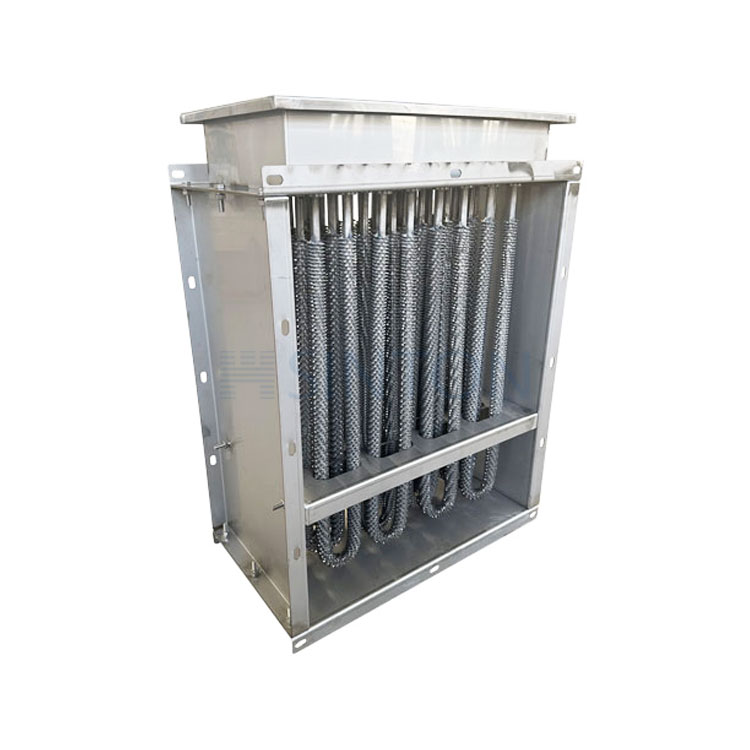
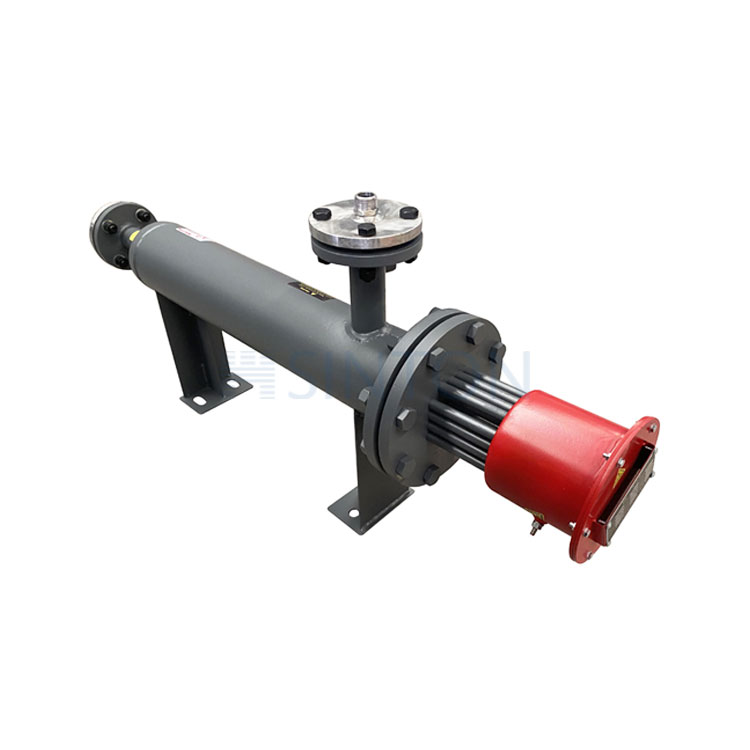
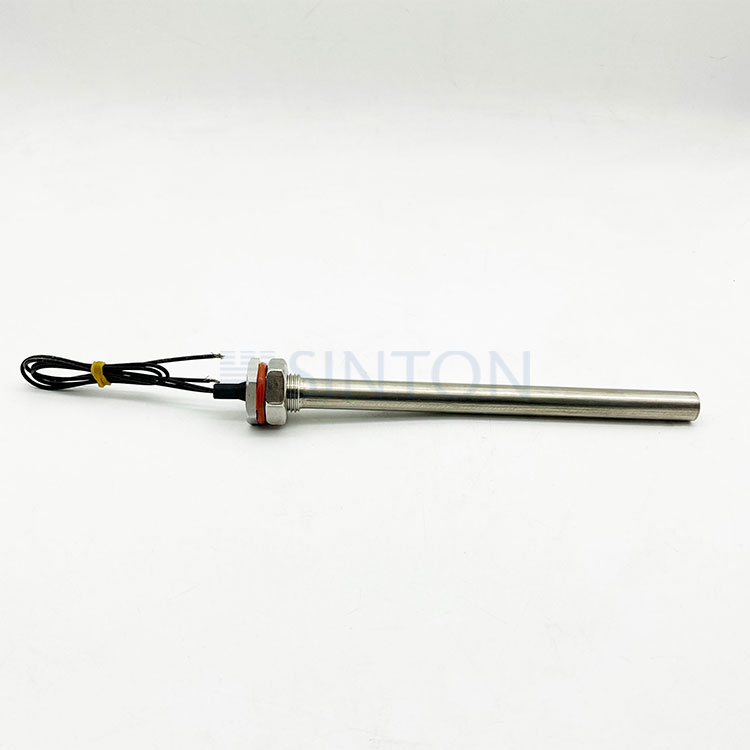
In the realm of industrial thermal management, flanged immersion heaters serve as the primary actuator for bulk liquid and gas heating. As global process industries mandate stricter thermal efficiency (ηth) and temperature field uniformity (ΔTmax) metrics, Sinton leverages the convergence of materials science and heat transfer engineering to redefine the performance baseline for flange heater technology in 2026.
A flanged immersion heater is not a mere heating element; it is a precision-engineered thermodynamic assembly. Sinton's technical differentiation is built upon three fundamental engineering pillars:
The service life (Tservice) of a heating element is primarily dictated by the high-temperature mechanical stability and corrosion resistance of its sheath material. Sinton standardizes on the following high-performance alloy systems:
Incoloy 800/840: Delivering superior resistance to high-temperature oxidation (up to 1100°C) and carburization, optimized for carburizing atmospheres in cracking furnaces and hydrocarbon processing reactors.
SUS 316L / 310S: 316L provides exceptional resistance to pitting and crevice corrosion in halide-containing media (e.g., sour crude), while 310S offers high creep rupture strength at extreme operating temperatures.
This targeted material selection mitigates accelerated metal wastage and extends the Mean Time Between Failures (MTBF) by up to 40% compared to conventional austenitic stainless steel sheaths.
A core competency of Sinton flange heaters is the ability to sustain high watt densities (W/cm²) within a minimized geometric footprint without compromising element integrity. This is achieved through:
High-Purity MgO Dielectric: Utilizing 99.7% pure, highly compacted Magnesium Oxide as the dielectric insulation layer. This ensures maximum thermal conductivity (k ≈ 45 W/m·K at 500°C) and optimal dielectric strength, facilitating rapid heat transfer from the resistance wire to the sheath wall.
Precision-Wound Resistance Coils: Engineered coil stretch ratios maintain consistent resistance per unit length, ensuring a uniform heat flux distribution (q = P / πdL) across the entire active heating zone.
This engineered thermal profile effectively eliminates localized "hot spots"—the primary failure mechanism for premature element burnout in viscous or stagnant fluid applications.
In process environments where operational safety is non-negotiable, terminal enclosure integrity is critical. Sinton flange heaters feature:
Proprietary Moisture Barrier Seals: Available in high-temperature epoxy or silicone formulations, preventing moisture ingress into the MgO insulation—a leading cause of dielectric breakdown and ground faults.
Heavy-Duty Terminal Enclosures: Rated to NEMA 4X, 7, and 12 standards, ensuring protection against washdown, dust ingress, and combustible atmospheres.
Explosion-Proof Certification: Full compliance with ATEX and IECEx directives for Zone 1 & 2 (Gas) and Zone 21 & 22 (Dust) hazardous environments.
The modularity and thermal robustness of Sinton flanged heaters make them the central heat generation asset across diverse critical processes:
| Industry Sector | Primary Process Application | Sinton Engineering Differentiator |
|---|---|---|
| Petrochemical | Crude oil pre-heating, bitumen/asphalt thermal storage, and sour gas processing. | Application-specific anti-corrosion cladding (e.g., Inconel overlay) engineered for high-sulfur and naphthenic acid crudes. |
| Power Generation | Steam superheating (auxiliary boilers), turbine lube oil warming, and emergency standby heating. | High-pressure flange ratings (ASME Class 150 to 2500 lbs), suitable for elevated system pressures and thermal cycling. |
| Food & Beverage | CIP (Clean-in-Place) systems, pasteurization, and sterile product holding tanks. | Sanitary-grade surface finishes (Ra ≤ 0.8 μm), FDA-compliant food-grade materials, and 3-A Sanitary Standard adherence. |
| Water & Wastewater | Freeze protection, chemical dosing tank temperature maintenance, and sludge digestion heating. | Seamless integration with PID control loops and SSR (Solid State Relay) power switching for precise, stable thermal output (±1°C). |
Beyond off-the-shelf hardware, the definitive Sinton advantage lies in Application-Specific Custom Engineering. Recognizing that no two process vessels share identical thermodynamic profiles, our engineering division performs rigorous heat load calculations based on precise process variables:
Medium Thermophysical Properties: Specific heat capacity (cp), thermal conductivity (k), and density (ρ) across the operating temperature range.
Target Thermal Ramp Rate: Calculated heat load (Q = m · cp · ΔT / t) factoring in required temperature rise time (t) against system thermal losses.
Fluid Dynamic Parameters: Flow velocity profiles, viscosity changes (especially for non-Newtonian fluids like bitumen), and natural convection coefficients for stagnant tanks.
System Heat Losses: Comprehensive accounting for vessel surface radiation and convection losses to ensure the installed power capacity exceeds total process demand.
"At Sinton, we don't just manufacture heaters; we deliver thermal certainty. Our engineering mandate is to ensure that every kilowatt of electrical energy input is converted into productive process heat with quantifiable minimal waste."
Looking For Business Opportunity?
Request for a call today
WhatsApp: +86-185-5601-8866
Tel: +86-185-5601-8866
E-mail: [email protected]
Address: Sinton Building, No. 886 Yandu Road, Yandu District, Yancheng City, Jiangsu Province
Friendly Link: www.cn-lvdao.com www.sealing-china.com
Products
Message