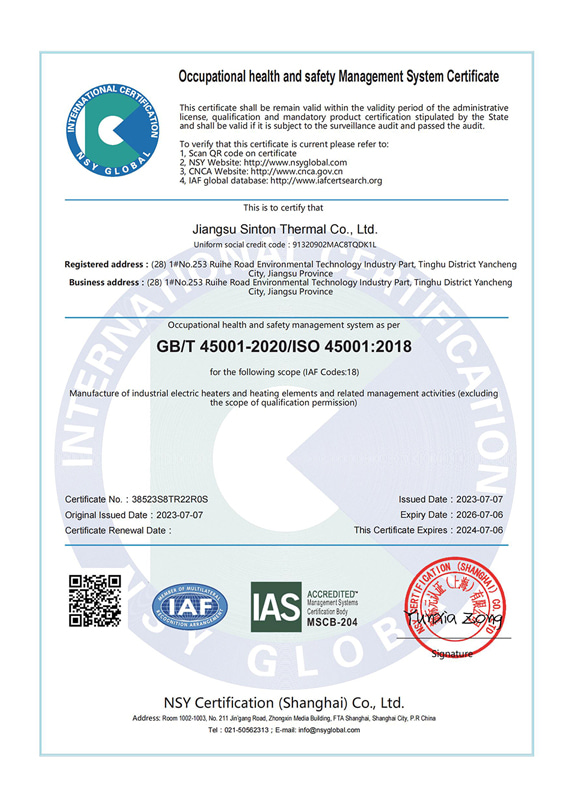
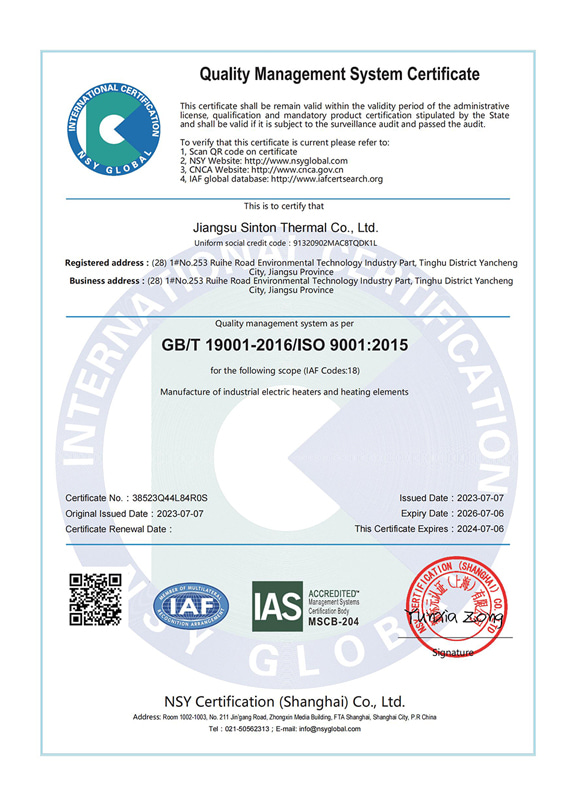
Sinton Group's High Temperature SiC Resistance Heating Elements Solution
With the rapid development of industries such as ceramics, new energy materials, glass manufacturing, powder metallurgy, semiconductors, and heat treatment, the demand for reliable high-temperature heating systems continues to grow.
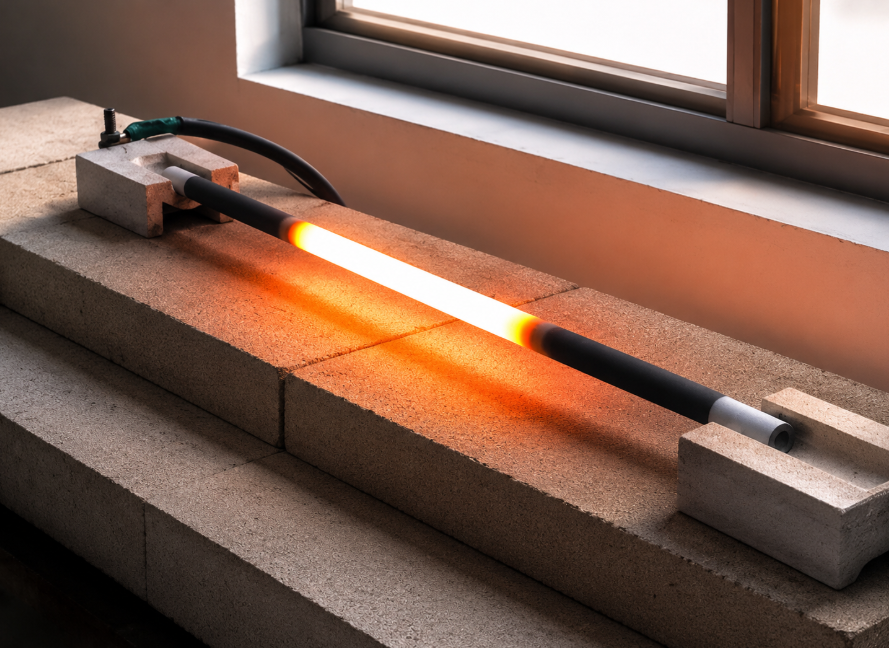
As one of the core components of industrial furnaces, high temperature SiC resistance heating elements, also known as SiC heating elements, silicon carbide heating elements, and silicon carbide heaters, have become some of the most widely used industrial heating elements in modern thermal processing applications.
These advanced electric heating elements offer excellent thermal efficiency, rapid temperature rise, outstanding oxidation resistance, and long service life, making them ideal for high-temperature industrial operations.
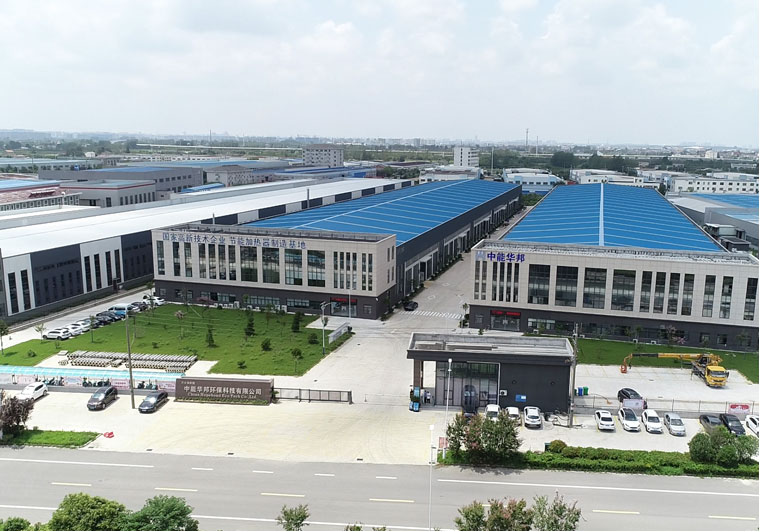
Sinton Group has specialized in industrial electric heating solutions for more than 20 years. We provide high-quality SiC heating elements, silicon carbide heating elements, sic heaters, and customized industrial heating systems for customers worldwide.
Our products are widely used in ceramic sintering, glass manufacturing, powder metallurgy, lithium battery material processing, semiconductor production, laboratory furnaces, muffle furnaces, and heat treatment equipment.
I. Product Introduction
High temperature SiC resistance heating elements are non-metallic electric heating elements manufactured from high-purity silicon carbide (SiC) through a high-temperature recrystallization process.
The working principle of these silicon carbide heating elements is based on the electrical resistance characteristics of silicon carbide material. When energized, they efficiently convert electrical energy into thermal energy and transfer heat throughout the furnace by radiation, conduction, and convection.
Compared with conventional metal heating elements such as nickel-chromium and iron-chromium-aluminum alloys, SiC heating elements can operate at significantly higher temperatures while maintaining excellent stability and durability.
As a result, they have become one of the preferred industrial heating elements for furnaces operating above 1200°C.
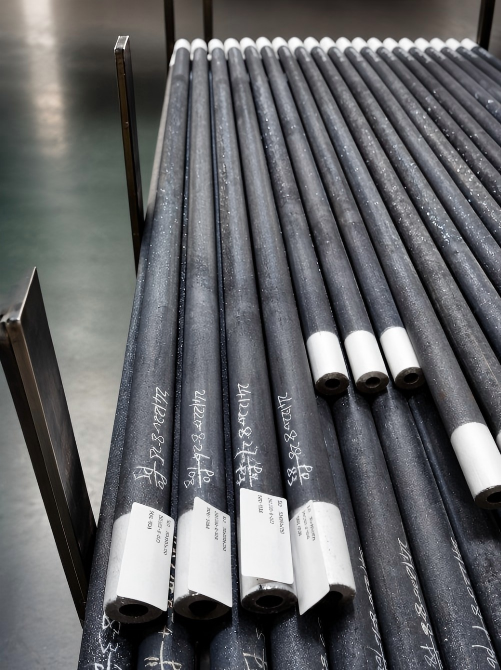
II. Product Advantages
1. Exceptional High-Temperature Performance
The continuous operating temperature of SiC heating elements can reach:
- 1200°C – 1550°C
- Maximum furnace temperature: approximately 1600°C
- Maximum surface temperature: approximately 1650°C
These quality electric heating elements can meet the requirements of most high-temperature industrial heating processes.
2. Rapid Heating Response
Silicon carbide offers excellent thermal conductivity, allowing heat to transfer quickly throughout the furnace.
Benefits include:
- Faster temperature rise
- Reduced preheating time
- Increased production efficiency
- Lower energy consumption
- Improved equipment utilization
3. Excellent Oxidation Resistance
During operation in high-temperature air environments, a dense SiO₂ protective layer forms on the surface of the silicon carbide heater.
This protective film significantly improves oxidation resistance and extends service life.
4. Outstanding Thermal Shock Resistance
Sic heating elements can withstand frequent heating and cooling cycles without cracking.
Suitable for:
- Laboratory furnaces
- Box furnaces
- Intermittent production lines
- Thermal testing equipment
5. Long Service Life
Under proper operating conditions, silicon carbide heating elements typically achieve service lives exceeding 5,000–8,000 hours.
For continuous production lines, this helps reduce maintenance costs and minimize downtime.
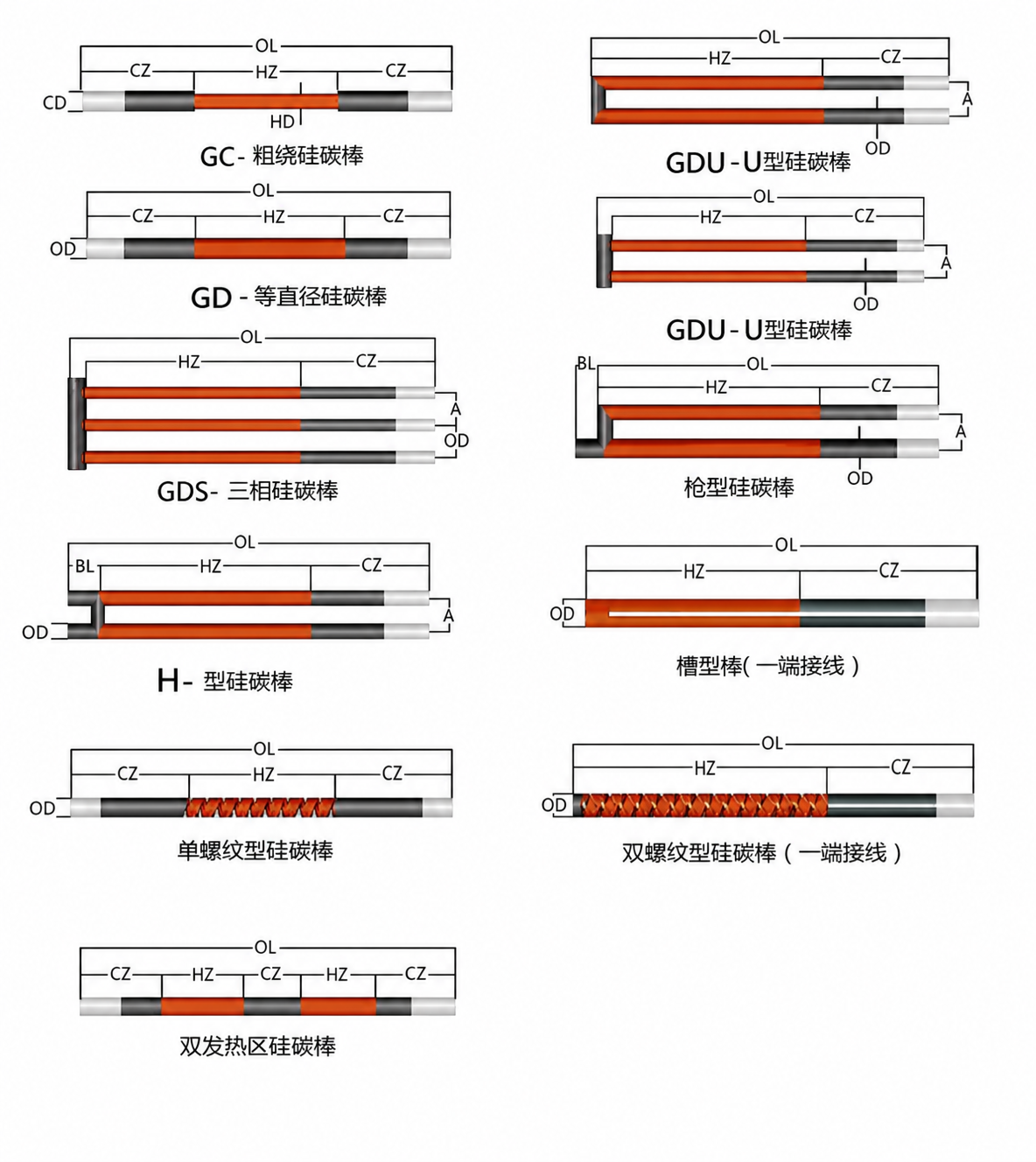
III. Product Classification
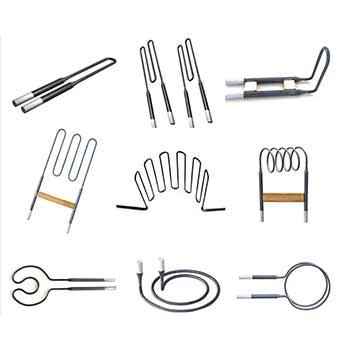
Type D Straight SiC Heating Elements
Features: Most economical design/Easy installation/Wide application range
Applications: Box furnaces/Laboratory furnaces/Ceramic kilns
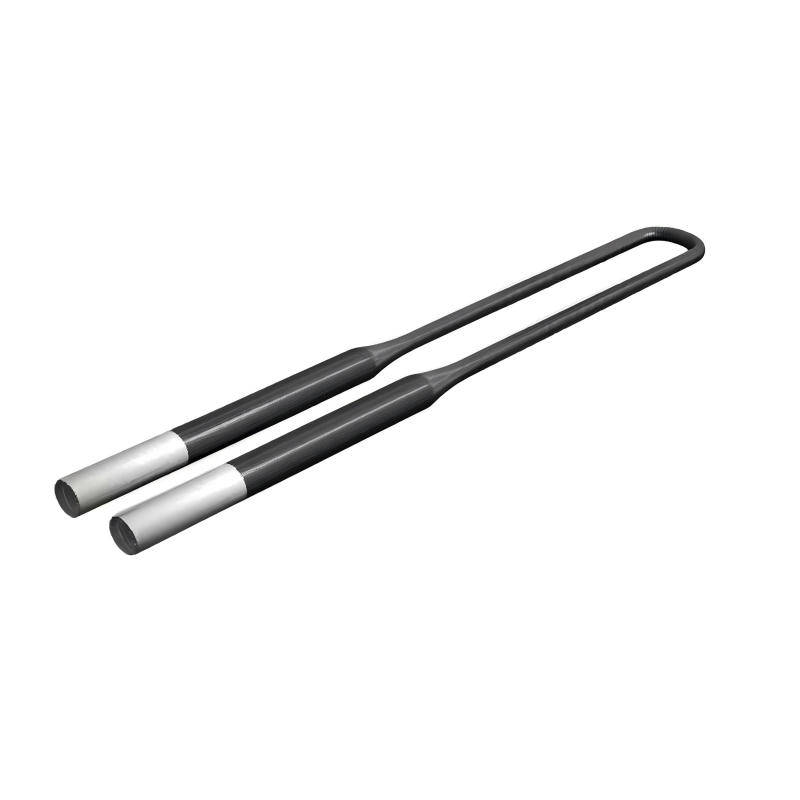
U-Shaped Silicon Carbide Heater
Features: Single-side electrical connection/Space-saving design/Convenient maintenance
Applications: Tube furnaces/Vertical furnaces/Special furnace structures
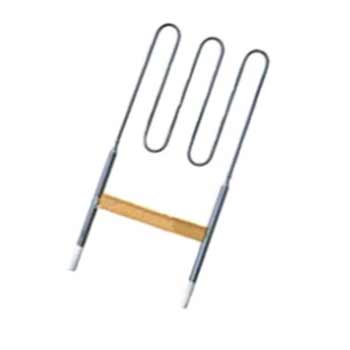
W-Shaped SiC Heating Elements
Features: High power density/Uniform heat distribution/Suitable for large industrial furnaces
Applications: Glass manufacturing/Semiconductor production/Continuous furnaces
DB Type Industrial Heating Elements
Features: Thickened cold ends/Lower terminal temperature/Improved operational stability/Extended service life
IV.Differences Between SiC Heating Elements and Silicon Molybdenum Heating Elements
For industrial furnaces operating below 1500°C, high temperature SiC resistance heating elements are usually the preferred solution because of their excellent cost-performance ratio and thermal shock resistance.
For ultra-high-temperature applications exceeding 1600°C, silicon molybdenum heating elements may be more suitable.
|
|
Silicon carbide rod
|
Silicon-molybdenum rod
|
|
Working temperature
|
1200 - 1550℃
|
1300 - 1800℃
|
|
Furnace temperature setting
|
Around 1600℃ Hurry up!
|
Above 1800℃ Hurry up!
|
|
Heating rate
|
Excellent
|
Good
|
|
Thermal shock resistance performance Service life
|
Longer Lower
|
Longer
|
|
Procurement cost
|
Low
|
Higher Low
|
|
Maintenance cost Value for money
|
High
|
Higher temperatures are better.
|
|
Working temperature
|
Silicon carbide rod
|
Silicon-molybdenum rod
|
|
Furnace temperature setting
|
1200 - 1550℃
|
1300 - 1800℃
|
V. How to Select the Right SiC Heating Elements
Key factors include:
Furnace Size
Calculate total required power according to furnace dimensions.
Working Temperature
Different temperatures require different surface loading designs.
Installation Method
- Horizontal installation
- Vertical installation
- Top-mounted installation
- Side-wall installation
Electrical Requirements
- Single-phase power
- Three-phase power
- Voltage specifications
- Transformer configuration
Furnace Atmosphere
- Air
- Nitrogen
- Argon
- Hydrogen
- Vacuum
Professional selection based on actual operating conditions is recommended.
VI. Factors Affecting the Service Life of Silicon Carbide Heating Elements
The main concerns of many customers are:
"Why are some silicon carbide rods usable for several years while others break down after just a few months?"
The main reasons include:
- Excessive working temperature
Long-term operation at high temperatures will accelerate aging.
- Inappropriate surface load design
Excessive power can lead to local overheating.
- Large voltage fluctuations
Frequent current surges are likely to cause component damage.
- Inappropriate installation
Uneven force can lead to fracture.
- Atmosphere influence
Strong reducing atmosphere will significantly shorten the lifespan.
- Frequent cold-hot cycles
Although silicon carbide rods have excellent thermal shock resistance, long-term and frequent start-stop operations will still accelerate aging.
VII. Product Applications
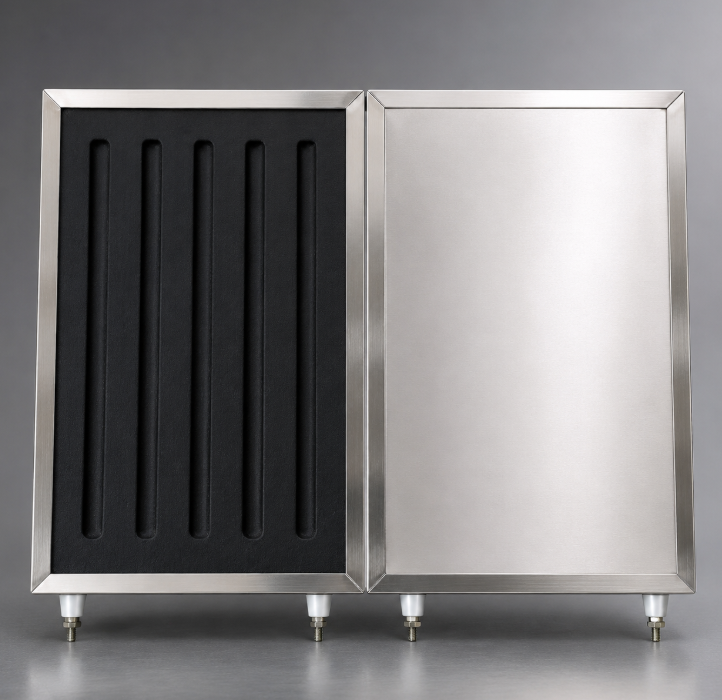
- Ceramics industry
Fusion, insulation and gradual cooling of glass
Surface treatment of glass
Thermal treatment of liquid crystal
Lens processing
Manufacturing of safety glass
Firing of ceramics and glass fibers
Firing of quartz raw materials
Testing of various refractory products
- Metal industry
Powder metallurgy sintering
Aluminum alloy dissolution, melting, insulation, and aging treatment
Gas carburizing hardening of automotive, aircraft and mechanical components
Carburizing, nitriding and annealing of steel parts
Quenching and tempering of various molds and steel wires
Brightening treatment of mold steel
Tempering and welding of machine parts
Carbon and sulfur analysis
- Electronic industry
Firing of ceramic capacitors
Firing of alumina and talc powder
Ignition of piezoelectric components
Firing of substrates
Firing of ceramic resistors, pressure-sensitive resistors, and thermistors
Firing and calcining of ferrite
Refractory heat treatment of carbon steel, iron, optical fibers, optical discs, etc.
- Chemical industry
Firing of fluorescent powders and various pigments
Combustion of catalysts
Heating of active gases
Dry distillation, coking, degreasing
Firing of activated carbon
Furnaces for purification and deodorization
- Muffle furnaces
Material sintering experiments
Metal heat treatment experiments
Firing of ceramic samples
Ash content testing
Chemical analysis
Research on powder materials
Research on new energy materials
- Others
Various high-temperature experimental furnaces
Combustion of gas and kerosene appliances
Local heating
VIII. Procurement Assurance and After-sales Commitment
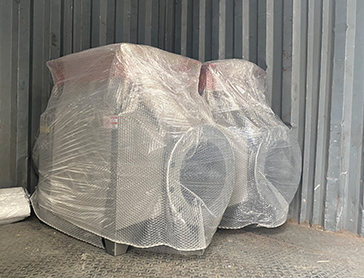
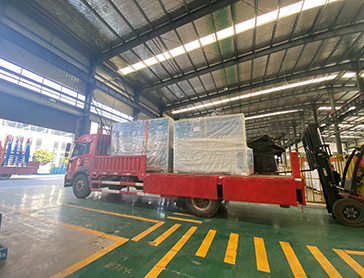
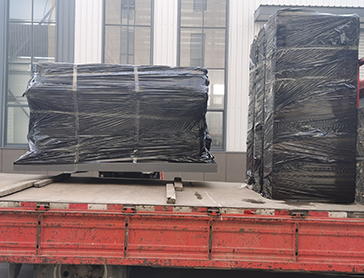
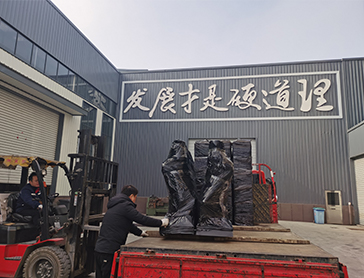
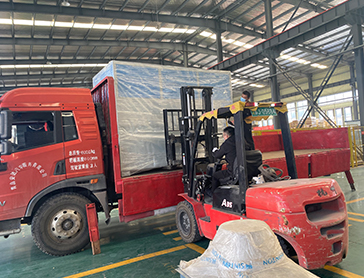
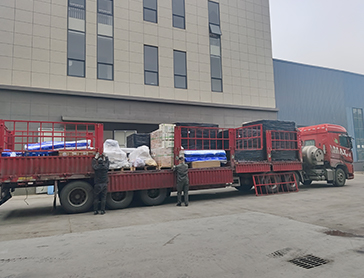
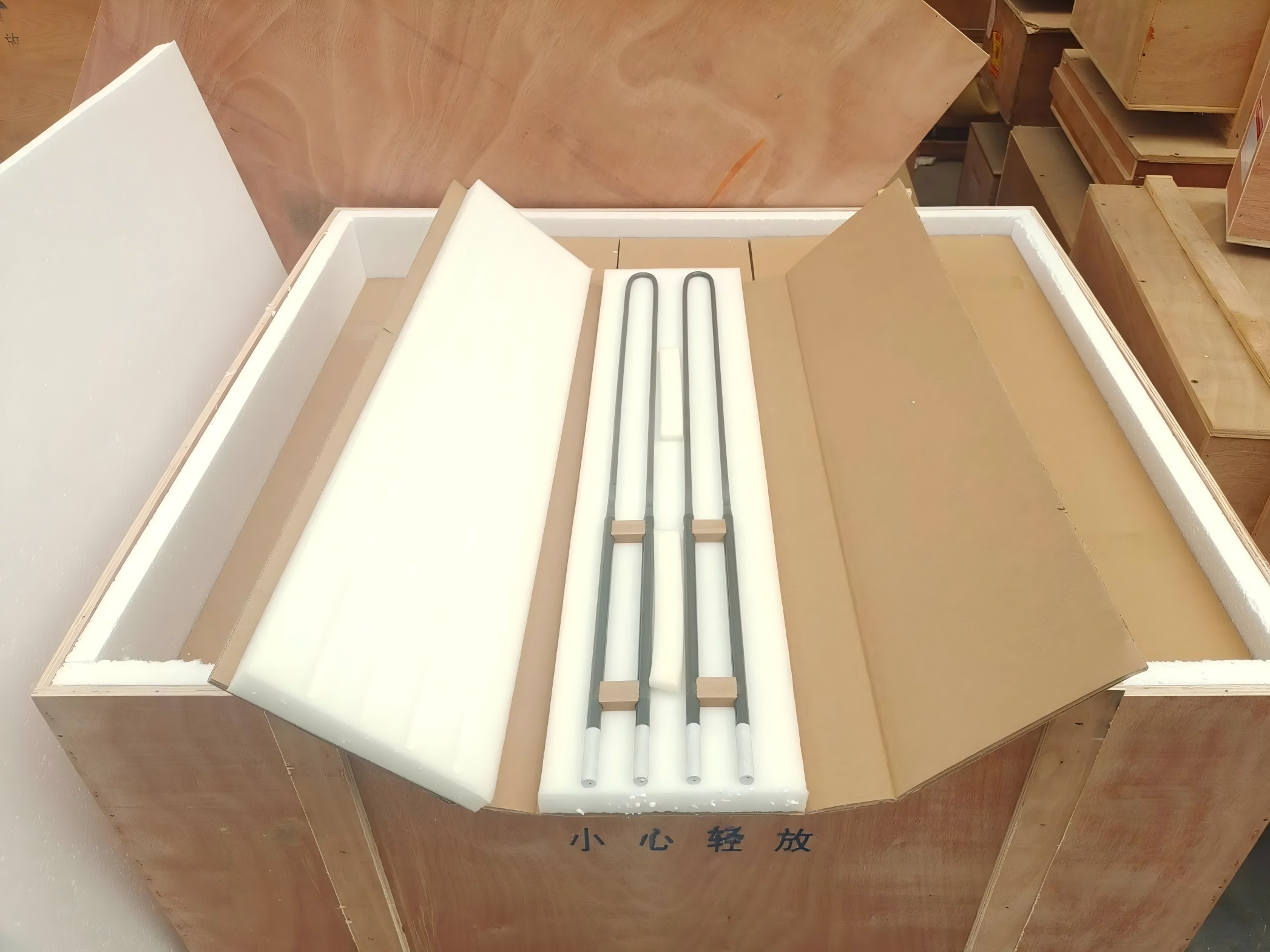
Because silicon carbide heating elements are ceramic products, proper packaging is essential during transportation.
To ensure safe delivery worldwide, Sinton Group provides:
Professional Export Packaging
Each shipment includes:
- Shock-absorbing materials
- Reinforced carton protection
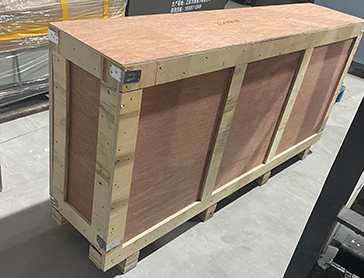
- Optional wooden case packaging
- Export-standard packing solutions
Free Replacement for Transportation Damage
If any SiC heating elements are damaged during transportation, customers only need to provide photos or videos as evidence.
Sinton Group will provide free replacement of the damaged quantity.
Minimum Order Quantity (MOQ)
MOQ: 10 Pieces
Whether you are a furnace manufacturer, laboratory user, distributor, or industrial customer, Sinton Group can provide flexible purchasing solutions, customized designs, and professional technical support worldwide

 English
 русский
 Español